Summary Pakistan’s Foreign Office maintains silence on reported ceasefire framework for Iran conflict as diplomatic efforts continue and Tehran reviews proposals without accepting pressure.
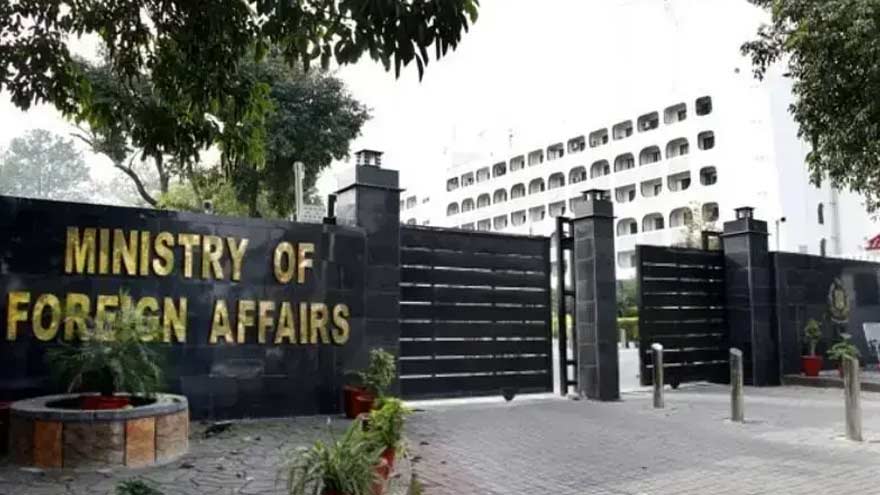
ISLAMABAD (Dunya News) – Pakistan’s Foreign Office has maintained a guarded stance over reports suggesting Islamabad has put forward a framework aimed at ending the ongoing conflict involving the United States, Israel and Iran, reiterating that diplomatic efforts remain underway while refusing to comment on specific proposals.
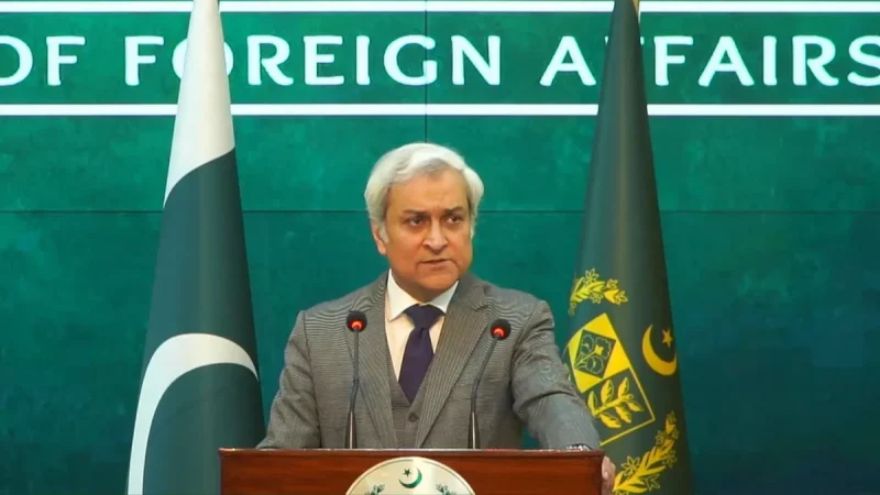
Foreign Office spokesperson Tahir Andrabi said there had been “multiple reports” referencing a possible 45-day ceasefire or a broader 15-point plan, but stressed that Pakistan would not confirm or deny such claims. Speaking to international media, he noted that the peace process was continuing through diplomatic channels without elaborating on the nature of any proposals.
The remarks come amid heightened speculation following international reports that Pakistan had shared a structured framework with Washington and Tehran. According to sources cited in global media, the plan was reportedly circulated as part of backchannel diplomacy, with discussions said to involve regional mediators and major stakeholders.
While Islamabad has not publicly acknowledged the details, its positioning reflects an attempt to balance its diplomatic ties with both the United States and Iran. Officials have consistently emphasised Pakistan’s role as a facilitator, maintaining engagement with all parties while advocating de-escalation.
Iran has confirmed receiving a proposal through intermediaries and is currently reviewing it, according to a senior official quoted in international reports. However, Tehran has made it clear that it will not accept externally imposed timelines or pressure in reaching a decision. The official also indicated that Iran would not agree to reopening the Strait of Hormuz in exchange for what it described as a temporary ceasefire arrangement.
Iran, US receive plan to end hostilities, immediate ceasefire
Separately, Iranian Foreign Ministry spokesperson Esmaeil Baghaei said Tehran had already outlined its demands and conditions through diplomatic channels. He rejected earlier proposals, including reported multi-point frameworks, describing them as excessive and incompatible with Iran’s national interests.
Baghaei also underscored that negotiations could not proceed under threats or ultimatums, warning that such approaches undermine the diplomatic process. He maintained that Iran’s position was rooted in defending its sovereignty and strategic priorities rather than signalling compromise.
The diplomatic manoeuvring comes against the backdrop of escalating hostilities, including reports of overnight strikes across Iranian cities that have resulted in significant casualties. The intensifying conflict has raised alarms globally, particularly due to its potential impact on energy security.
The Strait of Hormuz, a vital route for global oil shipments, remains at the centre of concerns. Any disruption to shipping through the narrow waterway could have far-reaching consequences for international markets, with traders closely monitoring developments as tensions persist.
Pakistan’s involvement in the diplomatic process has also been linked to its offer to host talks. Iran’s Foreign Minister Abbas Araghchi recently clarified that Tehran had not rejected the possibility of engaging in discussions in Islamabad, signalling openness to mediation efforts despite ongoing tensions.
Meanwhile, US President Donald Trump has escalated rhetoric in recent days, publicly urging a swift resolution to the conflict. He has warned of severe consequences if a ceasefire is not reached within a short timeframe, including potential strikes on critical Iranian infrastructure.
In a series of public statements and media interactions, Trump indicated that negotiations were ongoing and expressed optimism about a possible breakthrough. At the same time, his warnings of military escalation have drawn sharp reactions from Tehran, which described such remarks as indicative of hostile intent and a violation of international norms.
The evolving situation continues to place Pakistan in a delicate diplomatic position, as it seeks to support peace efforts without becoming entangled in the conflict. Officials in Islamabad have reiterated their commitment to dialogue and stability, while maintaining a cautious approach to publicly disclosed initiatives.