Summary Mosharraf Zaidi says Pakistan will stand by Saudi Arabia, stressing strong strategic ties, diplomatic engagement with regional powers and measures to maintain fuel stability amid Middle East tensions.
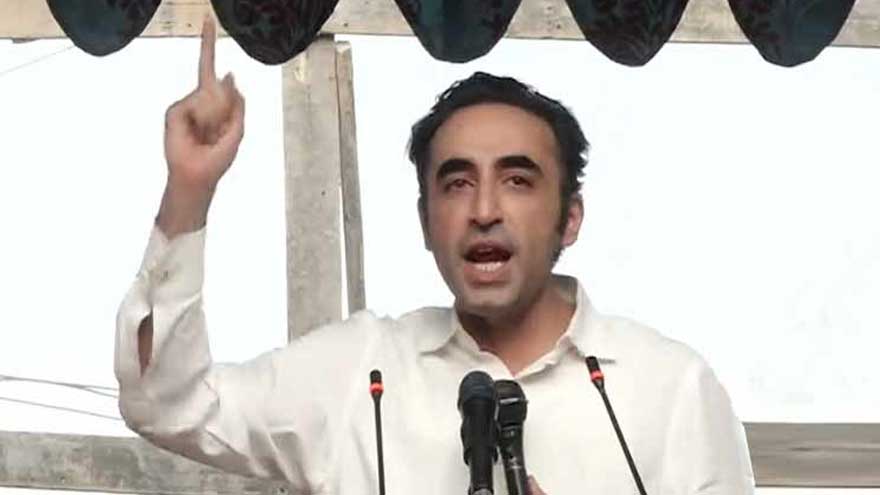
ISLAMABAD (Web Desk) - Prime Minister’s spokesperson for foreign media Mosharraf Zaidi on Wednesday said Pakistan would stand by Saudi Arabia “before it is needed,” reaffirming the strong strategic partnership between the two countries amid rising tensions in the Middle East.
In an interview with foreign TV, Zaidi said there was no question about whether Pakistan would support Saudi Arabia, stressing that both countries have historically followed a principle of mutual assistance whenever required.
His remarks came in the context of the ongoing regional conflict following strikes involving the United States and Israel against Iran. Zaidi said Pakistan’s primary focus was to prevent further escalation that could destabilise the region and affect its partners.
He noted that Pakistan’s Chief of Defence Staff and Chief of Army Staff, Asim Munir, recently visited Saudi Arabia, adding that Islamabad remained in close contact with both Saudi and Iranian leadership. According to him, Pakistan has also maintained engagement with US leadership as part of ongoing diplomatic consultations.
Zaidi said Pakistan appreciated the restraint shown by Saudi Arabia and other Gulf states in avoiding deeper involvement in the conflict despite external pressure. He emphasised that Pakistan supports diplomatic efforts aimed at preventing wider regional confrontation.
When asked about possible military assistance to Saudi Arabia, Zaidi said it would be “speculative and irresponsible” to comment on specific measures, reiterating that both countries are committed to supporting each other whenever necessary.
He added that Saudi Arabia has already taken steps to support Pakistan’s supply chain stability, particularly through oil, diesel and crude supplies. Pakistan and Saudi Arabia share long-standing ties based on military cooperation, economic partnership and shared Islamic heritage.
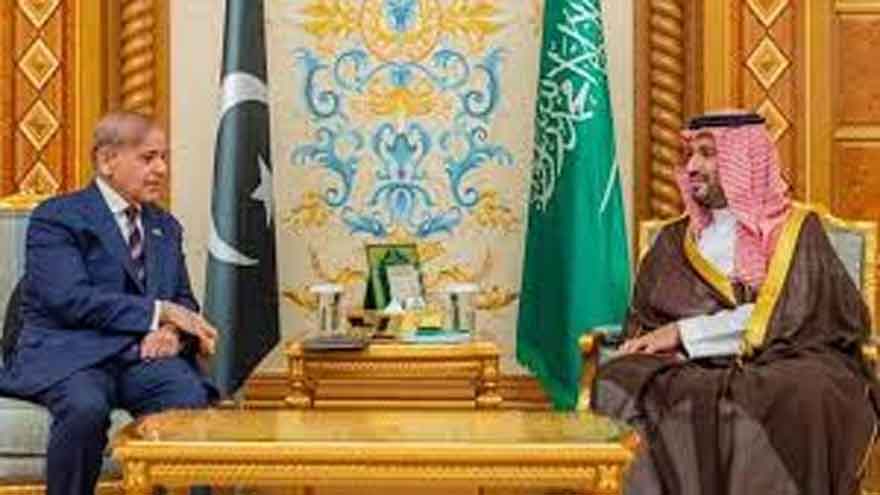
Last year, PM Shehbaz Sharif and Mohammed bin Salman signed a Strategic Mutual Defence Agreement in Riyadh, pledging that an attack on either country would be treated as aggression against both.
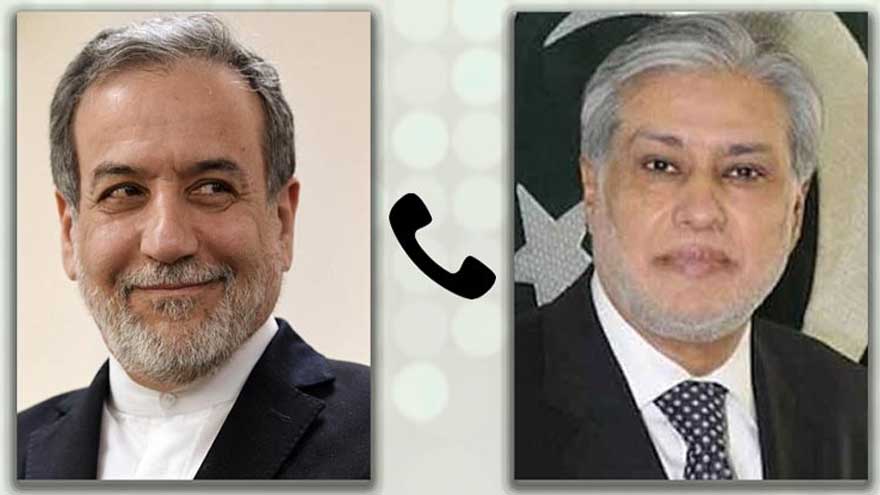
Zaidi also said Pakistan remained engaged with Iran to encourage dialogue and de-escalation. He revealed that several conversations had taken place between Ishaq Dar and Iranian Foreign Minister Abbas Araghchi in recent weeks as part of diplomatic efforts to reduce tensions.
Commenting on the global fuel situation triggered by the Middle East conflict, Zaidi said Pakistan’s fuel supply remained “stable to good”. He noted that the government had taken early measures, including fuel price adjustments and austerity steps such as reduced official vehicle usage and flexible work arrangements, to avoid shortages.
He also clarified that Pakistan was not currently planning to escort ships through the Strait of Hormuz, stating that the Pakistan Navy was primarily focused on safeguarding the country’s own maritime domain.