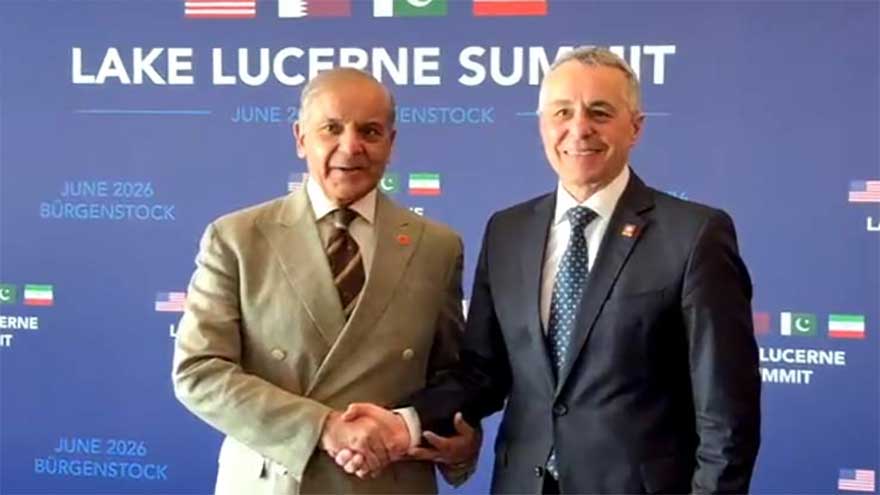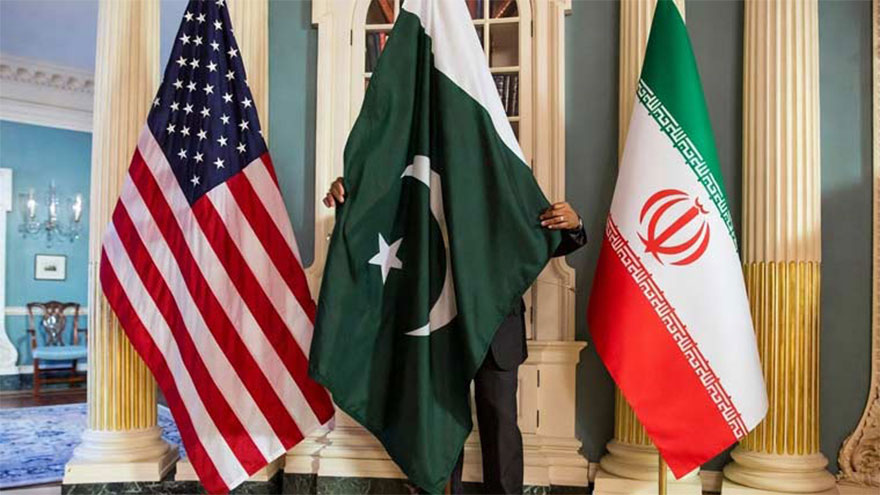
Summary Foreign Office spokesperson Tahir Hussain Andrabi said Pakistan is ready to host negotiations at any time
(Agencies) – Global media outlets have confirmed that Pakistan, Turkey, and Egypt are playing an active role in facilitating talks between the United States and Iran.
According to foreign media, the three countries are working to ease tensions in the Middle East and are actively engaged in efforts to broker an agreement between the two sides.
Speaking to CNN, Foreign Office spokesperson Tahir Hussain Andrabi said Pakistan is ready to host negotiations at any time, provided both parties agree. He emphasized that Pakistan remains committed to promoting diplomatic solutions and reducing regional tensions, though any formal talks depend on the consent of the concerned sides.
The development comes amid conflicting statements from US President Donald Trump and Iranian leadership. Trump recently claimed that talks had taken place and that progress was made on key issues, suggesting a possible avoidance of serious escalation.
However, Iranian officials rejected the claim as “fake news,” insisting no have occurred, although Trump expressed optimism about a potential deal to end the conflict.
Israeli media reports suggest that discussions may be advancing to the point where a high-level meeting between US and Iranian officials could take place in Islamabad later this week.
Iranian sources, cited by Al Jazeera, said that while diplomatic efforts are ongoing, several key issues remain unresolved. These include Iran’s demand that the US acknowledge the conflict as aggression and compensate for damages. Iran has also warned it reserves the right to close the Strait of Hormuz in case of any US military action.
The conflict extends beyond the US and Iran, involving Gulf countries, Israel, and Lebanon’s Hezbollah, making a final agreement more complex and time-consuming.
According to the Financial Times, Pakistan is positioning itself as a central mediator to end the conflict. It reported that Field Marshal Asim Munir held talks with President Trump, while senior Pakistani officials are facilitating backchannel communications between Tehran and key US figures.
Axios also reported that Pakistan, Turkey, and Egypt have been exchanging messages between Washington and Tehran, helping maintain indirect negotiations.
Reuters similarly confirmed that these countries are playing a key role in enabling dialogue between US envoy Steve Witkoff and Iranian Foreign Minister Abbas Araghchi.
Mediation between the US and Iran has typically been facilitated by Oman and Qatar. But regional officials said there had been no momentum behind diplomatic efforts since the US and Israel launched the war two days after a round of talks between the Trump administration and Iranian officials in Geneva.
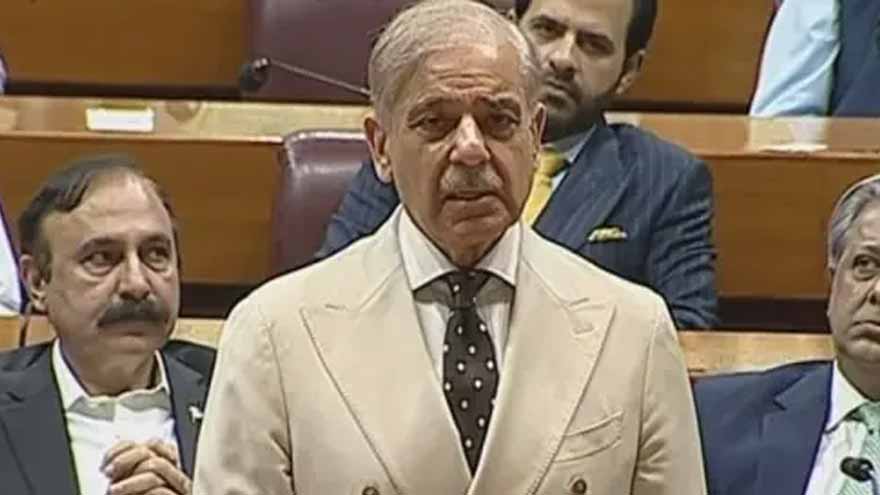
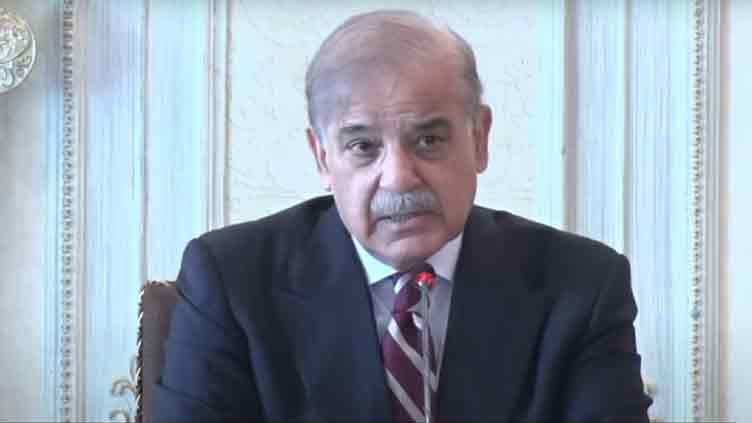
Two people briefed on the matter said senior Pakistani officials were back-channelling communications between Tehran and Witkoff and Jared Kushner, Trump’s son-in-law and envoy. Sharif has spoken to Pezeshkian multiple times since the war started.
“While sharing with the Iranian President the diplomatic outreach efforts of Pakistan’s leadership, the prime minister assured the Iranian leadership that Pakistan would continue to play a constructive role in facilitating peace,” Pakistan said in a readout of their conversation on Monday.
Dar told Arab counterparts at a meeting in Riyadh last week that Islamabad was mediating between the US and Iran, but did not provide details, a diplomat said. The diplomat said Pakistan was leading mediation efforts.
Pakistan, which does not host any American bases, is one of the few US allies in the neighbourhood that has been spared Tehran’s missiles and drones. That fact has helped shore it up as a neutral arbiter to Iran and the US, according to three people familiar with the matter.
Pakistan has the second-largest Shia Muslim population after Iran. It also has close relations with Gulf states, including a mutual defence pact signed last year with Saudi Arabia.
It is also vulnerable to the repercussions of conflict as it depends on the Gulf for oil and gas imports.
Iran’s supreme leader Ayatollah Mojtaba Khamenei namechecked Pakistan in a written message published in Iranian media to mark the start of the Iranian new year last week, saying he had a special feeling towards the people of Pakistan.