Summary On his part, Dr John Ward, Director of the Coalition for Global Hepatitis Elimination.
NEW YORK (Web Desk) - Pakistan highlighted at a strategic diplomatic briefing in New York Prime Minister's Programme for the elimination of Hepatitis-C for which $ 250 million have been allocated in collaboration with the World Health Organization (WHO) in a bid to wipe out the disease as a public health threat by 2030.
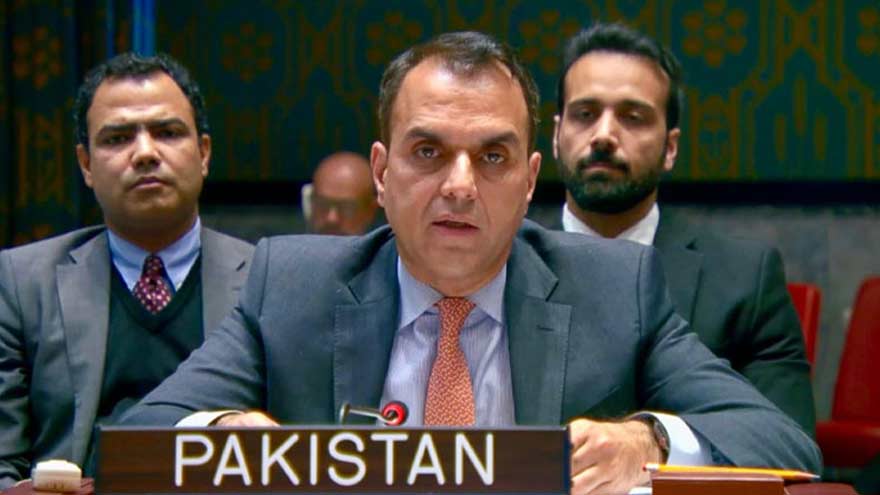
The briefing took place at the Pakistan Mission, which co-hosted it with the Secretariat of the UN Group of Friends to Eliminate Hepatitis. The event was held on the sidelines of the UN High-Level Meeting on HIV/AIDS on the theme of “Advancing Hepatitis Elimination: Building Momentum toward High-Level Political Action.”
In his remarks, Ambassador Usman Jadoon, deputy permanent representative of Pakistan to the UN, said that the Prime Minister's programme envisaged entirely free screening, diagnosis, and treatment.
“To ensure effective oversight and accountability, Prime Minister himself is leading the National Task Force, which oversees the programme's progress and provide strategic direction,” he said.
Ambassador Jadoon further said that the National Task Force comprises of distinguished group of international and national experts, including leading public health experts, clinicians, researchers, and government officials.
On his part, Dr John Ward, Director of the Coalition for Global Hepatitis Elimination, gave a detailed presentation on the current global burden of viral hepatitis, recent political developments, and opportunities for strengthening international action toward elimination.
The event was attended by the Ministry of Health delegates, UN diplomats, and global health leaders to discuss viral hepatitis, one of the world's deadliest chronic infections claiming 1.3 million lives each year.
Participants reviewed the findings of the recently released WHO Global Hepatitis Report and the Ministerial Statement from the 79th World Health Assembly.
While effective tools for prevention, diagnosis, treatment, and cure exist, viral hepatitis continues to receive insufficient political attention and financing relative to its burden, it was pointed out.
The consultation provided a platform for Member States and health officials to exchange perspectives on potential pathways for elevating hepatitis within the broader United Nations agenda, a press release of Pakistan Mission said.
Discussions explored the opportunities and challenges associated with advancing high-level political engagement on viral hepatitis, including the procedural, political, and resource considerations involved in convening a future United Nations High-Level Meeting.