Summary In a statement posted on his Truth Social platform, Trump said the Senate vote came at the wrong time, claiming it would complicate efforts to secure a broader agreement with Iran
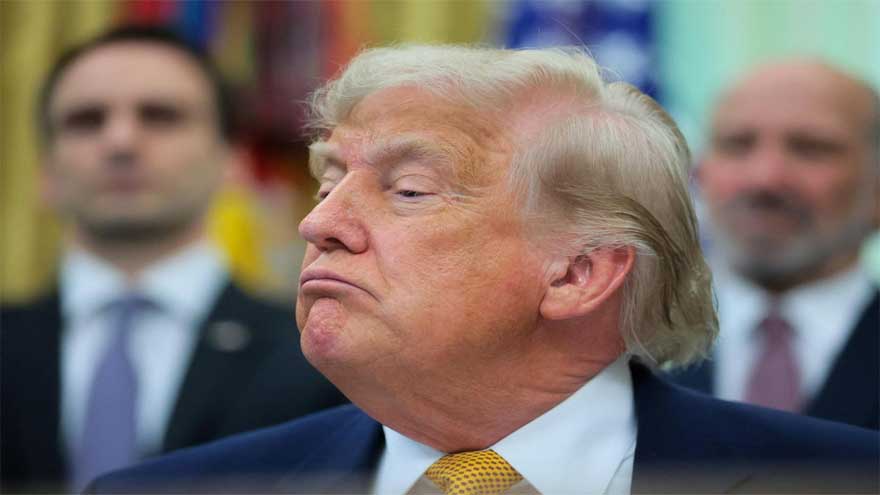
(Web Desk) – US President Donald Trump on Tuesday sharply criticised the Senate's approval of a War Powers resolution calling for an end to military operations against Iran, arguing that the move undermines Washington's negotiating position at a critical stage in diplomatic efforts with Tehran.
In a statement posted on his Truth Social platform, Trump said the Senate vote came at the wrong time, claiming it would complicate efforts to secure a broader agreement with Iran.
"I have Iran on the ropes, ready to go down for the fall, and the US Senate decides to have a poorly timed and meaningless War Powers Act vote," Trump wrote. He accused Republican senators who supported the measure of providing "comfort" to Iran and making his job more difficult.
— Rapid Response 47 (@RapidResponse47) June 24, 2026
The Senate approved the resolution by a 50-48 vote after it had earlier cleared the House of Representatives, reflecting growing unease in Congress over the administration's military campaign against Iran. While the measure is largely symbolic and faces significant legal and political hurdles before it could constrain presidential authority, the vote highlighted bipartisan concerns about the scope and duration of the conflict.
Several lawmakers backing the resolution argued that Congress, not the White House alone, should have the constitutional authority to decide whether the United States remains engaged in a prolonged military confrontation with Iran.
The vote comes as the Trump administration weighs requests for additional funding related to military operations and regional security commitments. Congressional critics have warned that further escalation could draw the United States into a costly and open-ended conflict in the Middle East.
The political debate unfolded as Washington and Tehran continue efforts to transform a fragile ceasefire into a more comprehensive peace arrangement. Earlier this month, the two sides agreed to a 14-point memorandum of understanding aimed at ending hostilities, reopening the Strait of Hormuz to international shipping, and creating a framework for future negotiations, including discussions related to Iran's nuclear programme and regional security issues.
Officials from both countries reported progress during recent talks, although significant differences remain. Iranian leaders have insisted that any future negotiations must respect the country's sovereignty and reject what they describe as excessive American demands. Meanwhile, Trump has maintained that military pressure played a key role in bringing Tehran to the negotiating table and has repeatedly warned that the United States remains prepared to take further action if a permanent settlement is not reached.
Despite the diplomatic progress, analysts caution that the path to a lasting agreement remains uncertain, with both sides still divided over key security issues and the future structure of a comprehensive peace deal.