Summary FCC orders KP CM response over “release force” proposal, citing constitutional concerns, private militia ban, and risks to public order.
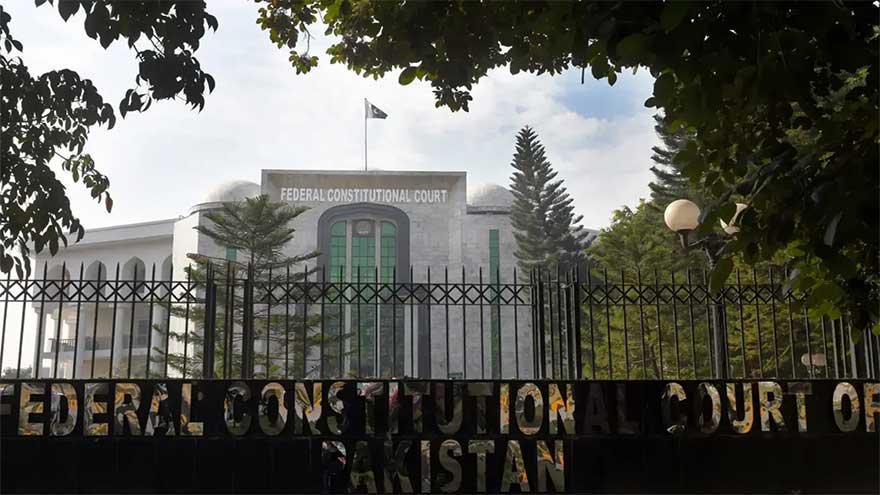
ISLAMABAD (Web Desk) - The Federal Constitutional Court (FCC) has directed Khyber Pakhtunkhwa Chief Minister Sohail Afridi to submit a response within 10 days to a petition challenging the proposed mobilisation of a “release force” for jailed Imran Khan.
A three-judge bench headed by Chief Justice Aminuddin Khan also issued notices to key respondents, including the KP government, Pakistan Tehreek-e-Insaf (PTI), the federal government, and the Election Commission of Pakistan.
The petition, filed by Advocate Ali Nawaz Kharal, argues that the formation or mobilisation of any private force would violate constitutional provisions, particularly Article 256, which prohibits private militias. The plea seeks the court’s intervention to prevent any such move, citing concerns about public safety, law and order, and constitutional compliance.
During the hearing, Justice Ali Baqar Najafi questioned whether the provincial cabinet had approved the formation of the force. The petitioner’s counsel responded that no such approval had been granted.
The court also instructed the federal government to ensure that no laws are violated and that public safety is maintained.
The proposed “release force” was announced by CM Afridi in February after protests aimed at securing a meeting with Imran Khan—currently imprisoned at Adiala Jail since August 5, 2023—failed to achieve results. The idea has sparked debate within PTI, with some leaders expressing concern over its implications, while others favor immediate protest action.
The petition further argues that such a move could create fear and unrest among the public and draws parallels with past militant political wings. It maintains that while freedom of association is protected under Article 17, it is subject to restrictions in the interest of public order and national integrity.