Summary Foreign Policy reports that Pakistan strengthened its diplomatic position in Washington during Trump’s second term through strategic engagement and key partnerships.
ISLAMABAD (Dunya News) – Foreign Policy magazine has released an extensive report outlining how Pakistan achieved one of its strongest diplomatic positions in Washington during President Donald Trump’s second term.
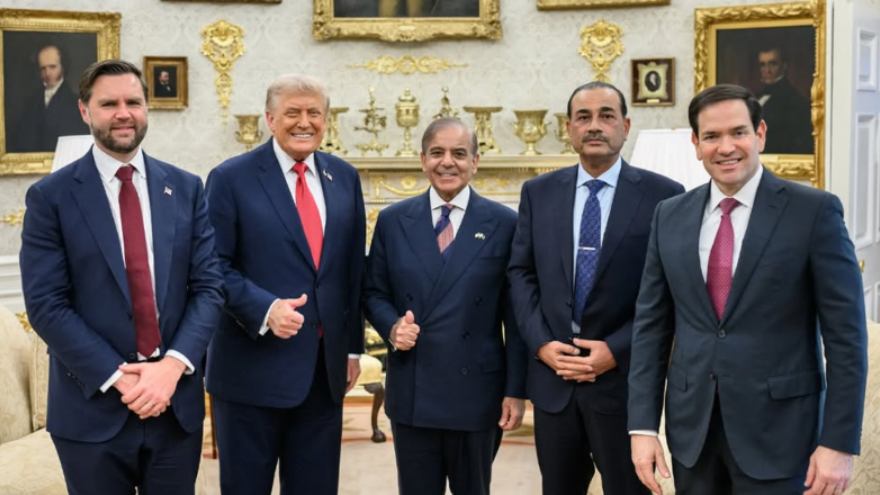
The publication states that Islamabad demonstrated a highly effective diplomatic strategy, resulting in unprecedented proximity with the White House. President Trump is reported to have developed close personal chemistry with Prime Minister Shehbaz Sharif and Chief of Army Staff (COAS) Field Marshal Asim Munir, hosting both multiple times at the White House in what analysts described as an unusual level of access.
According to the report, Pakistan won early goodwill by playing a decisive role in the arrest of the mastermind behind the 2021 Kabul bombing, an operation that significantly bolstered Washington’s trust. Islamabad’s careful mix of praise, relationship-building, and timely cooperation was central to reshaping perceptions within the Trump administration.
Foreign Policy highlights that Pakistan invested heavily in lobbying networks connected to Trump while engaging US policymakers on emerging sectors such as cryptocurrency, critical minerals, and other strategic industries aligned with Trump’s priorities. A major breakthrough emerged in the critical minerals sector, particularly through a $500 million agreement between the Frontier Works Organisation and US Strategic Metals, alongside renewed momentum surrounding the Reko Diq mining project. The report notes that the revival of Reko Diq demonstrated to global markets that Pakistan is a reliable destination for Western investment.
The publication adds that Pakistan advanced a modern and transparent crypto framework, which helped accelerate cooperation with US-based entities, including the Pakistan Crypto Council and World Liberty Financial. Collaboration reportedly widened in areas such as energy, counter-terrorism, and emerging technologies as the two countries explored new pathways for strategic engagement.
The report also states that Trump’s stance towards India cooled during this period due to disagreements over tariffs, New Delhi’s discounted purchases of Russian oil, and tensions in recent India–Pakistan crises. Pakistan publicly credited President Trump with mediating the May cease-fire, a claim India denied, yet the episode contributed to Pakistan’s strengthened standing in Washington. The US approach, Foreign Policy notes, became warmer towards Pakistan and noticeably cooler towards India.
The magazine emphasises that Islamabad made it clear to Washington that its relationship with the US should stand on its own merit rather than being viewed through the lens of China, India, or Afghanistan. President Trump reportedly considered Pakistan a cornerstone of his Middle East strategy, particularly in efforts to stabilise the wider region.
Looking ahead, Foreign Policy assesses Pakistan’s future role as pivotal in critical minerals supply chains, regional peace, and global energy stability. The tone of US engagement toward Pakistan is said to be softening, accompanied by growing confidence in Islamabad’s long-term strategic value. Despite this shift, major US military or economic assistance remains unlikely. Nonetheless, the report concludes that Pakistan has strengthened its position in Washington through leadership, vision, and an effective diplomatic playbook.