Summary US and Iran launch fresh attacks across the Gulf, raising fears for regional stability, global energy supplies and the future of diplomacy.
WASHINGTON (Reuters) – The United States and Iran exchanged fresh missile and drone strikes on Sunday, with the conflict expanding across the Gulf and further undermining hopes for the US-Iran interim agreement signed last month.
Iran launched attacks targeting US military facilities in several Gulf states and said it had once again closed the strategically vital Strait of Hormuz. The renewed hostilities have cast serious doubt over the future of the interim agreement, which had aimed to reopen the waterway and pave the way for further negotiations.
The latest attacks marked a significant escalation, with Iran extending its strikes to Qatar, which had been acting as a mediator in ceasefire efforts, while the United Arab Emirates said its air defences intercepted Iranian missiles and drones.
The US military said it launched another wave of strikes against Iranian targets on Sunday evening, with US Central Command stating the operations were intended to reduce Iran's ability to threaten commercial shipping transiting the Strait of Hormuz.
— U.S. Central Command (@CENTCOM) July 12, 2026
US Central Command also said American forces shot down an Iranian cruise missile and a one-way attack drone. Speaking to Reuters, US President Donald Trump said of the latest operations, "We're beating them up."
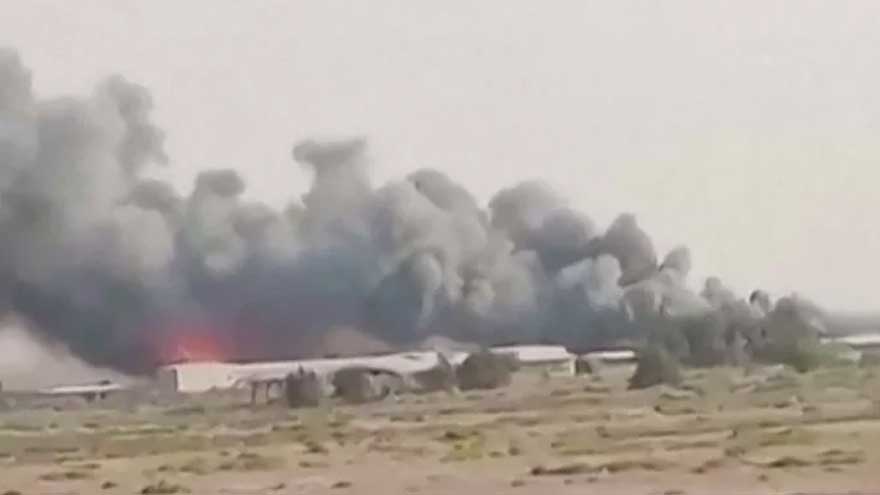
Iranian media reported missile attacks and explosions around the strategic port cities of Sirik and Bandar Abbas, as well as Qeshm Island, all of which host military facilities overlooking the Strait of Hormuz.
Iran's Foreign Ministry condemned what it described as "aggressive" US attacks and accused Washington of preventing progress in talks held in Muscat with Omani officials over arrangements for navigation through the strait.
Iranian negotiator Mohammad Bagher Ghalibaf wrote on social media that "the era of one-sided deals is over," warning that commitments must be honoured.
— محمدباقر قالیباف | MB Ghalibaf (@mb_ghalibaf) July 12, 2026
The conflict, which began after US and Israeli military operations against Iran earlier this year, has sharply increased tensions across the Gulf. Iran's restrictions on shipping through the Strait of Hormuz have pushed global oil prices higher and raised concerns over inflation and energy security.
Iran said it had closed the waterway after firing warning shots at vessels it claimed were using unauthorised routes and later announced that another vessel had also been disabled.
India said one of its nationals was missing following an attack on a container ship off the coast of Oman, while Omani authorities reported rescuing 23 crew members. Qatar advised all commercial and recreational vessels to suspend maritime activities.
Iran's Persian Gulf Strait Authority said passage through the Strait of Hormuz remained suspended due to what it described as recent illegal movements by US military forces and that permits would be issued once stability returned.
The United States rejected Iran's claim that it controlled the strait, insisting commercial traffic remained possible and reaffirming its commitment to protecting freedom of navigation.
US officials said more than 300 Iranian military targets had been struck over the past three nights. Iran's Revolutionary Guards claimed they had retaliated by attacking military installations linked to the United States and its regional allies in Jordan, Kuwait, Oman and Qatar.
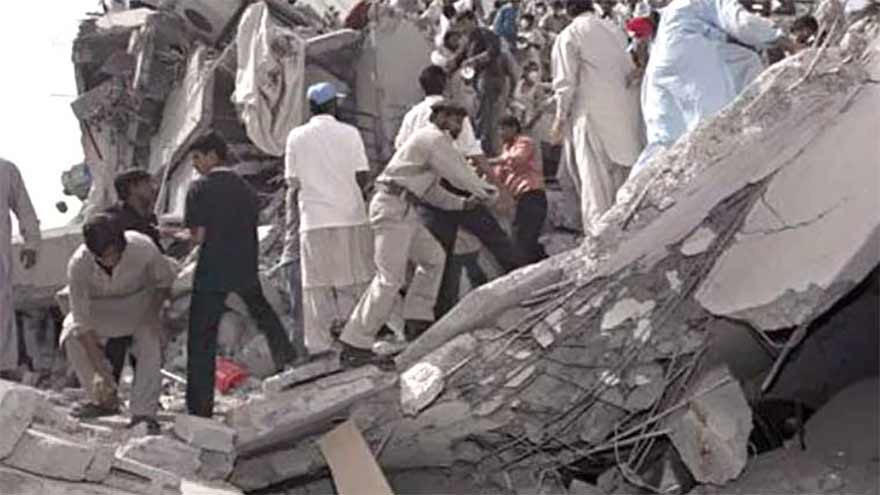
Qatar said three people, including a child, were injured by falling debris from the attacks and held Iran legally responsible. Bahrain, Jordan, the United Arab Emirates, Kuwait and Oman also reported missile or drone threats, interceptions or damage linked to the escalating conflict.