Summary Iran’s Supreme Leader outlines a new regional phase in the Gulf and Strait of Hormuz, signalling strategic shifts after recent tensions.
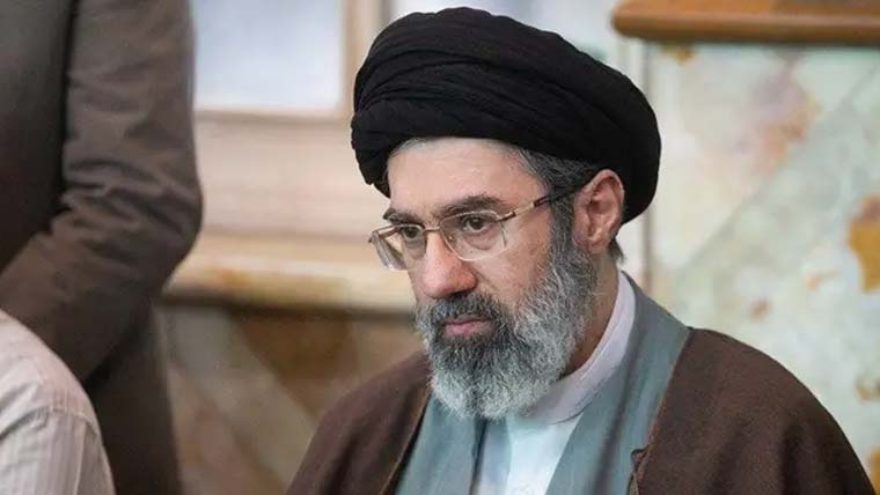
TEHRAN – Iran’s Supreme Leader Ayatollah Mojtaba Khamenei has declared that obstacles created by adversaries in key maritime routes will be removed, signalling what he described as a new phase in the Persian Gulf and the Strait of Hormuz following recent regional developments.
In a statement carried by Iranian media, Khamenei said the situation in the Gulf and surrounding waterways is evolving after the outbreak of conflict on 28 February, with the region entering a period marked by significant political and security changes. He noted that the developments over the past two months have reshaped the strategic environment, ushering in what he termed a “new stage” for the region.
A new chapter for the Persian Gulf and the Strait of Hormuz is unfolding.
— Ayatollah Mojtaba Khamenei (@MKhamenei_ir) April 30, 2026
Today, it has been proven to not only the global public opinion but even to the rulers of countries that the US’s presence and establishment in the Persian Gulf is the main source of instability in the region.
— Ayatollah Mojtaba Khamenei (@MKhamenei_ir) April 30, 2026
Khamenei emphasised that the future of the Persian Gulf would be “bright” without the presence of the United States, adding that Iran and its Gulf neighbours share a common destiny. He reiterated that there is no place for foreign forces in the region, underlining Tehran’s long-standing position against external military involvement.
The US’s flimsy bases lack the resilience and capability even to ensure their own security, let alone provide any hope for US's dependents and the US-worshippers in the region.
— Ayatollah Mojtaba Khamenei (@MKhamenei_ir) April 30, 2026
The brilliant future of the Persian Gulf region will be a future without the US where the progress, comfort, and prosperity of its nations are served.
— Ayatollah Mojtaba Khamenei (@MKhamenei_ir) April 30, 2026
According to the statement, the Supreme Leader described the unfolding situation as a direct result of what he called the failure of US plans in the region. He said this failure has contributed to the emergence of a new reality in both the Persian Gulf and the Strait of Hormuz, one of the world’s most strategically critical waterways for global energy supplies.
We share a “common destiny” with our neighbors surrounding the waters of the Persian Gulf and the Sea of Oman.
— Ayatollah Mojtaba Khamenei (@MKhamenei_ir) April 30, 2026
Khamenei further stated that a “new chapter” is beginning in the Strait of Hormuz, highlighting its enduring geopolitical importance. He described the waterway as a strategic asset that has, for centuries, attracted the attention and ambitions of powerful states. The Gulf, he added, is not only a vital link between nations but also a unique and indispensable corridor for the global economy, connecting through the Strait of Hormuz to the Sea of Oman.
He stressed that the Strait of Hormuz is more than just a maritime passage, calling it a defining element of regional identity and civilisation. The Supreme Leader also characterised the Persian Gulf as a “divine blessing” for Muslim nations, particularly for the people of Iran.
Referencing the legacy of the Islamic Revolution of Iran, Khamenei said it marked a turning point in reducing the influence of what he described as “arrogant powers” in the region.
He pointed out that Iran possesses the longest coastline along the Persian Gulf, reinforcing its strategic and historical connection to the area.
His statement also highlighted the sacrifices made by the Iranian people, stating that they have borne the greatest cost in defending regional independence and resisting foreign intervention. He framed these sacrifices as central to the current shift in the Gulf’s political and security landscape.
The statement comes amid heightened tensions in the region over recent months, with increased scrutiny on maritime security and the stability of global energy routes passing through the Strait of Hormuz.