Summary Iran rejects a temporary ceasefire proposal as Pakistan ‘brokers’ a two-phase peace framework, while Trump sets a deadline to reopen the Strait of Hormuz amid rising tensions.
DUBAI/WASHINGTON (Reuters) – The United States and Iran on Monday weighed a framework plan to end their five-week-old conflict, as Tehran said it wanted a lasting end to the war and pushed back against pressure to swiftly reopen the Strait of Hormuz under a temporary ceasefire.
Iran conveyed its response to the US proposal for ending the war to Pakistan, rejecting a ceasefire and emphasising the necessity of a permanent end to the conflict, the official IRNA news agency said. The Iranian response consisted of 10 clauses, including an end to conflicts in the region, a protocol for safe passage through the Strait of Hormuz, lifting of sanctions, and reconstruction.
A framework to end hostilities has been put together by Pakistan and exchanged with Iran and the United States overnight, a source aware of the proposals said, outlining a two-tier approach with an immediate ceasefire followed by a comprehensive agreement. “All elements need to be agreed today,” the source said, adding the initial understanding would be structured as a memorandum of understanding finalised electronically through Pakistan, the sole communication channel in the talks.
Under the proposal, a ceasefire would take effect immediately, reopening the Strait of Hormuz, with 15-20 days to finalise a broader settlement. The deal, tentatively dubbed the “Islamabad Accord”, would include a regional framework for the strait, with final in-person talks in Islamabad.
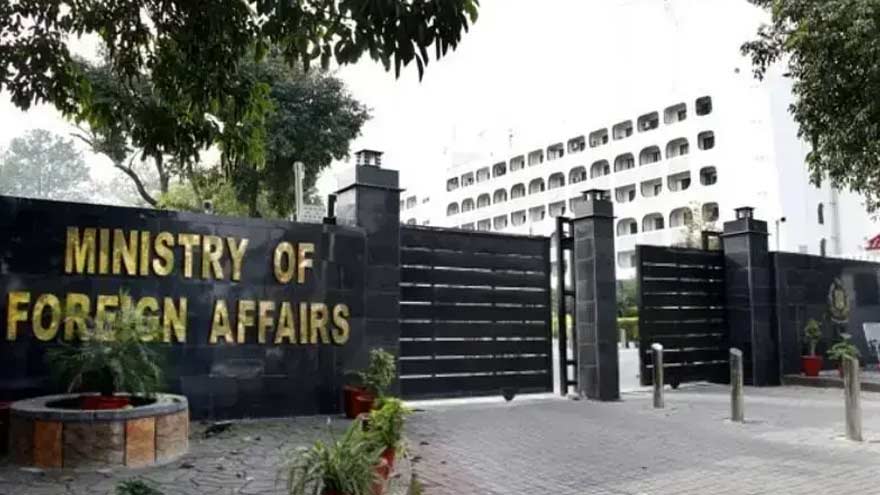
FO keeps silence on reports of Pakistan plan to end Iran war
Axios first reported that the United States, Iran and regional mediators were discussing a potential 45-day ceasefire as part of a two-phase deal that could lead to a permanent end to the war, citing US, Israeli and regional sources.
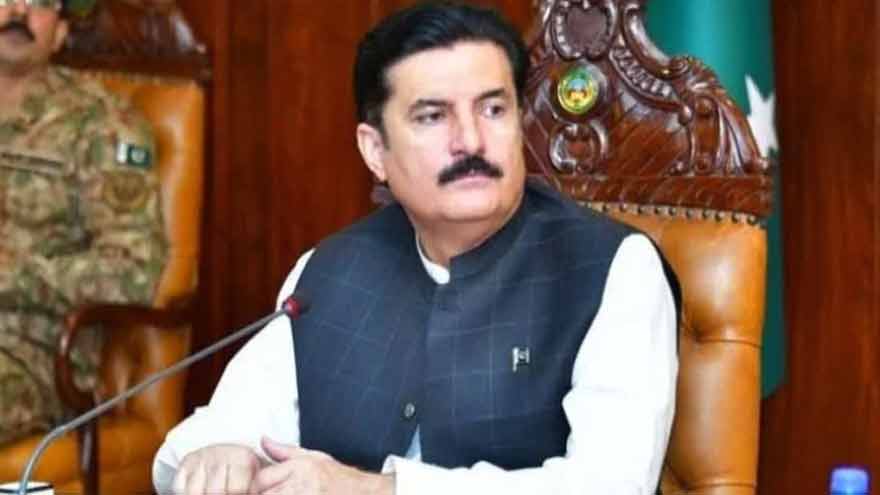
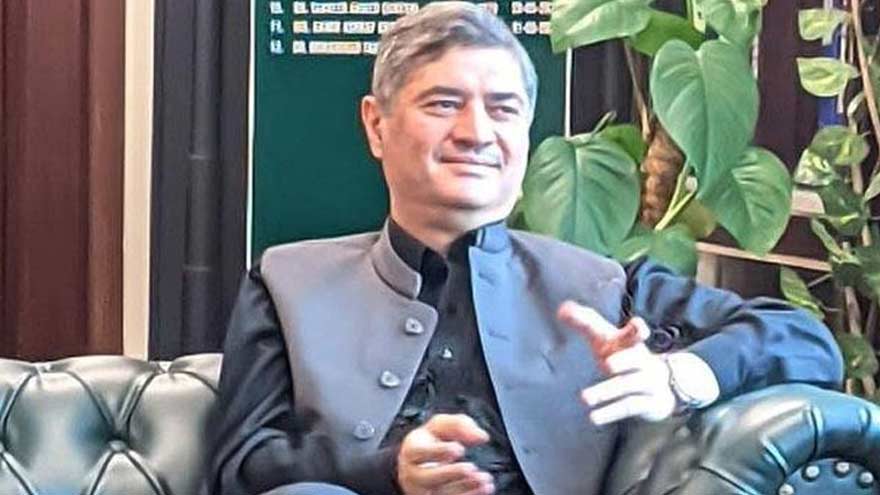
The source said Pakistan’s army chief, Field Marshal Asim Munir, has been in contact “all night long” with US Vice President JD Vance, special envoy Steve Witkoff and Iranian Foreign Minister Abbas Araqchi. There was no immediate response from US and Iranian officials, while Pakistan’s foreign office spokesperson Tahir Andrabi declined comment.
Iranian officials have previously told Reuters that Tehran is seeking a permanent ceasefire with guarantees it will not be attacked again by the United States and Israel. They have said Iran has received messages from mediators including Pakistan, Turkey and Egypt.
The final agreement is expected to include Iranian commitments not to pursue nuclear weapons in exchange for sanctions relief and the release of frozen assets, the source said. However, two Pakistani sources said Iran has yet to commit despite intensified civilian and military outreach.
“Iran has not responded yet,” one source said, adding that proposals backed by Pakistan, China and the United States for a temporary ceasefire have drawn no commitment so far. There was no immediate response from Chinese officials to requests for comment.
The latest diplomatic push comes amid escalating hostilities that have raised concerns over disruption to shipping through the Strait of Hormuz, a critical artery for global oil supplies. US President Donald Trump has in recent days publicly pressed for a rapid end to the conflict, warning he would rain “hell” on Tehran if it did not make a deal by 8 pm EDT (0000 GMT) Tuesday to allow traffic to resume through the vital route.
The conflict has heightened volatility in energy markets, with traders closely watching developments that could affect flows through the strait.