Summary US President Donald Trump has threatened to obliterate Iran's energy plants if it does not agree to a peace deal and open the Strait of Hormuz
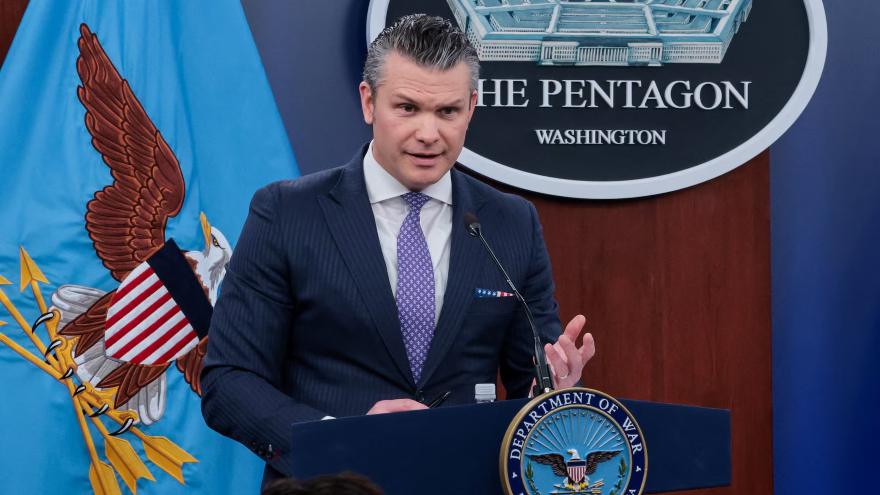
WASHINGTON/JERUSALEM (Reuters) – US Defence Secretary Pete Hegseth said on Tuesday the next few days in the war against Iran would be decisive and warned Tehran that the conflict would intensify if it did not make a deal.
Iran's Revolutionary Guards hit back with a new threat, saying that they will target US companies in the region in retaliation for attacks on Iran from Wednesday, listing 18 groups including Microsoft, Google, Apple, Intel, IBM, Tesla and Boeing.
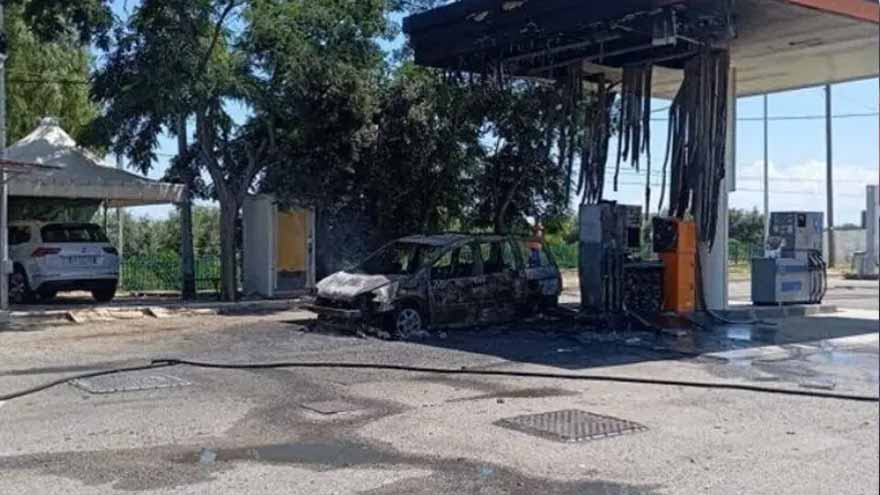
Iran earlier set ablaze a fully loaded oil tanker off Dubai, its latest attack on merchant vessels in the Gulf or in the Strait of Hormuz since the United States and Israel attacked Iran on February 28.
US President Donald Trump threatened on Monday to obliterate Iran's energy plants if it does not agree to a peace deal and open the strait, a vital waterway for global oil shipments that has effectively been blocked by Iran.
HEGSETH SAYS TRUMP WILLING TO MAKE DEAL
On Tuesday, Trump criticised countries that have not helped in the war, including France and Britain, saying they should find "some delayed courage" to take the strait and get their own oil. Sources told Reuters France had not allowed its airspace to be used to transport US weapons for use in the war.
Hegseth, who said he visited US troops in the Middle East on Saturday, said Trump was willing to make a deal and talks were ongoing and gaining strength, but that the US was prepared to continue the war if Iran did not comply.
"We have more and more options, and they have less ... in only one month we set the terms, the upcoming days will be decisive," Hegseth said in Washington. "Iran knows that, and there's almost nothing they can militarily do about it."
The month-long conflict has spread across the region, killing thousands, disrupting energy supplies and threatening to send the global economy into a tailspin.
OIL PRICES HEAD FOR RECORD MONTHLY GAIN
Crude oil prices briefly spiked again after the attack on the tanker, which can carry around 2 million barrels of oil worth more than $200 million at current prices.
Higher oil and fuel prices have also started to weigh on US household finances and are a political headache for Trump and his Republican Party before November midterm elections.
The US national average retail price of gasoline crossed $4 a gallon for the first time in over three years on Monday, data from price-tracking service GasBuddy showed. Tight global supplies pushed Brent crude futures up 4.7% to more than $118 per barrel, on course for a record monthly gain.
Authorities in Dubai said the fire on the Kuwait-flagged Al-Salmi had been brought under control following a drone attack, with no oil leak and no injuries to the crew. Kuwait Petroleum Corp, the ship's owner, said the vessel's hull was damaged, and photos of the Al-Salmi confirmed this.
LSEG data showed the vessel was heading to Qingdao in China, and was carrying 1.2 million barrels of Saudi crude oil and 800,000 barrels of Kuwaiti crude, according to monitoring service TankerTrackers.com.
The Al-Salmi may not have been the intended target. Iran's Revolutionary Guards said they had targeted a container ship in the Gulf over its ties with Israel. But they appeared to be referring to the Singapore-flagged Haiphong Express, which was anchored next to the Al-Salmi, according to shipping data.
INTERNATIONAL ATTEMPTS AT MEDIATION
US General Dan Caine, chairman of the Joint Chiefs of Staff, told reporters in Washington that the US was continuing to degrade and destroy Iran's capabilities.
He said the US military was continuing to strike key manufacturing and research sites and had taken out over 150 Iranian naval vessels. Hegseth said US strikes were causing widespread desertions in Iran.
Thousands of soldiers from the US Army's elite 82nd Airborne Division have started arriving in the Middle East, two US officials told Reuters on Monday, reinforcements that could expand Trump's options to include a ground assault in Iran.
Pakistan, China unveil 5-point initiative to restore peace in Middle East
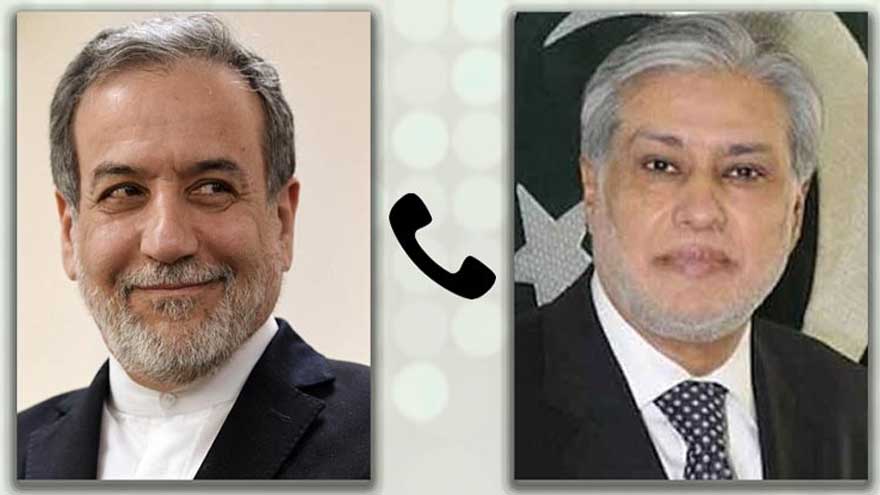
With attacks showing no sign of easing, Pakistan is seeking to mediate in the war. The foreign ministers of China and Pakistan on Tuesday called for an immediate ceasefire, urging peace talks to be held as soon as possible after they met in Beijing.
Iran has remained defiant despite heavy US and Israeli attacks for the past month. It has received US peace proposals via intermediaries, but its foreign ministry spokesperson said on Monday they were "unrealistic, illogical and excessive".
NEW ATTACKS
The war has continued to spread, with Iran-aligned Houthis in Yemen entering the war by firing at Israel, and Turkey reporting on Monday that a ballistic missile launched from Iran had entered Turkish airspace before being shot down.
The war has also revived conflict between Israel and the Iran-backed Lebanese group Hezbollah, while Iran, which has the highest casualty toll in the war, has fired at targets in Gulf Arab states, where the US has military bases.
A strike on a Shia Muslim congregation hall in the northwestern Iranian city of Zanjan killed three people, a provincial official told Iranian media.
The Israeli military said on Tuesday it carried out overnight airstrikes in Tehran targeting a ballistic missile warhead factory, weapons research sites and missile launch systems, under intelligence guidance.
It said four of its soldiers had been killed in southern Lebanon, where three UN peacekeepers from Indonesia have been killed in two separate incidents.