Summary Extends his heartfelt felicitations to the entire Pakistani nation
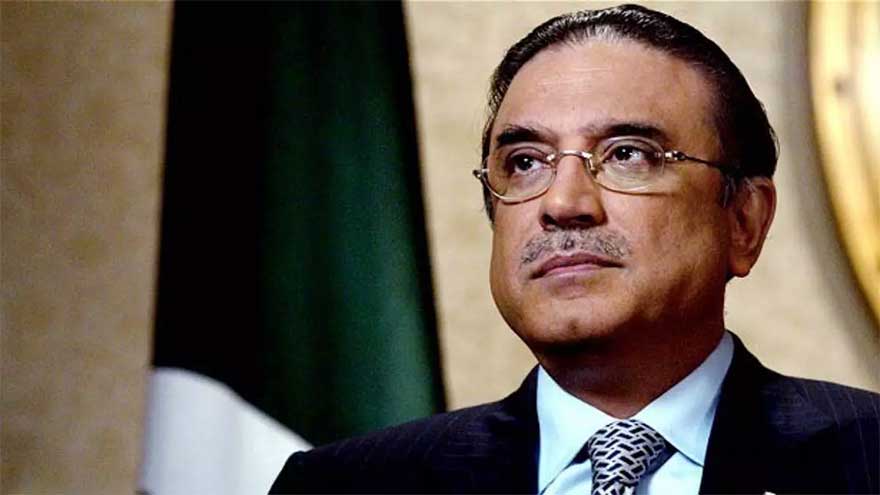
ISLAMABAD (APP) - President Asif Ali Zardari has said that Pakistan Day reminds us that unity and solidarity are the most important elements in transforming national resolve into reality.
Extending his heartfelt felicitations to the entire Pakistani nation on the occasion of Pakistan Day, the president, in his message said that on this very day in 1940, the Muslims of the Subcontinent adopted the Pakistan Resolution and presented the idea of establishing a separate homeland where they could live their lives freely in accordance with Islamic principles.
Today, we pay tribute to our elders whose struggle and sacrifices led to the creation of Pakistan, the President added.
“At the time of Pakistan’s creation in 1947, we faced numerous challenges. History bears witness that through mutual cooperation, hard work and capability, we overcame those difficulties and achieved remarkable success in every field,” he said adding “We established state institutions, made our defence capability impregnable, acquired nuclear deterrence, fought a long and successful unconventional war against terrorism and set shining examples of sacrifice and mutual support during natural disasters.”
During Marka-e-Haq in May last year, we confronted the enemy’s aggression with courage and taught such a lesson that it will remember for a long time.
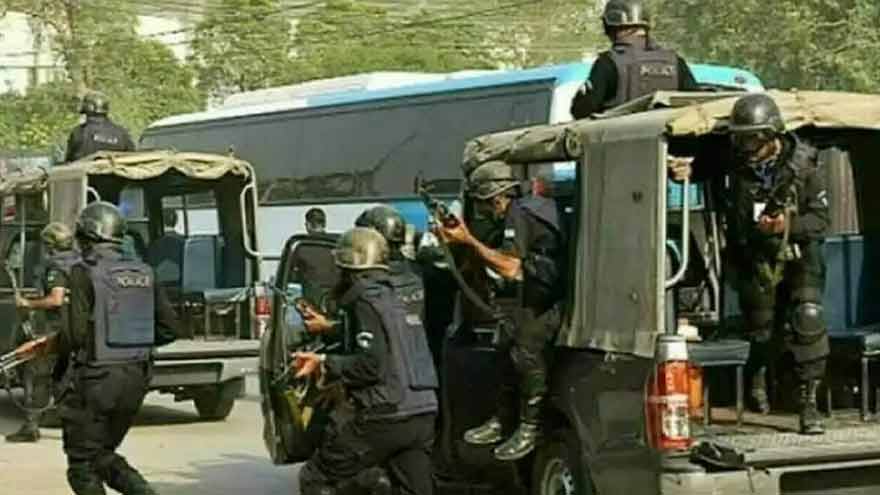
Even today, we face challenges on the internal front and along our external borders, the president added.
“We will also completely eliminate those who sponsor terrorism and those who, through India or its proxy elements, seek to undermine our peace and our efforts for peaceful coexistence, so as to secure our settlements and our borders,” he remarked.
He said in Indian Illegally Occupied Jammu and Kashmir (IIOJK), the open violations of human rights by Indian forces, attempts to alter the demographic composition, patronage of Hindutva and the unjust treatment of minorities in India, particularly Muslims, are proofs that the decision of Quaid-e-Azam and the Muslim leadership to seek a separate homeland was prudent. Kashmir remains the unfinished agenda of the Partition of the Subcontinent.
“We expect the international community to urge India to allow the people of IIOJK to live according to their will and to grant them the right of self-determination in accordance with the resolutions of the United Nations Security Council.”