Summary NIH warns of Congo fever risk during Eid, urges precautions as cases rise and transmission linked to animals and ticks.
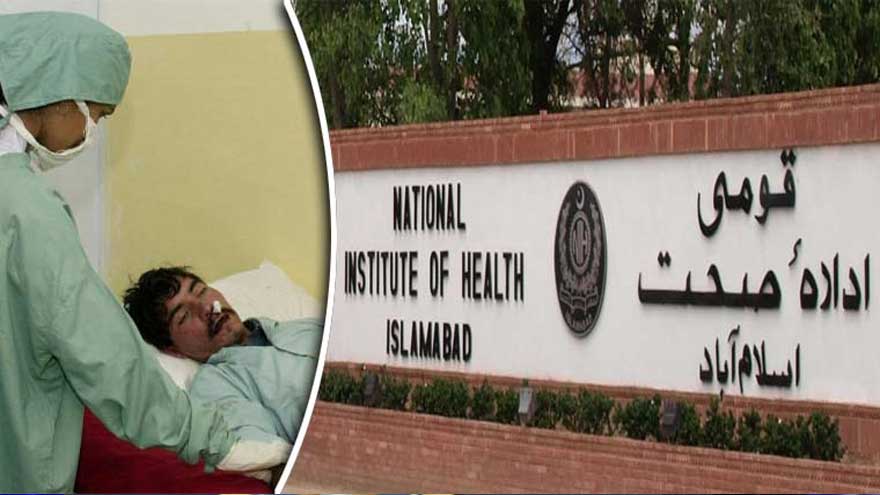
ISLAMABAD (Dunya News) - The National Institute of Health has issued an important advisory regarding Crimean-Congo Hemorrhagic Fever ahead of Eid-ul-Adha, urging immediate preventive measures to curb the risk of the virus.
Health authorities have directed hospitals and relevant institutions to remain on high alert, particularly during Eid when increased movement of sacrificial animals raises the risk of transmission. The disease is caused by a dangerous virus and spreads through tick bites or contact with the blood of infected animals. Human-to-human transmission is also possible through direct contact with infected individuals.
According to the NIH, the first case of Congo fever in Pakistan was reported in 1976. Balochistan remains the most affected province, while Punjab, Sindh, and Khyber Pakhtunkhwa have also reported cases over time.
In 2024, a total of 61 cases were reported with a fatality rate of 15 percent. In 2025, the number rose to 82 cases with 20 deaths recorded. As of March 2026, four cases have already been reported across the country, indicating a continued public health concern.
The NIH has warned that Eid-ul-Adha significantly increases the risk due to animal handling and movement. Citizens have been advised to take precautions such as wearing light-colored clothing, avoiding tick-infested areas, and removing ticks immediately if found.
Additionally, people involved in animal slaughter have been strongly advised to use gloves, avoid direct contact with animal blood, and ensure proper disposal of animal waste to prevent the spread of the virus.