Summary Indians now recognise that the digital space serves as a bridge between Pakistanis and Indians
(Web Desk) - While conflict raged between the powerful militaries of India and Pakistan, a battle was also fought on the cultural front lines despite years of shared love for films and music.
The deadly fighting in early May — the worst in decades — affected artists previously untouched by animosity between their leaders.
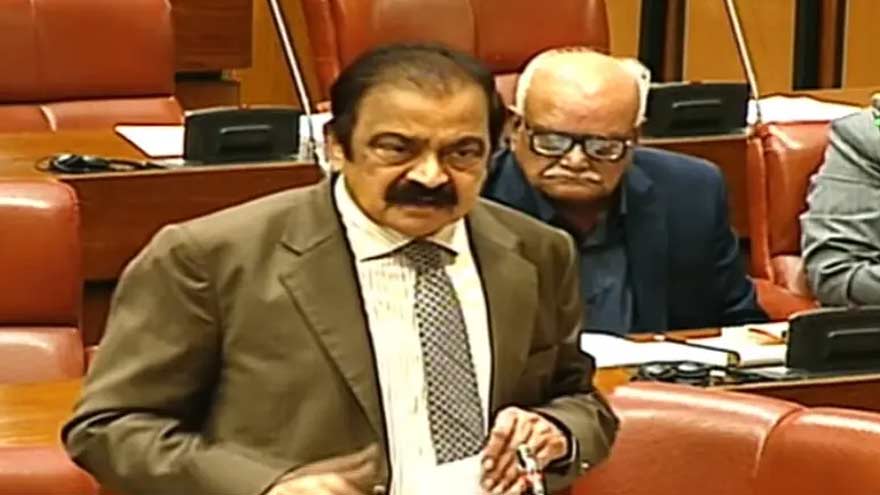
Ali Gul Pir, a Pakistani rapper and comedian with a huge Indian following, released a song years ago mocking Indian Prime Minister Narendra Modi.
While he was spared consequences then, in May, his YouTube channel and Instagram profile were blocked in India.
“Indians now recognize that the digital space serves as a bridge between Pakistanis and Indians, and they seem intent on severing that connection,” Pir told AFP.
“Delhi was my top listening city before the ban,” said Khalid, who has 3.1 million monthly listeners on Spotify.
“I suffered a great loss in the audience” from India, she told AFP.
“Listeners were deprived of content because music was turned into something it is not,” Khalid added.
With Pakistan producing just a handful of movies each year under strict censorship rules, Bollywood has always proven popular among viewers.
“I grew up watching Bollywood. We have the same traumas, we have the same history, we have the same stories,” said Pakistani film critic Sajeer Shaikh.
But this month, Indian star Diljit Dosanjh announced his latest movie, “Sardaar Ji 3,” which features four Pakistani actors, would be released “overseas only,” after New Delhi banned Pakistani content and artists from productions.
“Abir Gulaal,” a love story starring Pakistan’s Fawad Khan and Indian actor Vaani Kapoor, was scheduled to hit Indian cinemas on May 9 but the release was postponed.
Even some in the industry who had previously backed the cross-border artistic trade changed their tune last month.
“Everything should be banned... cricket, films, everything,” said Indian actor Suniel Shetty, who has a big fan following in Pakistan.
He starred in the 2004 movie “Main Hoon Na,” which subtly promotes peace between India and Pakistan.
“It’s something really unfortunate about politics, creating that rift and putting boundaries around art,” said Dua Zahra, assistant manager at Warner Bros South Asia’s music label in Pakistan.
Since Modi took office more than a decade ago, many Indian critics and filmmakers have warned that Bollywood is now increasingly promoting his government’s Hindu nationalist ideology.
While the conflict has created divisions on the cultural scene, there are signs that the trade will endure.
Over a month after the ceasefire, three Indian films were in the top 10 on Netflix Pakistan, while the top 20 trending songs in India included two Pakistani tracks.
Pir, the rapper and comedian, vowed to “bridge gaps.”
“Let’s not make war, let’s just make art,” he said.
“Let’s just not bomb each other.”