Summary Economic Summit 2026 focuses on easing business and driving economic growth
ISLAMABAD (Dunya News) – United Business Group Patron-in-Chief SM Tanveer has called for reserved seats for the business community in Parliament and provincial legislatures, saying greater representation in policymaking is essential to unlock Pakistan's economic potential and significantly increase exports.
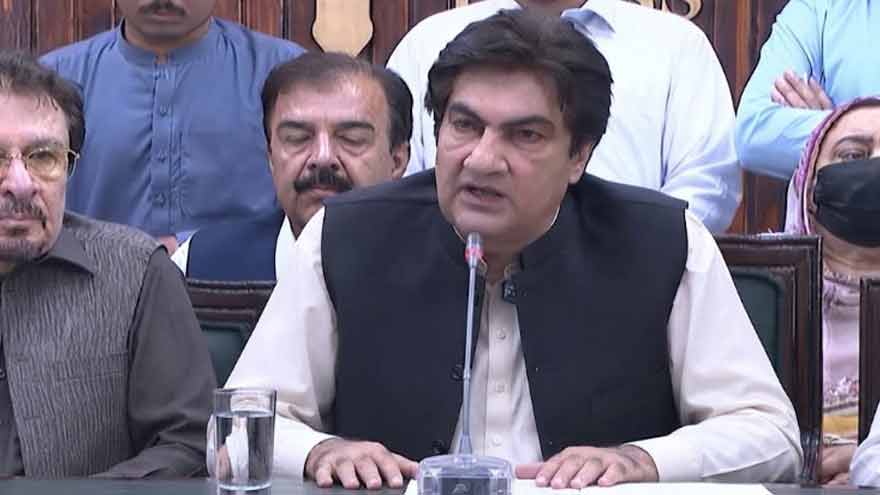
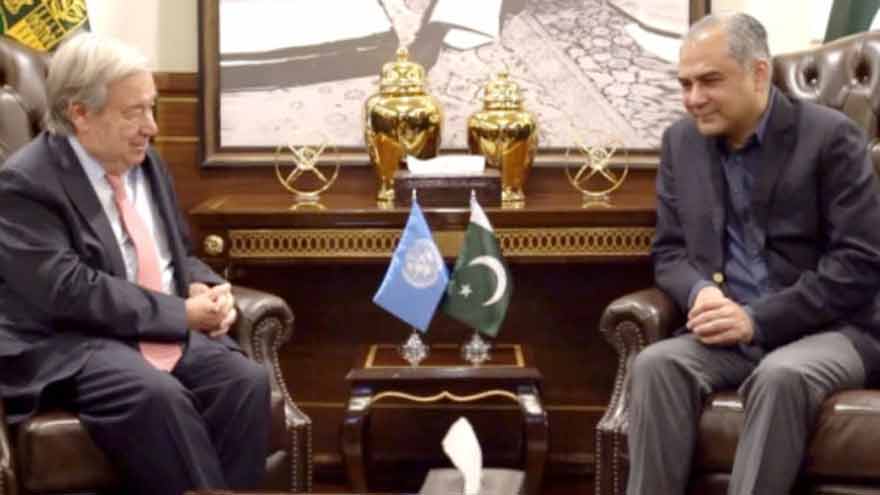
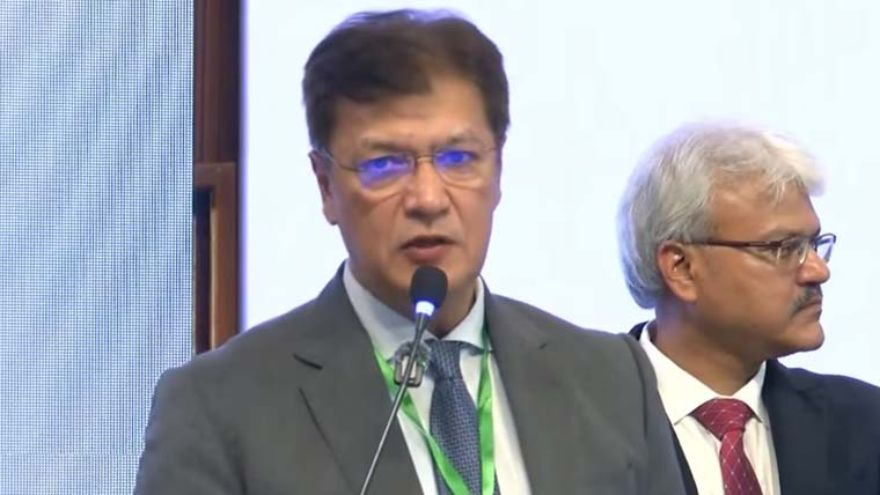
Speaking at the Economic Summit 2026 in Islamabad, attended by Federal Interior Minister Mohsin Naqvi, Dunya Group Chairman Mian Amer Mahmood, former caretaker federal minister Gohar Ejaz and prominent business leaders, Tanveer argued that entrepreneurs should have a direct role in shaping the country's economic policies.
Tanveer proposed constitutional amendments to allocate dedicated seats for business representatives in Pakistan's legislatures. He suggested reserving two Senate seats from each province for the business community, four National Assembly seats from each province, and 10 seats in every provincial assembly.
He said the business community generates employment, contributes around Rs14 trillion in taxes and possesses the practical experience needed to address the country's economic challenges. He urged the government to place greater trust in entrepreneurs and provide them with a stable, business-friendly environment free from unnecessary harassment.
Export potential
Tanveer said Pakistan possesses enormous natural wealth, including minerals, oil reserves, agriculture and the blue economy, yet continues to rely on external financial assistance despite having the resources to become a much stronger economy.
He reiterated his vision of achieving $100 billion in exports through lower business costs, import substitution, inflation control and poverty reduction. He noted that Pakistan's economy is worth around $412 billion, while exports remain close to $30 billion.
Highlighting the country's regional strengths, he said Chiniot produces world-class furniture, Swat has gemstones and tourism, Wazirabad is known for cutlery, Skardu for cherries, marble and tourism, Sheikhupura for basmati rice, Sargodha for oranges, Rahim Yar Khan for mangoes and cotton, Gujranwala for electronics and fans, Sialkot for surgical goods, and Sukkur exports dates.
According to Tanveer, Pakistan's approximately 170 districts could collectively generate $170 billion in exports if each district achieved exports of $1 billion annually.
Policy reforms
Tanveer expressed concern over rising unemployment, an expanding trade deficit, high borrowing levels, elevated financing costs and what he described as a heavy tax burden on industry. He questioned how new industries could emerge under such conditions.
He also argued that Pakistan lacked a dedicated district-level economic management system, saying administrative officials oversee law and order and infrastructure, but no institution is specifically responsible for driving local economic development.
Addressing the summit, Federation of Pakistan Chambers of Commerce and Industry President Atif Ikram Sheikh said the government's recent policies had provided relief to the business community and improved the ease of doing business. He also called for further reforms to strengthen Pakistan's investment climate and support long-term economic growth.