Summary In a statement, Iran's Foreign Ministry said international agreements are based on reciprocal obligations
TEHRAN (Dunya News) - Iran has accused the United States of violating the terms of a memorandum of understanding (MoU) between the two countries, warning that Tehran reserves the right to take all appropriate measures in response.
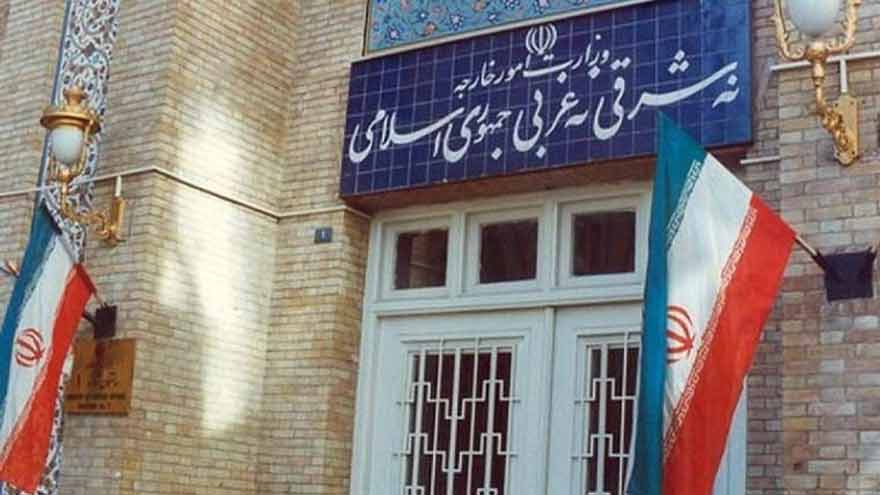
In a statement, Iran's Foreign Ministry said international agreements are based on reciprocal obligations, and if one party fails to fulfil its commitments, the other party has the right to suspend or withhold its own obligations.
The ministry alleged that Washington had breached the terms of the MoU, adding that Iran has all available options to respond.
It said the country's armed forces are "not restrained" and would deliver a strong response to any act of aggression.
Iranian officials said decisions regarding all provisions of the memorandum would be made in light of the current situation to safeguard the country's national interests.
Also Read: Iranian FM Araghchi arrives in Doha to offer condolences on former Qatari emir's passing
The foreign ministry also strongly condemned what it described as US attacks in southern Iran, calling them aggressive, illegal, and a violation of international law.
It warned that such actions could further escalate tensions across the region.
Earlier, Iran's Islamic Revolutionary Guard Corps has threatened to close "all other export corridors that benefit the US and its allies", Iranian media reported, after Iran shut the Strait of Hormuz and the US reimposed a naval blockade of Iranian ports.
"Regional energy exports are either shared by all, or denied to all," the IRGC said in a statement carried by Iran's IRNA state news agency on Wednesday.
Analysts have said Iran has been signalling it may use its Houthi allies in Yemen to shut the Bab el-Mandeb gateway to the Red Sea, opening a new front against Washington and putting two of the world's most vital energy arteries at risk.