Summary Trump says he is not satisfied with Iran’s latest proposal despite renewed mediation efforts and ongoing negotiations to end the conflict.
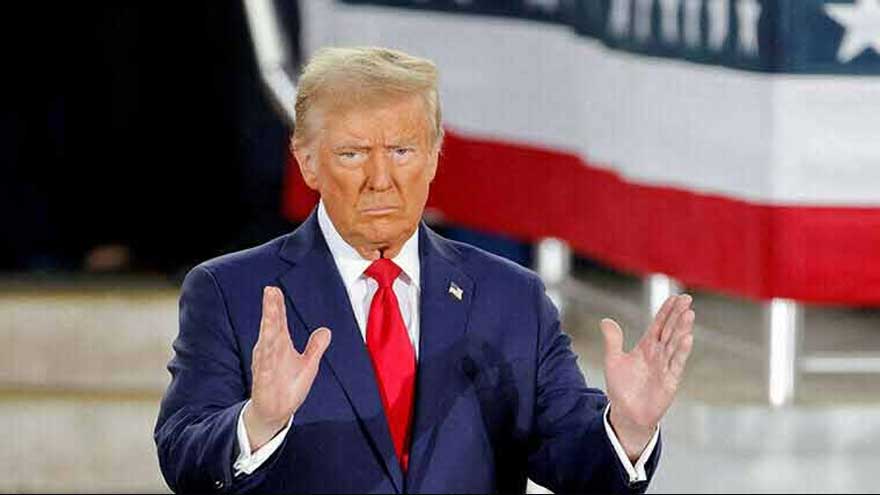
WASHINGTON (Web Desk/Reuters) – President Donald Trump on Friday said he is not satisfied with a new offer from Iran to end a two-month-old war with the United States and Israel.
“Iran wants to make a deal, but I’m not satisfied with it,” Trump told reporters at the White House. “Iran wants to make a deal because they have no military left.”
Asked why he was unsatisfied with Iran’s latest offer, Trump said, “They’re asking for things that I can’t agree to.”
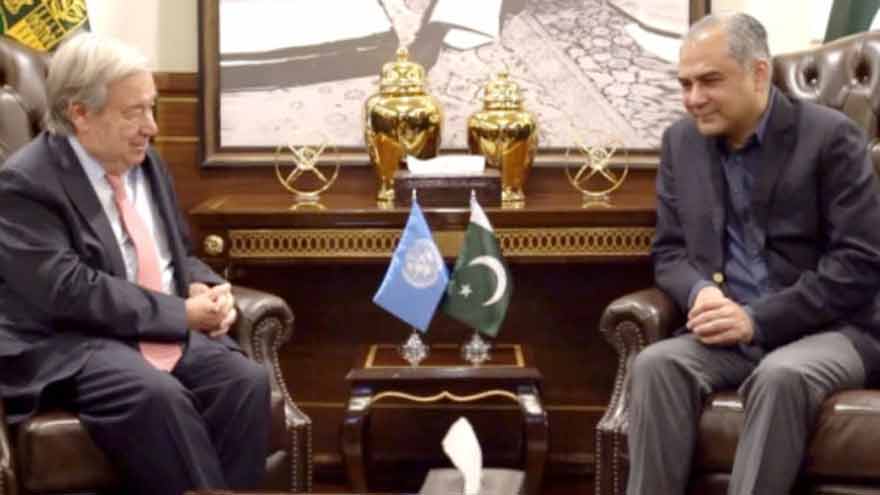
Earlier on Friday, Pakistani officials in Islamabad involved in mediating peace talks between the US and Iran confirmed to Reuters that Tehran had sent an updated proposal, which was forwarded to American officials.
Trump, speaking at the White House, said Iran has “made strides” in negotiations with the US, “but I’m not sure if they ever get there.”
The president said there “is tremendous discord” among Iran’s leadership, complicating the peace process.
“They’re having a tremendous problem getting along with each other,” Trump said. “In Iran, the leadership is very disjointed. It’s got two to three groups, maybe four, and it’s a very disjointed leadership.”
“And with that being said, they all want to make a deal, but they’re all messed up,” he added.
Iran submits new proposal via Pakistan as US war plans and Strait crisis intensify
Tehran has submitted its latest proposal for negotiations with the United States, in a move that could help break a deadlock in efforts to end the war. Global oil prices, which remain above $100 a barrel, eased following news of the proposal.
The closure of the Strait of Hormuz has caused major disruption to energy markets, choking off around 20% of the world’s oil and gas supplies and driving a sharp rise in prices.
The blockade has also heightened fears of an economic downturn. The US Navy is blocking exports of Iranian crude oil, while the US Treasury warned shippers they risk sanctions if they pay tolls to Iran to pass through the strait.
A ceasefire has been in place since April 8, though reports that Trump could be briefed on new military strike options had earlier pushed oil prices to a four-year high.
Iran has activated air defences and is planning a broad response in case of further attacks, according to senior Iranian sources, who said Tehran expects any US strike to be short but intense, possibly followed by Israeli action.
Following US and Israeli airstrikes on February 28, Iran targeted U.S. bases, infrastructure and US-linked companies in Gulf states. The Iran-backed Lebanese group Hezbollah also launched missiles at Israel, prompting retaliatory strikes on Lebanon.
Trump faces a formal US deadline on Friday to end the war or seek congressional approval to extend it under the 1973 War Powers Resolution. However, a senior administration official said hostilities were considered to have ended due to the April ceasefire.
Iranian Foreign Ministry spokesman Esmaeil Baghaei cautioned against expecting quick results from talks, while a senior Revolutionary Guards official warned that any new US attack would trigger “long and painful strikes” on American positions in the region.
Trump reiterated that Iran would not be allowed to develop a nuclear weapon and said fuel prices would “drop like a rock” once the war ends.
Iran maintains that its nuclear programme is for civilian purposes.