


Nuclear weapons: a threat to many, possessed by few
World
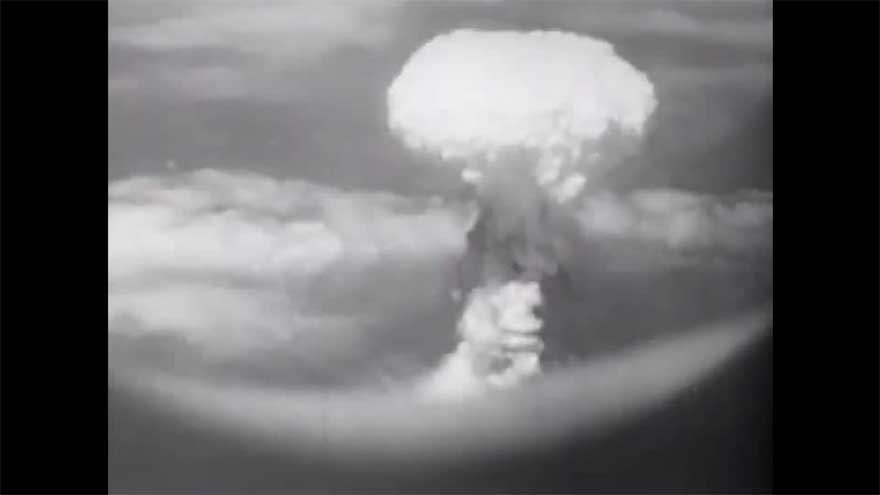
Hiroshima was the first city destroyed in the world’s first nuclear attack on Aug 6, 1945

(Reuters) – The world is marking 80th anniversary of dropping nuclear bombs on Japanese cities Hiroshima and Nagasaki in World War II by the United States.
Hiroshima was the first city destroyed in the world’s first nuclear attack on Aug 6, 1945, at 8:15 am. Between 60,000 and 80,000 people were killed instantly, with the death toll rising to 140,000 by the end of the year as victims succumbed to burns and illnesses caused by acute exposure to radiation.
Following is an outline of what nuclear weapons are, which countries have them and the rules in place to limit the threat they pose.
WHAT THEY ARE
Nuclear weapons are the most powerful bombs on the planet. They work by quickly releasing energy through nuclear fission, the process of splitting atoms, or, in the case of so-called hydrogen bombs, a combination of fission and fusion.
The first and only nuclear weapons to be used in a conflict were those the United States dropped on the Japanese cities of Hiroshima and Nagasaki in August 1945.
Each of the two bombs killed tens of thousands of people through the explosion alone, and then about the same number again through the radiation that was dispersed.
Those first nuclear weapons were relatively small in terms of their explosive yield.
While the first weapons were relatively basic and large, falling to their targets from planes, modern warheads are so small that several can fit on the tip of a missile, and are thousands of times more powerful than the Hiroshima bomb.
WHAT ARE THE 'RULES'?
The Treaty on the Non-Proliferation of Nuclear Weapons (NPT), which took effect in 1970, recognises the five permanent members of the United Nations Security Council (P5) - the United States, Russia, Britain, France and China - as nuclear-weapon states, meaning they are effectively allowed to have atom bombs.
All other parties to the NPT pledge to use nuclear technology only for peaceful purposes, but within that constraint the NPT grants them an inalienable right to conduct nuclear research and produce nuclear energy.
Under the NPT, all parties to it, including the P5, committed to "pursue negotiations in good faith on effective measures relating ... to nuclear disarmament".
WHICH COUNTRIES HAVE THEM?
Four countries other than the P5 have nuclear weapons or are widely believed to.
India first tested a nuclear weapon in 1974, followed by its neighbour and arch-rival Pakistan in 1998. Israel is widely believed to have a nuclear arsenal but does not comment on the issue. None of them signed the NPT.
North Korea is the only country to have been a party to the NPT and gone on to develop nuclear weapons. It announced in 2003 that it was withdrawing from the NPT, then carried out its first nuclear test in 2006.
WHAT NEXT?
Saudi Arabia has said that if its rival Iran acquired nuclear weapons, it would do the same, prompting concerns of a wider arms race in one of the world's most unstable regions.
Iran is currently enriching uranium to up to 60% fissile purity, close to the roughly 90% that is weapons grade. That alarms Western powers, which say there is no civilian justification for such highly enriched uranium (HEU).
Iran says its intentions are entirely peaceful, citing its inalienable right under the NPT.
While Iran would need very little time to produce enough HEU for a nuclear bomb, developing the bomb itself would take longer, and both the IAEA and Western powers say there is currently no indication Iran is doing that.
