Summary “Agricultural productivity and food security will remain protected despite external challenges,” he said while chairing a meeting of the Fertilizer Review Committee.
ISLAMABAD (Web Desk) - Pakistan reviewed the supply of perishable food items and fertilizer stocks on Monday, according to the state media, as the escalating conflict in the Middle East threatens to disrupt shipping routes and energy supplies critical to the country’s trade and agriculture.
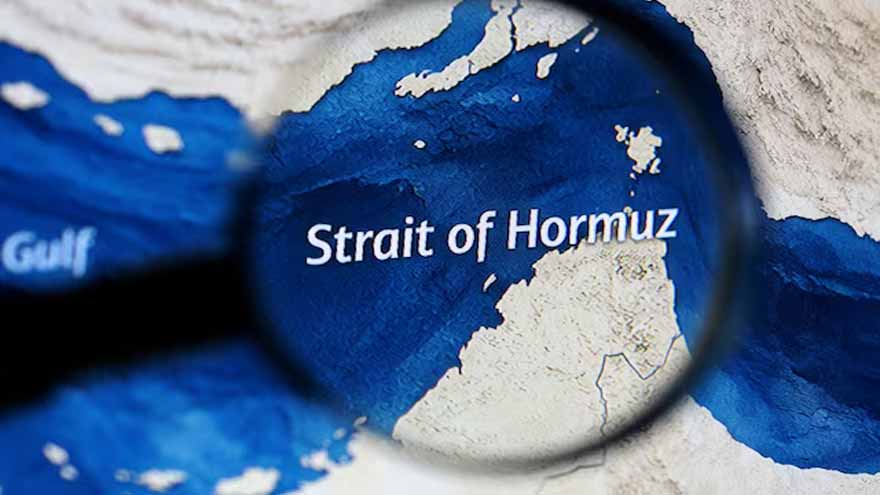
The meetings, chaired separately by Deputy Prime Minister and Foreign Minister Ishaq Dar and Food Security Minister Rana Tanveer Hussain, came as tensions following US-Israeli strikes on Iran have raised concerns about the security of key maritime routes and energy markets that underpin Pakistan’s economy.
Pakistan relies heavily on Middle Eastern sea lanes for both fuel imports and exports of agricultural and food products, making disruptions in the region particularly sensitive for the country.
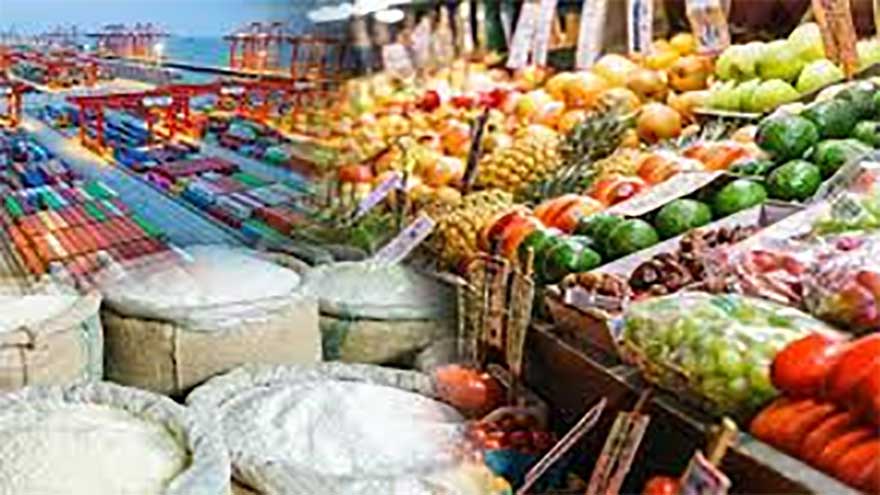
Dar chaired a meeting of the PM’s Committee to review the supply and export of perishable food items, examining steps to maintain domestic availability while ensuring timely exports of surplus produce.
“In the light of evolving regional trade dynamics and disruptions to some traditional routes, the committee explored alternative export pathways, sea routes, and potential new markets,” Radio Pakistan reported after the meeting.
Officials also discussed proposals from exporters and emphasized improving storage facilities, logistics and market access while assessing global demand and pricing trends to support export competitiveness.
In a separate meeting in Islamabad, Food Security Minister Rana Tanveer Hussain said the government would ensure stable fertilizer availability despite regional uncertainties.
“Agricultural productivity and food security will remain protected despite external challenges,” he said while chairing a meeting of the Fertilizer Review Committee.
He stressed the need for close coordination among manufacturers, distributors and provincial authorities to maintain uninterrupted fertilizer supply across the country.
The committee also reviewed fertilizer pricing and distribution mechanisms to prevent artificial shortages and hoarding, officials said, adding that authorities would monitor prices closely to ensure farmers have access to affordable inputs.