Summary Pakistan was now better positioned to seek such investment due to early signs of macroeconomic stabilization after a prolonged crisis.
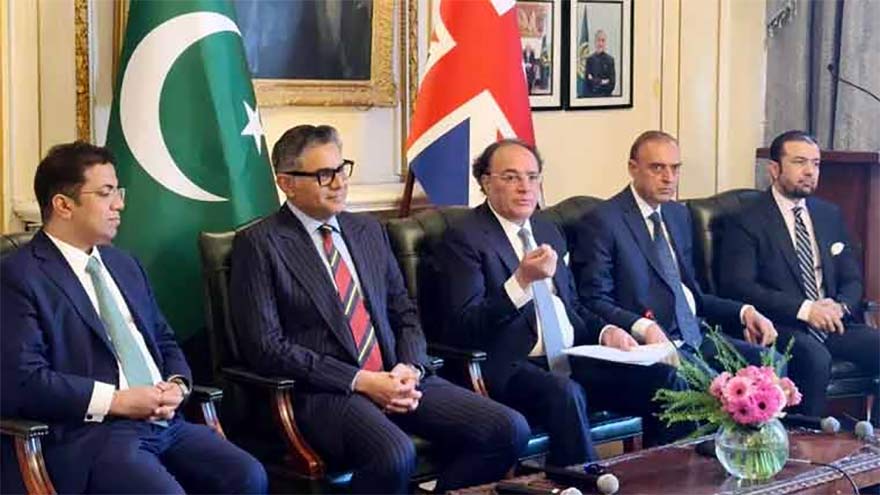
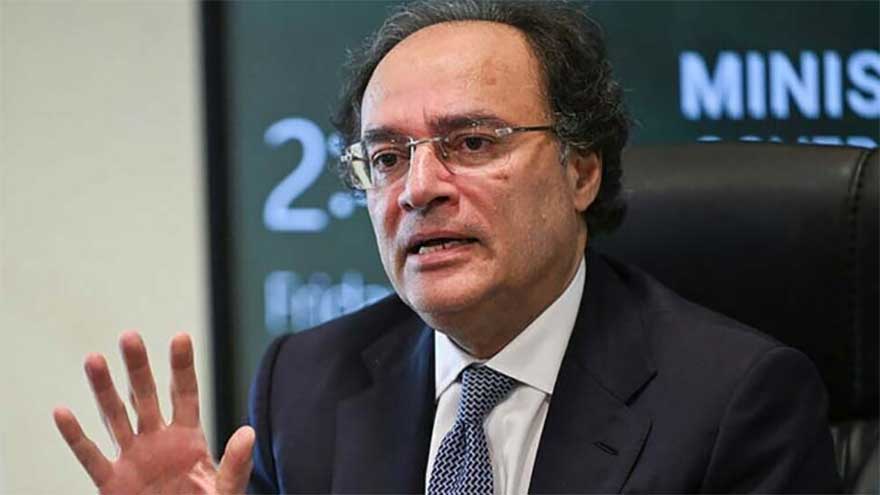
ISLAMABAD )Web Desk) Finance Minister Muhammad Aurangzeb said on Wednesday Saudi Arabia’s previously signaled $10 billion investment appetite for the country remained unchanged, with Islamabad now preparing “bankable” private-sector projects as both sides move away from crisis financing and toward long-term, business-to-business (B2B) economic engagement.
Pakistan and Saudi Arabia signed a Strategic Defence Pact in September, while economic discussions have advanced in parallel under an evolving Saudi–Pakistan Economic Cooperation Framework announced last month.
For decades, Riyadh has supported Islamabad primarily through central bank deposits and deferred oil facilities, but Crown Prince Mohammed bin Salman last year conveyed a shift toward equity-based, commercially viable investments, setting the $10 billion benchmark.
In an interview to Arab News, Aurangzeb said Pakistan was now better positioned to seek such investment due to early signs of macroeconomic stabilization after a prolonged crisis.
Inflation, which hit a historic peak of nearly 38 percent in May 2023, has since eased considerably, the rupee has stabilized and foreign exchange reserves have recovered following strict fiscal and monetary tightening.
International rating agencies, including Fitch and Moody’s, have also revised Pakistan’s outlook upward after years of downgrades, citing improved external liquidity and more disciplined policy implementation.
Pakistan is midway through a $7 billion IMF program approved in September 2024, with the Fund’s second review completed and a board decision expected in early December, developments that signal to investors that macroeconomic risks are gradually receding.
These improvements, Aurangzeb said, had strengthened Pakistan’s credibility at a time when it was seeking to convert geopolitical goodwill — from Saudi Arabia, China, the United States and GCC partners — into long-term foreign direct investment.
The government now wanted the private sector to lead the next phase of economic engagement while it focused on creating a transparent, predictable investment environment.
“From Saudi Arabia’s perspective, they are ready, willing and able. Now, in some sense, the ball is in our court to come up with investable, bankable projects,” the finance minister said.