Summary It said FCA has led to a significant increase in revenue collection
ISLAMABAD (APP) - The Federal Board of Revenue (FBR) on Monday rebutted a news item in a leading newspaper alleging a revenue loss of Rs100 billion due to the launch of the Faceless Customs Assessment (FCA).
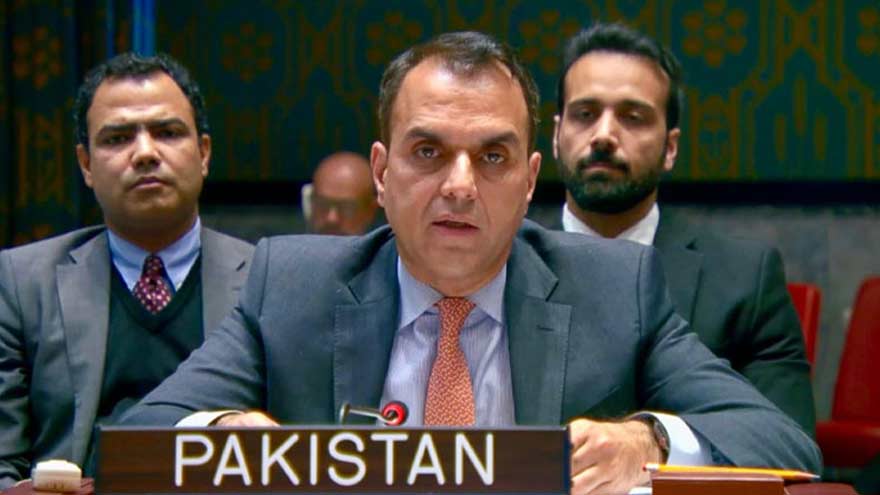
A news item in a leading newspaper alleging a revenue loss of Rs.100 billion due to the launch of the FCA system has been thoroughly rebutted by the Chairman FBR along with his team of senior customs officers during a media briefing, said a release issued here on Monday.
The report was based on misinterpretation of a preliminary audit report of the Directorate General of Post Clearance Audit (PCA).
During a detailed media briefing, the Chairman explained that FCA was introduced in December 2024 to enhance transparency and eliminate collusion between traders and customs officials. Far from causing losses, FCA has led to a significant increase in revenue collection—nearly 30 percent higher since its launch—and a fourfold rise in contravention cases against the non-compliant traders.
The FBR team categorically denied allegations of clearance of luxury vehicles on low value, presenting documentary evidence that duties and taxes were properly assessed and collected as per notified valuation tables contrary to the news item that reported Toyota Land Cruiser was cleared under FCA against value of Rs. 10.05 million (not Rs. 17,800) and duties/taxes of Rs. 47.2 million were collected.
It was also clarified that all restricted goods were cleared only after fulfilling all regulatory requirements prescribed by the import policy order.
Addressing concerns about increased dwell time, the Chairman clarified that minor delays are mainly due to external factors such as port congestion and procedural bottlenecks, and not due to the FCA mechanism itself.
The Chairman emphasized that the leaked audit observations—cited in the media report—were preliminary, exaggerated, and in some cases factually incorrect. He assured journalists that those involved in the unauthorised leakage of official reports or deliberate misreporting will be held accountable, and a special committee has already been constituted to fix responsibility.