Summary US, European shares little changed ahead of Ukraine talks, Jackson Hole
LONDON/NEW YORK (Reuters) - Wall Street and European shares were flat to marginally lower on Monday ahead of a potentially eventful week for U.S. interest rate policy, even as attention turned to Washington where Ukraine's Volodymyr Zelenskiy and European leaders will meet President Donald Trump.
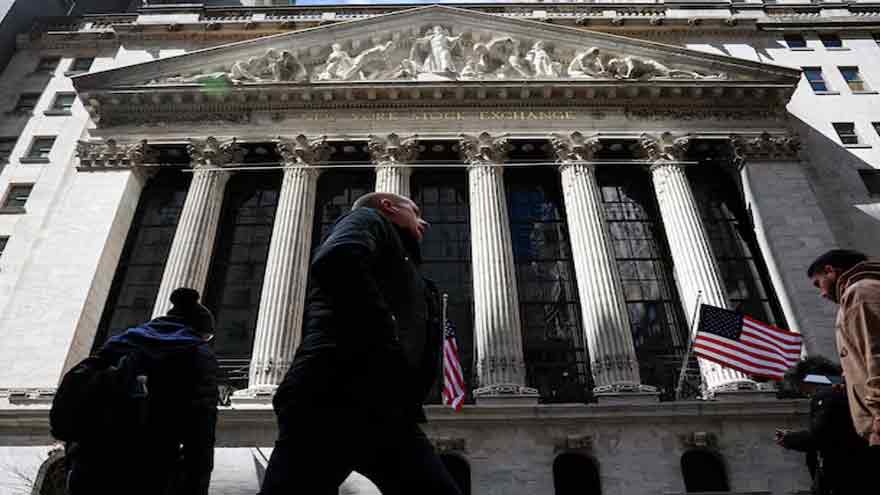
The S&P 500 was down slightly in midday trading, but remained within striking distance of its all-time high hit on Friday.
The pan-European STOXX 600 index was flat after hitting its highest since March last week, which left the MSCI All Country World Index 0.1% lower, but not far from its record high touched on Friday.
Earlier in the Asian session, indexes in Japan and Taiwan hit record peaks, while a gauge of Chinese stocks reached its highest level in a decade.
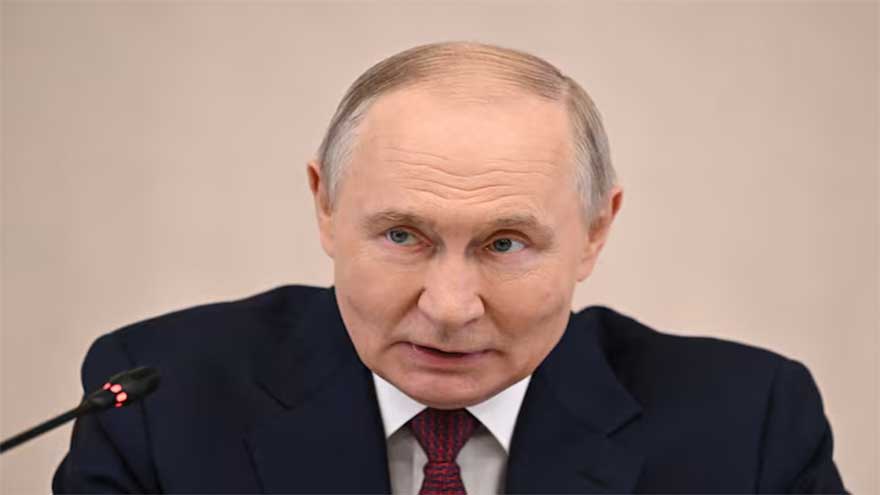
Investors were bracing for Trump's meeting with Zelenskiy and European leaders later on Monday to discuss the next steps to end the war in Ukraine, after Trump's summit with Russian President Vladimir Putin in Alaska on Friday.
"Expectations for any breakthrough are low, but apart from energy and assets with direct exposure to the region, the marginal impact on sentiment from the conflict has faded," Geoff Yu, EMEA macro strategist wrote in a research note.
While the Alaska summit did not result in an agreement, Trump afterwards appeared more aligned with Moscow on seeking a full peace deal over Ukraine instead of a ceasefire first.
Another key focus for the week is the Federal Reserve's August 21-23 Jackson Hole symposium, where Chair Jerome Powell is due to speak on the economic outlook and the central bank's policy framework.
Markets imply around an 85% chance of a quarter-point rate cut at the Fed's meeting on September 17, and are pricing a further cut by December.
"Fed Chair Jerome Powell will likely signal Friday that risks to employment and inflation are becoming more balanced, which would imply lowering policy rates toward neutral," wrote Andrew Hollenhorst, chief U.S. economist at Citi in a research note.
"But he will stop short of committing to a cut next month, awaiting jobs and inflation data for August."