Summary Iran’s parliament speaker rejected US claims that restored Iranian assets would be used to purchase American agricultural products, calling the assertions misleading.
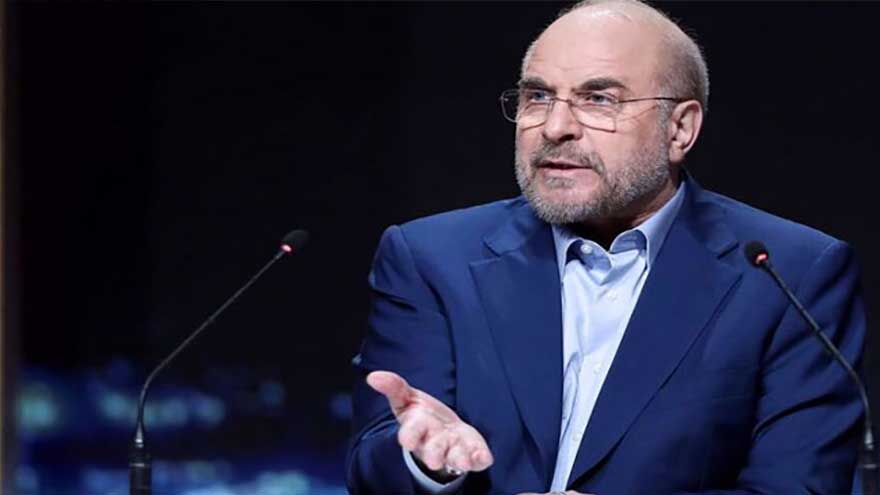
TEHRAN (Dunya News) — Iran’s Parliament Speaker Mohammad Bagher Ghalibaf has rejected US claims that Tehran would use any restored frozen assets to purchase American agricultural products, dismissing the assertions as false and politically motivated.
In a message posted on social media platform X on Thursday, Ghalibaf criticized statements by US officials suggesting that Iran would be required to spend recovered funds on imports from the United States.
“The United States falsely claims that we will purchase agricultural products with restored assets,” Ghalibaf said, mocking Washington’s position. He added that the only American crop Iran had experienced was “distrust,” which he described as entirely domestic and homegrown.
The Iranian parliamentary speaker further argued that the US had demonstrated an ability to export little more than genetically modified soybeans, broken promises and empty rhetoric.
Ghalibaf’s comments came after Washington claimed that any agreement involving the release of Iranian assets would include restrictions on how the funds could be used.
US President Donald Trump recently stated that approximately $12 billion in frozen Iranian assets could be restored under a potential arrangement between the two countries. According to Trump, the funds would be held in a designated account and could only be used to purchase agricultural products and medicines.
The US president said Iran would be limited to buying items such as corn, soybeans and wheat from American farmers, arguing that the arrangement would benefit the US agricultural sector while ensuring oversight of the funds.
US Vice President JD Vance and Treasury Secretary Scott Bessent also supported the proposal, saying the funds would be monitored through a mechanism involving Qatar and directed toward transactions that could benefit American agricultural markets.
Iranian officials, however, have consistently maintained that the country should have unrestricted access to its own assets and have opposed conditions tied to the use of recovered funds. Tehran has long argued that US sanctions and financial restrictions are unlawful and have unfairly targeted the Iranian economy.
The latest exchange highlights ongoing tensions between Tehran and Washington despite periodic efforts to reach understandings on financial, economic and diplomatic issues. Analysts say disagreements over sanctions relief and the use of frozen assets remain among the most contentious issues in US-Iran relations.
The dispute also underscores broader mistrust between the two countries, which have remained at odds over regional security, nuclear policy and economic sanctions for decades.