Summary US Vice President JD Vance says the 60-day Iran negotiation period has begun, urges Israel to respect the peace process, and signals upcoming technical talks on the nuclear deal.
WASHINGTON (Agencies) – US Vice President JD Vance said on Thursday that the 60-day negotiation period under a memorandum of understanding between the United States and Iran has officially begun, marking a new phase in ongoing diplomatic efforts over the nuclear and regional security file.
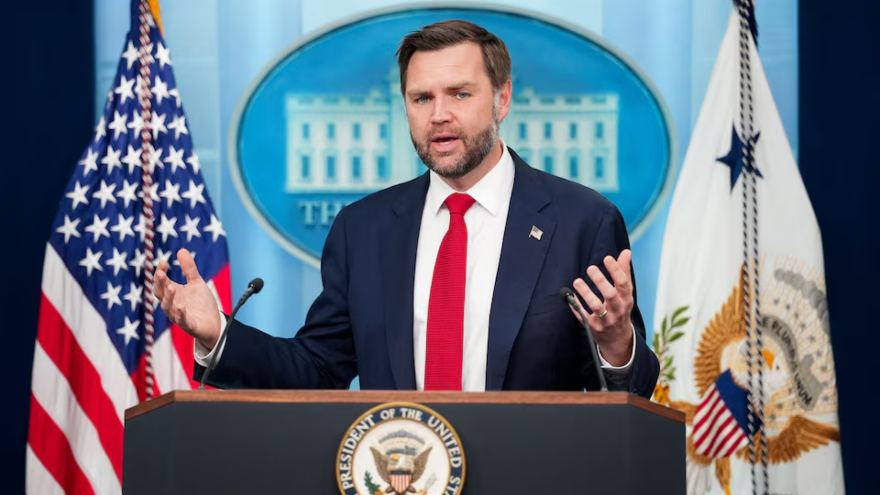
Speaking at a White House briefing, Vance said technical talks are expected to start this weekend, depending on logistical arrangements for the Iranian delegation. He added that the timeline remains flexible, but the current plan is to proceed with early-stage discussions led by the US negotiating team, which he said he intends to head personally.
Vance confirmed that the interim framework, approved by US President Donald Trump and Iranian officials, took effect earlier this week, with the formal 60-day window beginning on Thursday. He said the agreement leaves space for further negotiation on complex issues, including long-term arrangements around strategic waterways such as the Strait of Hormuz.
Vance stressed that the agreement is designed as a phased process, pushing the most difficult disputes into subsequent rounds of talks. He noted that while expectations remain cautious, the administration believes a structured dialogue could help manage long-standing tensions.
He also reiterated the US position that key maritime routes, including the Strait of Hormuz, should remain free of tolls or disruption, referencing past periods of instability in the region.
In remarks that drew attention internationally, Vance urged Israel to respect the emerging peace process with Iran, saying the arrangement is intended to improve regional stability. He criticised what he described as a “freakout” within Israeli political circles over the deal.
Israeli officials, including allies of Prime Minister Benjamin Netanyahu, have expressed concern that the agreement does not sufficiently address Iran’s nuclear and ballistic missile programmes and could constrain Israel’s operations against Iran-backed groups such as Hezbollah.
Vance argued that Israel cannot address all security threats through military force alone and suggested that mistrust of the US approach is misplaced, saying Washington has earned credibility through long-standing security cooperation.
The US Vice President also said the administration would soon brief Congress on the agreement but maintained confidence that sanctions on Iran could be temporarily lifted without congressional approval. He added that sanctions relief would not proceed if Iran continues to support groups designated as terrorist organisations, reiterating conditions tied to regional behaviour.