Updated on
Summary The measure allows the sale of alcoholic beverages in stadiums during the upcoming World Cup.
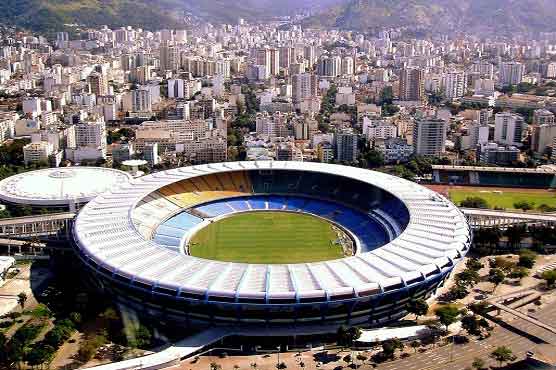
Brazils Congress passed a key World Cup bill on Wednesday (May 9) that would open the way for the sale of alcohol inside the 12 stadiums where the games will be played. When it was chosen to host the World Cup in October 2007, Brazil agreed to allow alcohol to be sold in stadiums, even though it banned the sale of booze inside grounds in 2003 in an attempt to stop hooliganism.The so-called 2014 Bill, which has been years in the making, provides a legislative framework for the organization of the FIFA World Cup and its curtain raiser, the 2013 Confederations.After many delays, senators passed the unpopular bill at a late night session in the capital city of Brasilia.Senator Lindbergh Farias said he thought the matter was tarnishing the South American giants international reputation.I voted in favour because it would be worse not to vote on the General Law for this World Cup. It would be bad for Brazil and our image. We have to work for this World Cup to succeed in the best way possible. I know theres strong majority sentiment against the sale of alcoholic beverages (at sports matches) because of the countrys experience. (But) Here in Brazil, violence in stadiums has decreased a lot because of the ban against alcoholic beverages. They will only be able to sell them during the World Cup; were not going to allow it in general, he said.One of FIFAs biggest sponsors is beer maker Budweiser and FIFA demands the host nation allow alcohol to be sold at games.Senator Humberto Costa said the soccer world body was being unreasonable because the sale of alcohol at the 64 games was unlikely to make a dent in Budweisers revenues.Fifas demand doesnt make sense because the most important thing is that alcoholic advertisement is freely available. To liberalize the use of alcohol, imagining that 10,000 or 20,000 beers sold in a match would change a companys economic situation is absurd, he said.Another controversial aspect of the bill surrounds cut price match tickets.Brazilian law allows half-price entry into sports, concerts and other events to students and pensioners. FIFA says extending that law to the World Cup would hit its coffers hard and instead vowed to set aside 300,000 tickets for students, pensioners, and minority groups that include indigenous people and the disabled.FIFA estimates that 3.3 million tickets will be available for the 64 matches.The bill now goes to Brazilian President Dilma Rousseff, who is expected to sign it into law.Brazils slow pace in preparing for the World Cup has irritated FIFA officials and was at the centre of executive secretary Jerome Valckes falling out with the Brazilian government after he said they needed a kick up the backside.