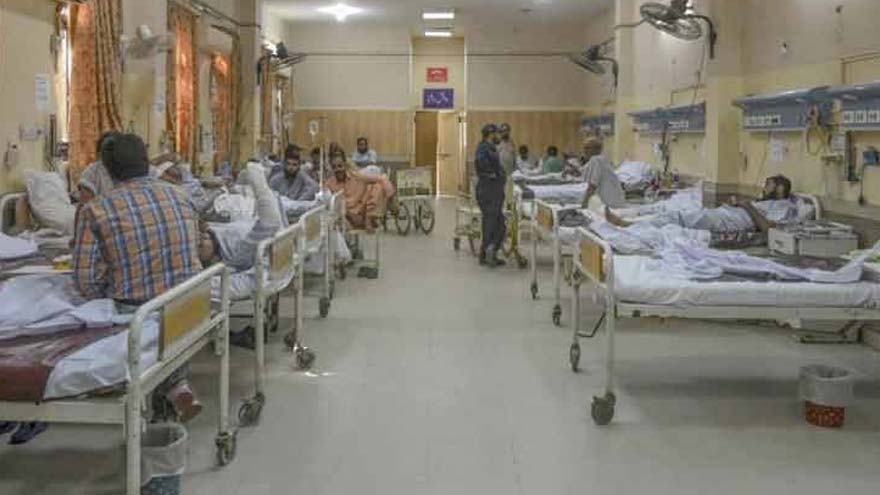
Peshawar school roof collapse kills 35, including 34 students and a teacher, prompting emergency rescue and hospital response.
Pakistan has cut petrol prices by Rs3.63 per litre to Rs390.23 and increased high-speed diesel by 31 paisa to Rs396.96 from Friday.
ISLAMABAD Dunya News The federal government has reduced the price of petrol by Rs363 per litre while increasing the rate of highspeed diesel by 31...
Interior minister cites difficulties in forming provincial security committee
ISPR says security forces killed five militants in an intelligence-based operation in Balochistans Washuk district on October 12-13, recovering weapons, ammunition and explosives.
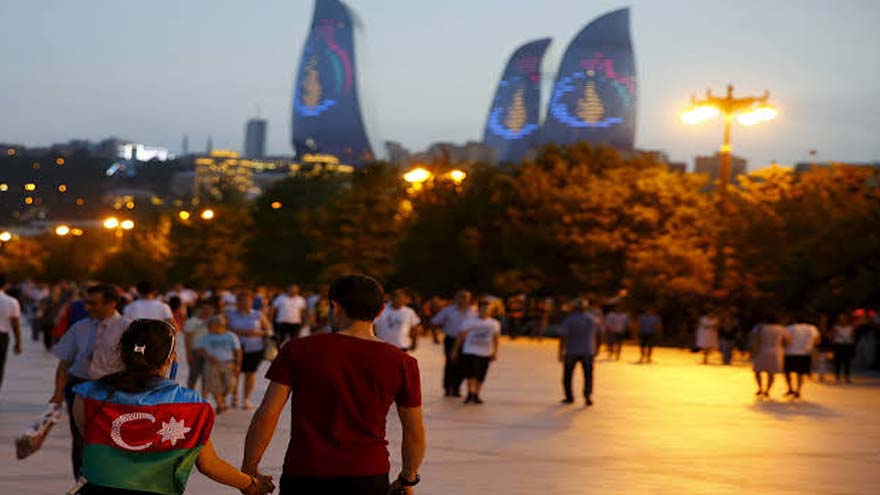
Students across Azerbaijan are boycotting classes over hijab restrictions, while arrests, parental protests and demonstrations abroad intensify debate over religious freedom.
US senators urge Trump to reverse the Russian diesel deal, warning it could fund Moscows war in Ukraine and undermine American security interests.
Lahores Bagh-e-Jinnah now features a Bodhi tree avenue that highlights the trees sacred role in Buddhism and its historical links to Bodh Gaya, Sri Lanka and Taxila.
Russian Interior Minister Vladimir Kolokoltsev concluded his four-day Pakistan visit, praising its hospitality as officials highlighted opportunities to strengthen bilateral relations.
The Trump administration considers easing sanctions on shadow fleet oil tankers to increase global oil shipments, address record freight rates, and stabilize fuel markets.
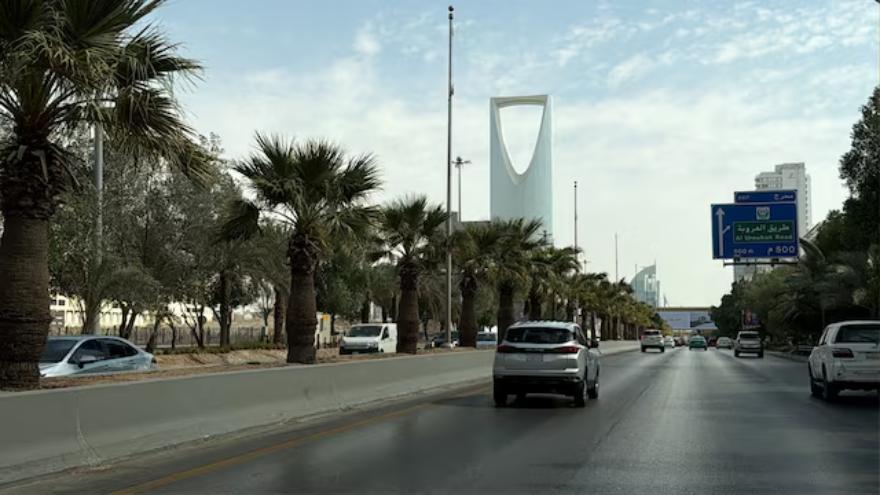
The security uncertainty has cast a shadow over sporting events in the kingdom
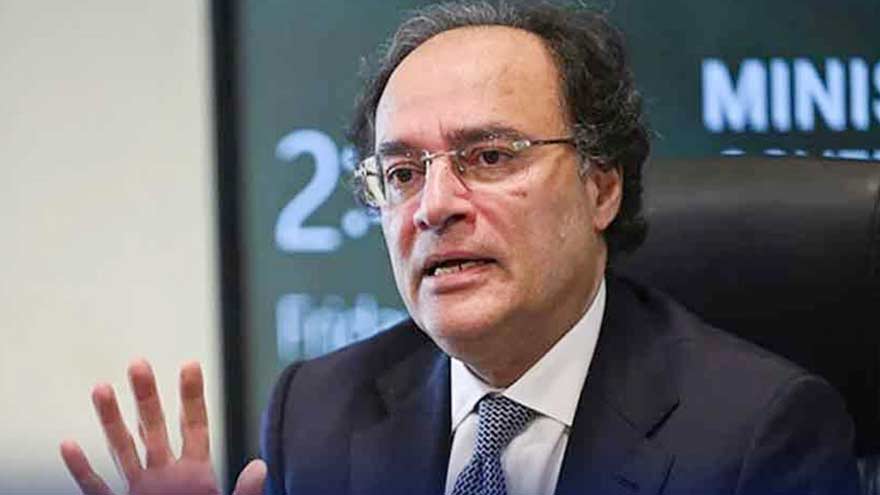
Finance Minister said that Pakistan wanted to deepen economic relations with Gulf countries, China, the United States
During the interview, the actor also reflected on his personal life, expressing gratitude for his marriage and family.
Samsung Galaxy S27 and S27 may retain 12MP selfie cameras, while the Galaxy S27 Pro and Ultra could feature upgraded 16MP front cameras.
According to police officials, the couple is suspected to have been murdered with a sharp-edged weapon.
Police in Cologne, Germany, have seized a humanoid robot following an alleged incident involving a 16-year-old girl outside a fast-food outlet