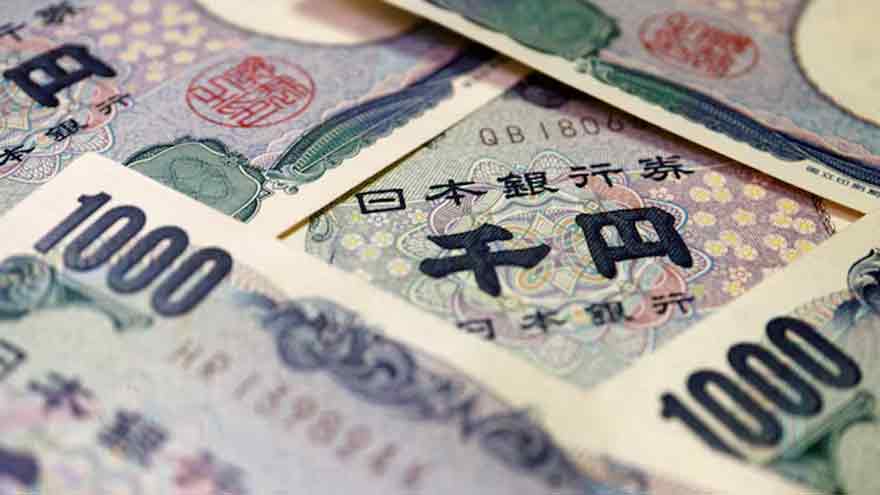
Summary The yen held steady after a 7.5-magnitude earthquake in Japan, while markets await key central bank decisions. The U.S. dollar was flat at 155.885 yen, and the Australian dollar remained at $0.6626.
SINGAPORE (Reuters) - The yen held steady in early Asian trading after a powerful 7.5-magnitude earthquake struck Japan's northeast overnight, adding to a risk-off mood ahead of several policy decisions from central banks including the Federal Reserve.
Against the yen , the U.S. dollar was last flat at 155.885 yen after the quake, which prompted evacuation orders and tsunami warnings that were downgraded to advisories hours later.
"The initial shock immediately revived memories of supply-chain fragility, potential insurance losses, and disruption to critical industrial output," said Tony Sycamore, market analyst at IG in Sydney, noting the anxiety was adding to the "risk-off tone" on markets.
The Australian dollar was last flat at $0.6626 ahead of the Reserve Bank of Australia's December policy decision due at 0330 GMT, when it is widely expected to keep interest rates on hold.
Markets are preparing for a busy week of central bank decisions, anticipating a rate cut from the Federal Reserve at its meeting later this week.
The U.S. dollar index , which measures the greenback's strength against a basket of six currencies, was last up 0.1% at 99.092, edging back from its highest level in a week.
Bond investors are dialling back expectations of rate cuts in 2026 as scepticism mounts that Kevin Hassett, the frontrunner to succeed Jerome Powell, whose eight-year term as Fed chair ends in May, will prove as dovish as hoped by U.S. President Donald Trump.
Nevertheless, markets believe policy easing from the U.S. central bank this week is a near-certainty, with attention turning to the outlook for the year ahead.
Fed funds futures are pricing an implied 87% probability of a 25-basis-point cut at the Fed's December 9-10 policy meeting, according to the CME Group's FedWatch tool.
The yield on the U.S. 10-year Treasury bond was last trading at 4.168%, down 0.4 basis point from late U.S. levels, to retrace a three-day rise in yields.
"Markets made a dash for higher rates, and the new levels seem justified based on fundamentals," analysts from ING wrote in a research note.
So, what happens to oil now?
The euro stabilised following a selloff in bund markets on Monday, after ECB board member Isabel Schnabel told Bloomberg News that the European Central Bank's next move may be an interest rate hike, rather than a cut as some expect, but added that it will not happen in the near future.
The European common currency was last trading flat at $1.164075.
Against the Chinese yuan trading offshore in Hong Kong , the U.S. dollar was last flat at 7.07 yuan.
The British pound was last steady at $1.332, while the New Zealand dollar was also unchanged at $0.57755.