


MuslimGirl's Amani Al-Khatahtbeh: 'We decided to make the conversation about us'
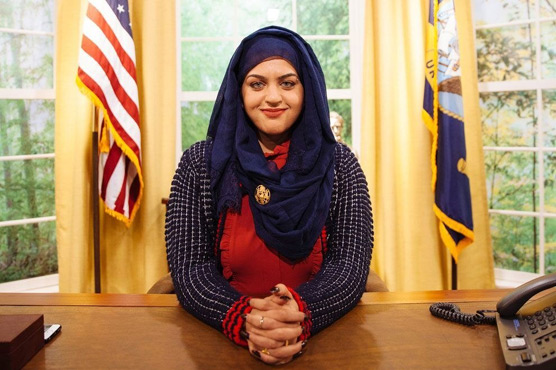
Al-Khatahbeh grew up in a post 9/11 America, where anti-Muslim rhetoric was common. Photo: Teenvogue
Amani Al-Khatahtbeh remembers the day Donald Trump first began talking about a Muslim ban. “It was like a bombshell,” she says. “All of a sudden it was like this new level of tension, of fear, of weird socially acceptable racism again, out in the open.”
Al-Khatahtbeh is no stranger to the experience of racism. Like all Muslim women – particularly Muslim women who wear a headscarf – she’s found herself a target in the heightened climate of Islamophobia and racism in the modern United States.
“We re one of the most visually identifiable religious minorities in the country,” says Al-Khatahtbeh. “For that reason we ve kind of become like the lightning rods for people that want to express that hatred that they re feeling.”
When we speak over Skype a few days after the protests in Charlottesville, Virginia, the world is still reeling from the images of the tiki torch-wielding, Nazi slogan-chanting far right.
But Al-Khatahtbeh is the kind of woman who fights back and who gives other women a platform on which to fight back, too.
As the founder and editor-in-chief of MuslimGirl, an online magazine by and for young Muslim women, she has made a life out of amplifying the voices of her community. Over the phone she is sharp, serious and self-assured; this is no time to be equivocal about politics.
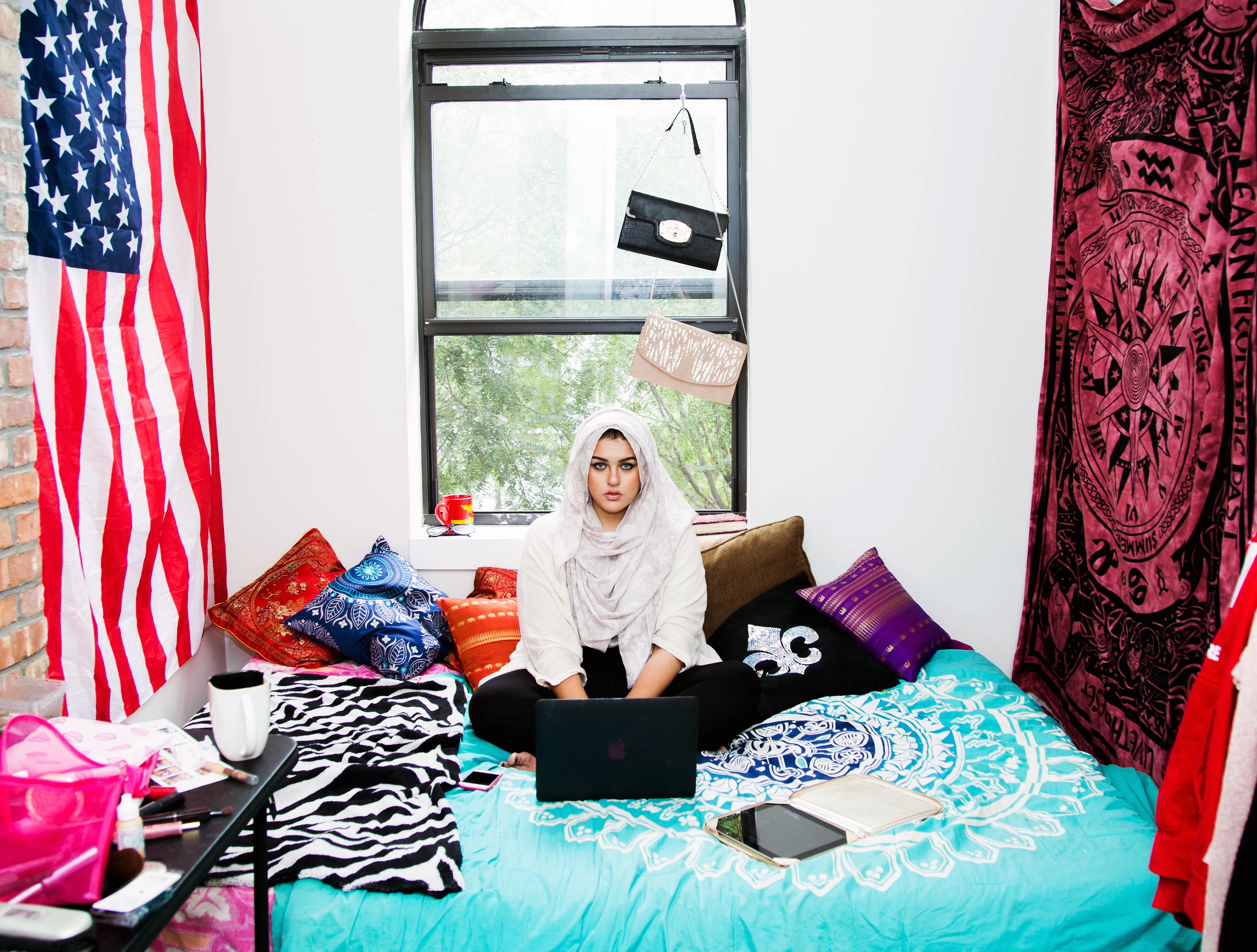
Amani Al-Khatahtbeh: ‘We’re one of the most visually identifiable religious minorities in the country.’ Photo: The Guardian
“What’s going on right now, this weird resurgence of white supremacy so visibly in the public eye – I have never seen anything like this in my entire life so far,” Al-Khatahtbeh says. “But I think that this is a really important moment for us to remind ourselves that it’s rooted in anti-blackness. And black Muslims have been at the intersection of everything going down, between Black Lives Matter and the Muslim ban, yet they’ve been largely neglected and ignored.”
For Al-Khatahtbeh, focusing on these neglected narratives – allowing the people directly affected by significant events like Charlottesville to speak for themselves – is part of the essential process of speaking truth to power.
Al-Khatahtbeh and her contemporaries, who came of age in post-9/11 America, spent their formative years exposed to the relentless anti-Muslim rhetoric that drove the so-called war on terror. Al-Khatahtbeh herself was nine when the World Trade Center was attacked, and her teen years were defined by it.
“We grew up being denied this accurate representation of ourselves and the world around us,” she says. “We were constantly bombarded with very dehumanising, very racist messaging, about who Muslims are, what Islam represents. And that had a tremendous impact on us and the formation of our identities.”
It was the resulting isolation and loneliness that drove Al-Khatahtbeh, at 17, to start MuslimGirl. “I realised, look I can’t be the only person that feels this way! Where are the other Muslim girls of my generation – the ones that have one foot in two cultures, the ones that were born and raised here in this weird fog with everything going on? So I wanted to create a space where I could find those friends.”
MuslimGirl’s primary purpose, Al-Khatahtbeh explains, is to “elevate” the stories and perspectives of as wide a spectrum of Muslim women as possible. She sees the media representation of Muslims, which homogenises a substantial and enormously diverse segment of the population, as particularly harmful: “That has very serious consequences socially, because that’s the first step to dehumanising an entire group of people.”
MuslimGirl has been running for over eight years now but the profile of the masthead has increased considerably in the last couple – partly as a consequence of the tenor of discussion about Muslim identities, but also because of the lack of Muslim women in that public conversation. MuslimGirl itself has also grown: from a base that consisted of Al-Khatahtbeh and her friends at her local mosque, to around 50 contributors from across the US and a huge number of readers. At the time of writing, the magazine’s Facebook page has over 130,000 followers.
While Al-Khatahtbeh never sought mainstream attention for the project (“we decided to make the conversation about us, and have the conversations that we needed to have”), she realised that a wider readership also offered a “rare opportunity to educate”.
“We always envisioned our non-Muslim readers to be able to feel like they’re flies on the wall,” she says. “To be able to learn from us indirectly, just seeing the way that we implement Islam in our everyday lives … taking down stereotypes by allowing them in, to see things through our eyes.”
Last year, Al-Khatahtbeh published a memoir – Muslim Girl: A Coming Of Age – that dove into her own experiences in post-9/11 America. Her biggest fear, she explains, was that another generation of Muslim children would grow up enduring what she and her peers did. That reality, she says, is now staring her community in the face.
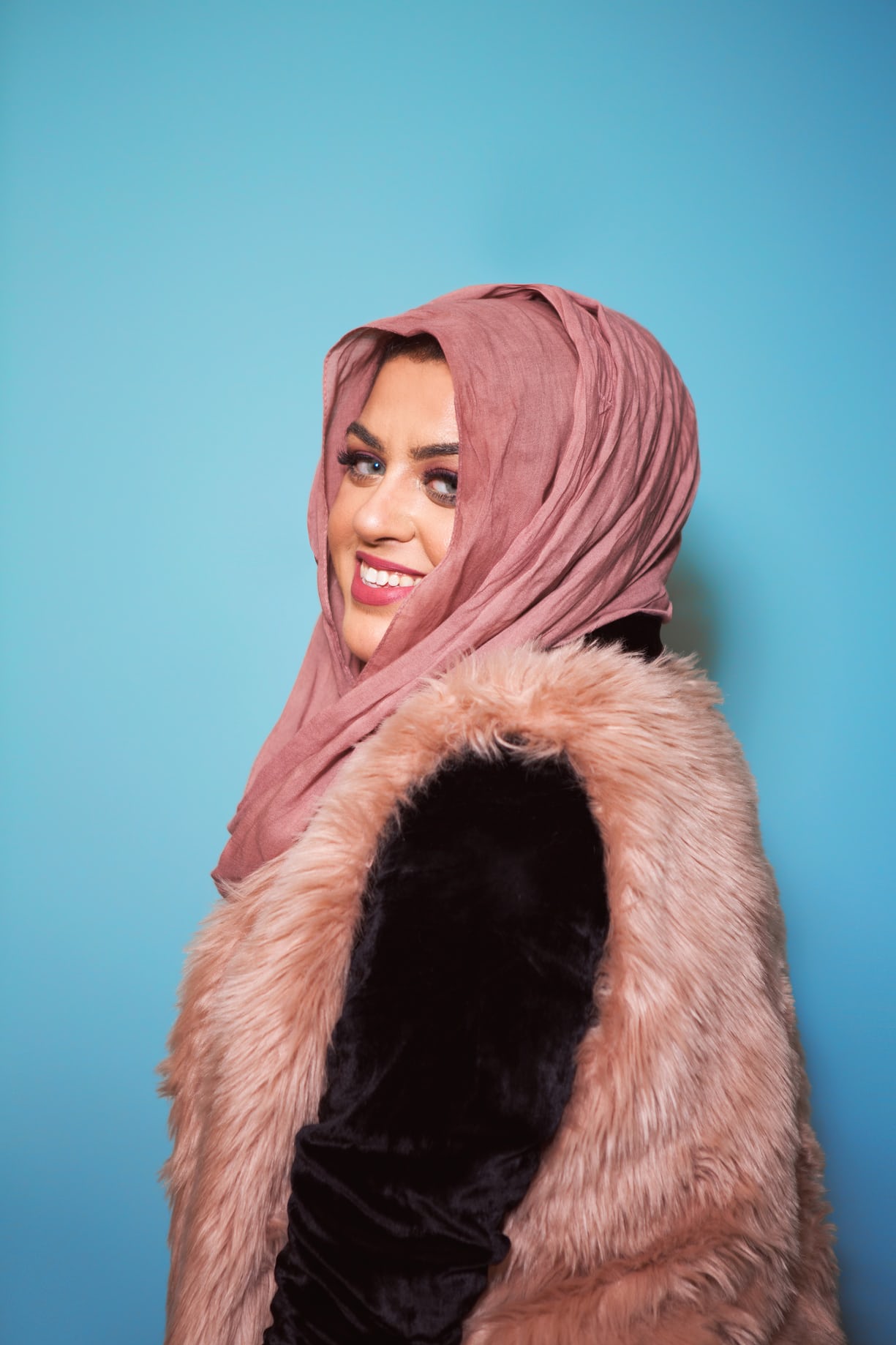
‘Every day I hear of a new Muslim woman in our community who has chosen to remove her headscarf because she fears for her life.’ Photo: The Guardian
“Every day [I] hear of a new Muslim woman in our community who has chosen to remove her headscarf because she fears for her life. She fears becoming victimised by a hate crime just by walking down the street of her own home town. And I think that that’s kind of like a collective fear that we all have been experiencing, especially after what happened with Nabra Hassanen just a couple of months ago during Ramadan.”
Hassanen, a Muslim girl from Virginia, was beaten to death in June in what authorities called an act of road rage, but which the Muslim community strongly believes was a hate crime.
“That, for a lot of us, was just like the epitome of our worst nightmare, and everything that we ve been preaching against.”
Al-Khatahtbeh believes that fighting back against violence, sexism, racism in general and Islamophobia in particular requires a multipronged approach.
As the political moment intensifies around questions of race and religion, it s that “sisterhood” Al-Khatahtbeh has at MuslimGirl that keeps her going – something she believes her readers share. “For a lot us, that is our emancipation, it’s like seeking that bond through our womanhood, both among Muslims and other women of colour, and our allies.
“None of us are alone – we really are all in this together.”
The story originally appeared in The Guardian.
