



Putting Pakistan on watch list shows malicious intent of US: Khawaja Asif
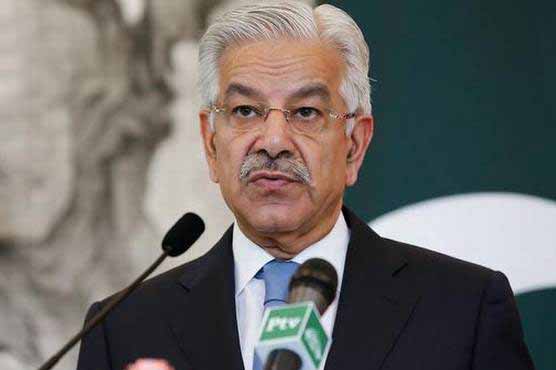
There is not one demand of the States that Pakistan did not meet, Asif claimed.
ISLAMABAD (Dunya News) – Foreign minister Khawaja Asif has said on Friday that United States (US) step to put Pakistan on watch list for religious freedom violations shows her malicious intent.
A private telly channel reported that the foreign minister has branded the US move a sign of approving use of all weapons against Pakistan.
Asif said that the States invariably deceived Pakistan in tough times and that the world powers that United States subjected to her vengeance are all very much alive.
Know also: US announces to suspend security assistance to Pakistan targeting CSF
The federal minister claimed that US stance towards Afghanistan kept changing over a period of time and that the blame for failure in Afghan peace process is being dumped on neighbouring Pakistan.
There is not one demand of the States that Pakistan did not meet, Asif claimed.
While talking about arch rival India, the foreign minister said that the situation that minorities in India are leading their lives in is known to the world. People are lynched for consuming beef in India, he said.
Putting Pakistan on watch list
The U.S. State Department has placed Pakistan on a special watch list for “severe violations of religious freedom,” days after the White House said Islamabad would have to do more to combat terrorism to receive U.S. aid.
The State Department also said it had re-designated 10 other nations as “countries of particular concern” under the International Religious Freedom Act for having engaged in or tolerated egregious violations of religious freedom.
The re-designated countries were China, Eritrea, Iran, Myanmar, North Korea, Sudan, Saudi Arabia, Tajikistan, Turkmenistan and Uzbekistan. They were re-designated on Dec. 22.
“The protection of religious freedom is vital to peace, stability, and prosperity,” the department said in a statement. “These designations are aimed at improving the respect for religious freedom in these countries.”
