



EU calls Ukraine crisis talks as angry Europe eyes sanctions
The latest explosion of violence has set alarm bells ringing across the international community.
BRUSSELS (AFP) - European Union foreign ministers have been summoned for crisis talks on Ukraine on Thursday as shock and outrage over the bloodshed in Kiev triggered strident calls for sanctions.
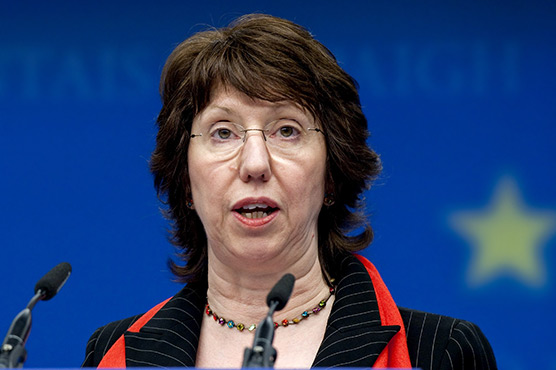
In what would be a policy U-turn for the EU triggered by the escalating violence in Kiev, the bloc s foreign policy chief Catherine Ashton said Wednesday that the EU finally would consider tougher action, including sanctions against those deemed responsible.
"All possible options will be explored, including restrictive measures against those responsible for repression and human rights violations," she said.
The latest explosion of violence in the three-month standoff in Ukraine, where at least 25 people were killed in fierce clashes on Tuesday, has set alarm bells ringing across the international community.
And in a separate bid to facilitate dialogue between the authorities and protesters, Ashton has asked Polish Foreign Minister Radoslaw Sikorski to travel to Ukraine to start a mission on behalf of the 28 EU member states.
Until Tuesday s bloody upsurge in violence, the bloc had resisted US calls for reprisals, preferring to keep channels of communication open with embattled President Viktor Yanukovych.
But with leaders in Europe saying Yanukovych now had "blood on his hands", Ashton has convened an extraordinary meeting of EU foreign ministers at 1300 GMT on Thursday.
The EU s political and security committee went into closed door talks on Wednesday to thrash out a consensus on action on Ukraine ahead of the ministers get-together.
Unanimity is required to agree sanctions, and not all member states are backing punitive measures against the Ukraine regime.
French President Francois Hollande, who is holding talks in Paris with German Chancellor Angela Merkel, has called for swift action, asking the EU to impose sanctions at Thursday s meeting.
"We must be clear: ultimate responsibility for deaths and violence is with president Yanukovych," added Swedish Foreign Minister Carl Bildt.
"He has blood on his hands."
An EU source told AFP that for the moment "no country is really against" targeted sanctions.
But Romania s Foreign Minister Titus Corlatean said "only dialogue can resolve the crisis in this moment of maximum tension."
- Leaders must answer for actions -
European Commission president Jose Manuel Barroso, who was also in Paris, said he watched the latest events unfold with "shock and utter dismay".
"There are no circumstances that can legitimise or justify such scenes," he said. "It is the political leadership of the country that has a responsibility to ensure the necessary protection of fundamental rights and freedoms."
While the EU had worked hard to facilitate dialogue between the authorities and protesters, and continued to see political reform as the sole way out of the crisis, it now expected "targeted measures against those responsible for violence... as a matter of urgency," he said.
Europe had been divided in the last weeks over calls for sanctions, such as asset freezes or visa bans against individuals or companies, with some countries fearing the political risks, said Belgian Foreign Minister Didier Reynders.
"There is no unanimity on sanctions, with several of Ukraine s neighbours fearful that this would risk pushing the regime to even tougher action against the opposition."
In Poland, however, Prime Minister Donald Tusk said he would call on other EU leaders to agree "sanctions that would strongly affect the authors of the Ukrainian drama, personal and financial sanctions."
His foreign minister said he would be starting a mission to Ukraine on behalf of Ashton "soon" but gave no further details.
Germany blamed Yanukovych s refusal to enter serious dialogue for the escalation of violence in the three-month-old standoff.
"Everyone must know that violence is no solution and only makes everything much worse. Ukraine has paid dearly for the delaying tactics of President Yanukovych," said Foreign Minister Frank-Walter Steinmeier.
"His refusal to hold serious talks about a peaceful conflict resolution and constitutional reform is a big mistake."
Pope Francis urged an end to violence while UN human rights chief Navi Pillay demanded an independent investigation to ensure accountability for the deadly clashes.
