Egypt's Muslim Brotherhood chooses presidential candidate
Dunya News

Brotherhood has shown major divisions and its ties with the ruling council have worsened.

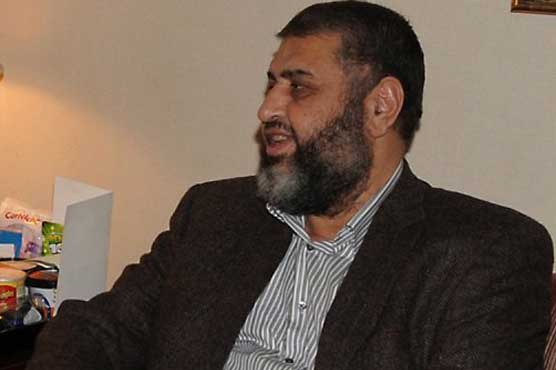
The Muslim Brotherhood in Egypt has nominated its deputy chairman, Khairat al-Shatir, as its candidate for the presidential elections in May.The choice of Mr Shatir, the groups financier, reverses a pledge made earlier by the groups leaders not to contest the election.Only a few days remain before the close of nominations.Correspondents say the Brotherhood has shown major divisions and its ties with the ruling council have worsened.There had been much speculation about whether it would opt to field a candidate following the partys legislative election success in November.The movements political arm then won around a third of the vote, and nearly half the seats in the first parliamentary election since the fall of Hosni Mubarak last year.Mahmoud Hussein, the groups deputy leader, said it had decided to field a candidate following attempts to abort the revolution.The announcement ends months of speculation about who the Muslim Brotherhood would throw its weight behind, says the BBCs Yolande Knell in Cairo.Before Egypts uprising, Khairat al-Shatir spent 12 years behind bars because of his association with the Muslim Brotherhood. Yet he managed to maintain a multimillion-dollar business empire, care for his 10 children and uphold his commitment to political Islam.Since he was released from jail last year, the influence of Mr Shatir has increased so that many suggest he is more powerful than the Brotherhoods general guide. As deputy leader, the 62-year-old took key strategic decisions concerning the formation of a political party and is said to have led negotiations with the ruling military. He has been the public face of the Brotherhood to visiting foreign officials and investors.While Mr Shatir has been at pains to express his groups commitment to democracy, free markets and minority rights, he has also said that the recent elections show Egyptians commitment to an Islamic state.Mr Shatir, a wealthy businessman, has long been a senior member of the Islamist group and its main financier.He spent 12 years in prison because of his connection with the Brotherhood, which was previously banned. He was released only after last years uprising.In an official statement, the Muslim Brotherhood said it had reversed its decision not to contest the presidency to overcome risks to Egypts revolution and the transfer from military to civilian rule.The Brotherhood already dominates Egypts newly elected parliament and the panel set up to draft the new constitution.But it complains that its attempts to form a new cabinet have been blocked and there have been threats to dissolve parliament.The ruling military council has been in conflict with the Brotherhood over the appointment of cabinet ministers.The Brotherhood argues presidential candidates from the ousted government could present a further challenge.
