Summary He said the 18th Amendment of Pakistan was introduced with the objective of paving the way for more provinces
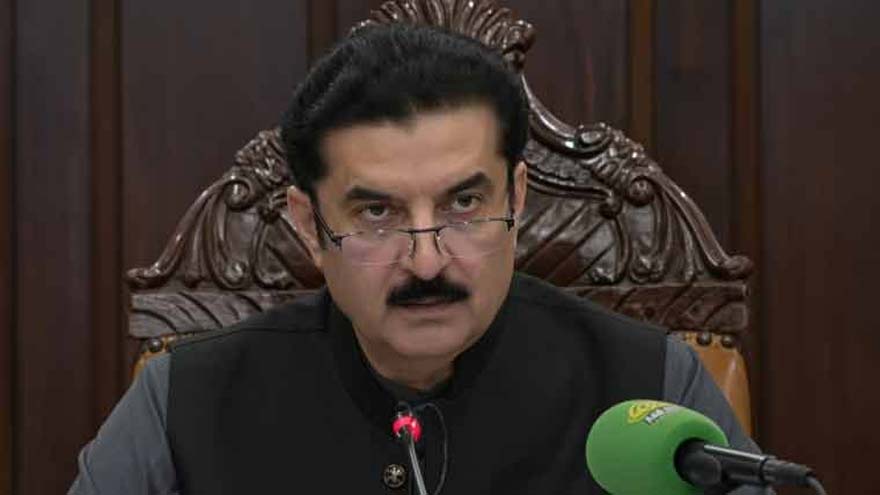
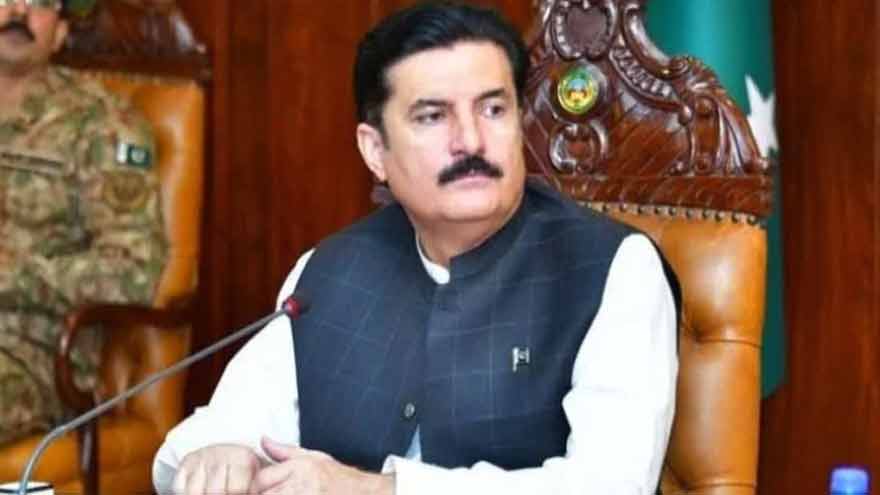
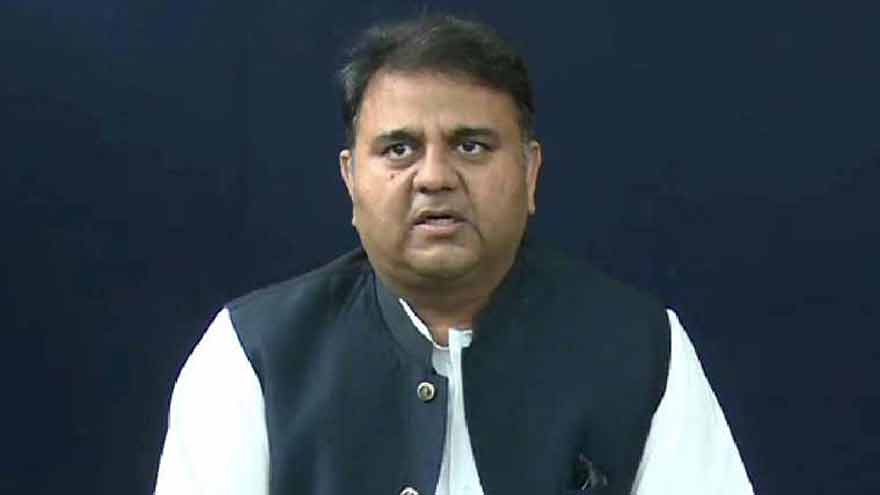
LAHORE (Dunya News) - Former federal minister Fawad Chaudhry has expressed support for the creation of new provinces in Pakistan, arguing that the move is essential for meaningful structural reforms in the country.
Speaking on Dunya News programme “Tonight with Samar Abbas”, Chaudhry said the idea of forming new administrative units has become a subject of discussion across the world.
He noted that in major countries such as the United States and the United Kingdom, the establishment of new administrative regions is a common practice, often facilitated through local government systems.
He said the 18th Amendment of Pakistan was introduced with the objective of paving the way for more provinces, but lamented that it has not been implemented in its true spirit.
Chaudhry added that some initial work on creating new provinces was undertaken during the early tenure of former president Pervez Musharraf, but the process was not carried forward, which he claimed ultimately weakened the federation.
Also Read: Mian Amer Mahmood calls for new provinces, stronger local govt system
He maintained that introducing new provinces remains the only viable path if the country aims to undertake large-scale reforms.
Referring to historical administrative decisions, Chaudhry said that in 1970, Balochistan was integrated into Pakistan’s overall structure, while Karachi — once the federal capital — was merged into Sindh, decisions he argued lacked strong justification.
Responding to a proposal by Mian Amer Mahmood suggesting that existing divisional structures be upgraded into provinces to ensure equitable distribution of resources, Chaudhry said the idea was fundamentally sound and widely agreeable.
He further stressed the need to review the status of regions such as Gwadar and the former Federally Administered Tribal Areas, calling for a broader national debate on the issue.