


Supreme Court rules 1980 scrapped as new fee chart released
Pakistan
Frivolous or vexatious review petitions could land the lawyer or party with costs of up to Rs25,000

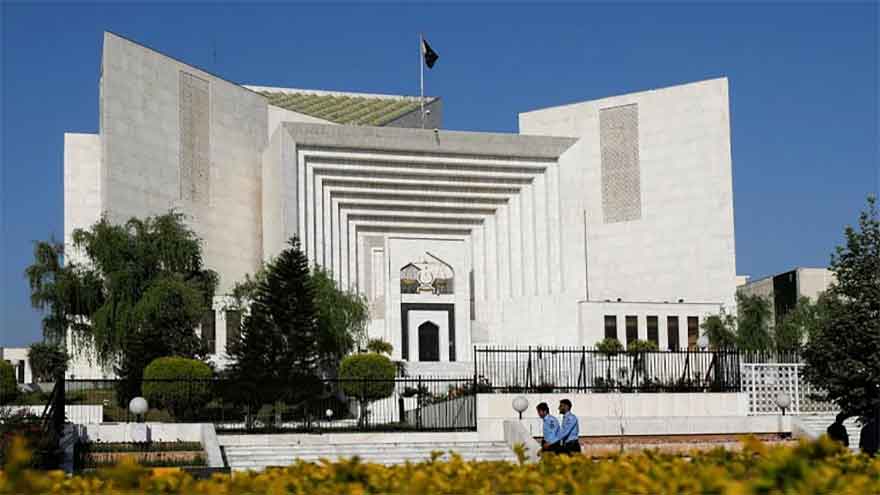
ISLAMABAD (Dunya News) – The Supreme Court Rules 1980 have been thrown out, with the new Supreme Court Rules 2025 officially coming into force from August 6, 2025.
Under the fresh rules, if implementing any clause becomes tricky, the Chief Justice Committee will have the power to issue orders based on recommendations.
The time limit for filing a criminal appeal has been extended from 30 to 60 days, and the same increase applies to direct civil appeals.
Appeals against objections from the Registrar’s Office must now be filed within 14 days. The period for filing a review petition against a Supreme Court judgment is fixed at 30 days, and the petitioner must immediately notify the other party upon filing.
A certified copy of the judgment or order is mandatory with the review petition. If the petition is based on new evidence, certified documents and an affidavit must be provided. The lawyer or petitioner must also briefly state the grounds for the review.
Frivolous or vexatious review petitions could land the lawyer or party with costs of up to Rs25,000.
Reviews will generally be heard by the same bench that issued the decision. If a judge retires or resigns, the remaining judges on the bench will hear the matter. Jail petitions will remain exempt from court fees.
The Supreme Court has also released a new court fee chart under the 2025 Rules, which took effect on August 6. Fees are set as follows: CPLA/Civil Appeal – Rs2,500, Constitutional Petition – Rs2,500, Civil Review – Rs1,250, Security Challan – Rs50,000, Intra-Court Appeal – Rs5,000, Power of Attorney – Rs500, Caveat – Rs500, Concise Statement – Rs500, Inter-Appearance – Rs100, Affidavit – Rs500, and Application – Rs100.
Chief Justice Yahya Afridi had formed a committee led by Justice Shahid Waheed to prepare the new rules. Other members included Justice Irfan Saadat Khan, Justice Naeem Akhtar Afghan, and Justice Aqeel Ahmed Abbasi. The committee consulted judges, the Supreme Court Office, bar councils, and associations before finalizing the new framework.
