


Zil-Haj moon sighted; Eid-ul-Azha on Oct 16
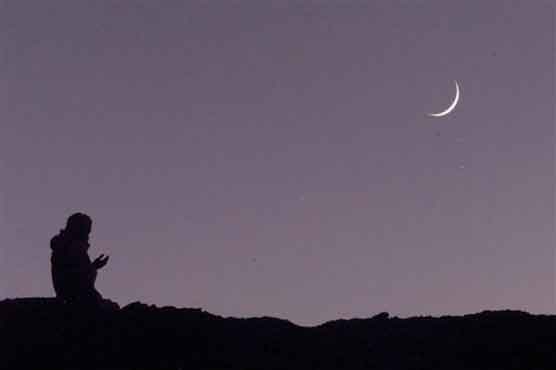
Central committee makes final decision on basis of moon sighting testimonies from across country.
KARACHI (Online) - Eid-ul-Azha will be celebrated on October 16 in Pakistan as Zil-Haj moon has been sighted on Sunday.
The Central Ruet-i-Hilal Committee met at the Met Complex to decide about the sighting of the Zil-Haj moon.
Chairman of the Central Ruet-i-Hilal Committee, Mufti Munib-ur-Rehman presided over the meeting.
The meeting commenced after the Asr prayers.
The Eid-ul-Azha is celebrated on the 10th day of Zil-Haj.
Muslims across the world will sacrifice the animals to commemorate the sacrifice Hazrat Ibraheim.
The central committee makes the final decision on the basis of moon sighting testimonies from across the country and makes the final announcement of moon sighting.
“The decision of the moon sighting was taken after reaching a unanimous agreement with zonal committees,” said Rehman.
Quetta was the first city in which the moon was sighted.
Officials from the meteorological department were present in the sessions convened to sight the moon.
Markets of sacrificial animals have been set up in all cities of Pakistan but prices of animals are beyond the reach of common man due to high inflation.
High inflation following an increase in petroleum prices has made it impossible for the majority of citizens to buy animals to sacrifice on the approaching Eidul Azha.
According to a survey, the prices of sacrificial animals have surged up to 50 per cent to 100 per cent compared to last year’s prices in major cities of the country including Rawalpindi.
Thus, the majority of the population are just ‘window shopping’ in the catlle markets.
This year, a sheep costs Rs 15,000 to Rs 30,000, goat Rs 20,000 to Rs 40,000 and prices of oxes have gone up from Rs 100,000 to Rs 250,000.
The sacrificial animals’ sellers said with the hike in petroleum prices, transportation and fodder costs, they had to raise the prices of animals.
They said they spent the whole year taking care of the animals and if they did not sell animals on some profit now, their entire year’s hard work would go waste.
