Summary The yen stayed weak after the BOJ kept rates at 1%, despite reported intervention. Markets are watching for further action as the dollar strengthened against the Japanese currency.
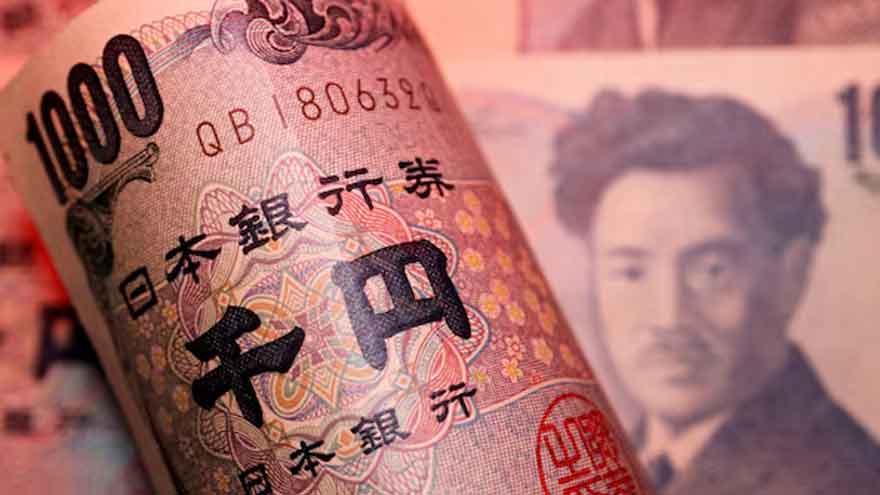
HONG KONG (Reuters) - The Japanese yen stayed under pressure on Friday after the Bank of Japan kept rates unchanged as markets tested Tokyo's resolve in the wake of a coordinated intervention to prop up the fragile currency.
The dollar extended gains, to trade up 0.81% at 160.760 yen , after the previous session's dive of 2.4% for its biggest single-day drop since January 2023.
The BOJ kept short-term interest rates steady at 1% as expected, after a hike in June.
Ahead of the rate decision, Japan conducted yen-buying, dollar-selling market intervention in the New York session overnight, a market source told Reuters, pulling the sagging currency from four-decade lows.
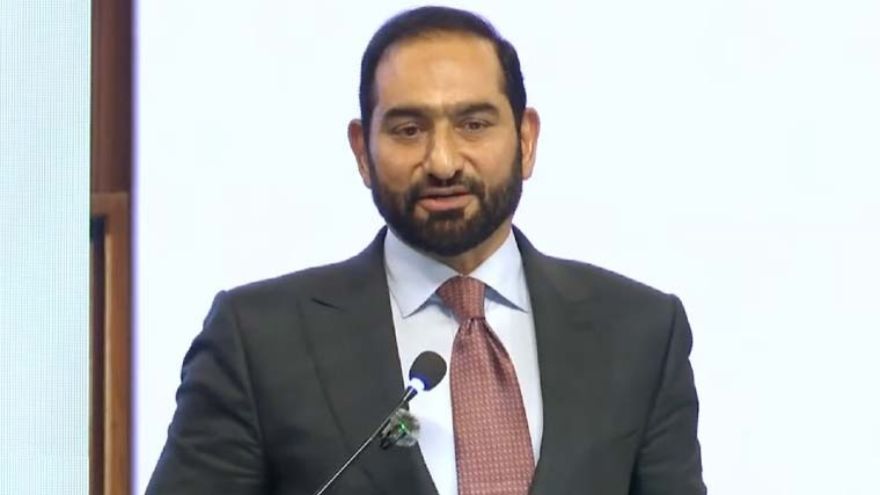
On Friday, Japan's top foreign exchange diplomat said, opens new tab Tokyo was receiving support from the United States that "goes beyond psychological support".
"Coordination is a strong positive for the yen and will definitely make speculators think twice," said Chris Weston, head of research at Pepperstone.
"If you're holding a leveraged position, 450 to 500 pip rip to the downside against you, it's going to hurt."
Speculators have amassed large bearish bets on the yen, with weekly data from a U.S. regulator showing net short positions worth $11.65 billion, near the highest in two years.
In a rare coordinated move, South Korea also conducted dollar-selling intervention on Thursday, a market source told Reuters.
The won rose to a nine-month high before paring some gains, to stand at 1,438.1 against the dollar in early trade, down more than 1%.
BOJ TAKES THE SPOTLIGHT
The BOJ said it would continue to raise interest rates in response to economic, price and financial developments, and would consider the timing and pace of rate hikes while assessing baseline scenario, risks and impact of Middle East developments.
The slow pace of rate hikes has been blamed for pushing the yen to a 40-year low, and most analysts polled by Reuters expect the BOJ to raise rates again to 1.25% by year-end.
"I think the market will push it (dollar/yen) back higher again and we've already seen signs of it this morning," said Nick Twidale, chief market strategist at ATFX Global in Sydney.
"But for me it now brings into question, could we see a surprise hike from the BOJ today. I think it's very unlikely, but given the amount they have spent on intervention, could they look to follow it up with fundamentals?"
The BOJ meeting followed the U.S. Federal Reserve's decision to leave interest rates unchanged, which bruised the dollar as traders questioned whether the Fed's new chief was serious about containing inflation.
That put the dollar on the defensive. The U.S. dollar index , which tracks the currency against six major peers, was a touch higher at 100.12 after the previous session's fall of 0.8%.
It was heading for a weekly drop of 1.3% and a loss of 1% for the month.
The euro stood at $1.1517 , down 0.08% so far in Asia, after the previous session's six-week high. Sterling was flat at $1.3460 .
The Aussie and Kiwi dollar were down roughly 0.1% at $0.7030 and $0.5871, respectively.