Summary Officials briefed the PM that renewable sources currently account for 55 percent of Pakistan’s electricity generation, compared to 45 percent from fossil fuels.
ISLAMABAD (Web Desk) - Pakistan’s power supply has remained stable despite disruptions to oil supplies caused by the ongoing Iran war and tensions in the Middle East, Prime Minister Shehbaz Sharif said on Tuesday, attributing the stability to the country’s growing share of renewable energy.
The remarks come as the Iran-Israel-United States conflict has disrupted global energy markets and shipping routes, particularly through the Strait of Hormuz, a key corridor for oil supplies, raising concerns over energy security for import-dependent countries like Pakistan.
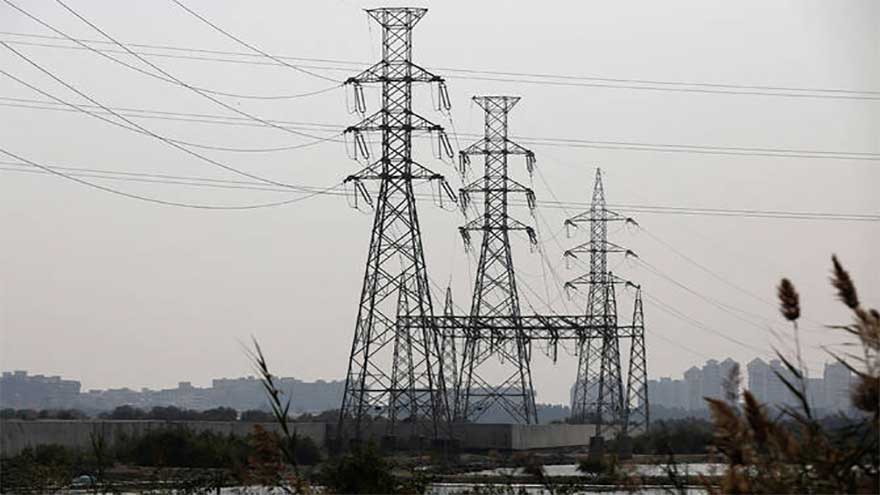
Pakistan relies heavily on imported fuel, with most of its oil sourced from Gulf countries, making it vulnerable to supply shocks during regional crises. However, an increasing share of renewable energy in the power mix has helped cushion the impact of recent disruptions.
Pakistan’s solar boom has pre-empted more than $12 billion in fossil fuel imports since 2020 and could save another $6.3 billion in 2026 at current prices, according to think tanks Renewables First and the Center for Research on Energy and Clean Air.
“Despite disruptions in oil supply due to the tense situation in the region, no energy crisis has emerged in the country because of the adequate share of renewable energy in electricity generation,” the prime minister said in a statement after he was briefed on “long-term planning for electricity supply in view of future requirements” amid the Middle East war.
Officials briefed the PM that renewable sources currently account for 55 percent of Pakistan’s electricity generation, compared to 45 percent from fossil fuels.
They added that work is underway to increase the share of renewable energy to 90 percent over the next ten years, reducing reliance on fossil fuels to 10 percent.
The South Asian country has boosted solar electricity generation by over three times the global average in 2025, fueled by a more than fivefold rise in solar capacity imports since 2022, according to data from Ember.
That combination of rapidly rising capacity and generation had propelled solar power from Pakistan’s fifth-largest electricity source in 2023 to its largest in 2025.