Summary “Coordinated action between policymakers, regulators and the business community is indispensable right now.”
KARACHI (Web Desk) - The Federation of Pakistan Chambers of Commerce and Industry (FPCCI) on Monday urged the government to declare an “energy emergency” to shield the country’s economy from an intensifying conflict between the United States, Israel and Iran.
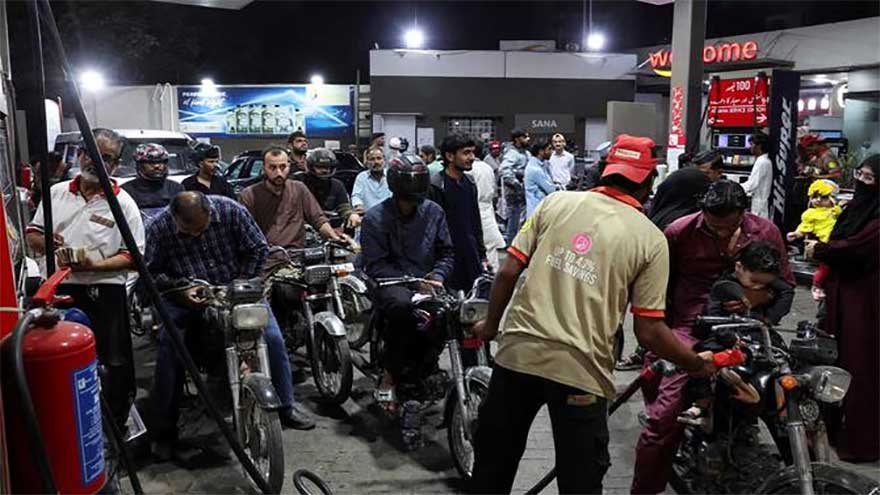
The Federation of Pakistan Chambers of Commerce and Industry (FPCCI) said the regionally uncompetitive petroleum prices, already raised by an exorbitant Rs55 ($0.20) per liter last week, and the continuity of key policy rate at 10.5 percent will cause Pakistan’s cost of doing business to soar to unsustainable levels.
FPCCI President Atif Ikram Sheikh urged the federal government to declare an immediate energy emergency and implement reliable contingency measures to insulate Pakistan’s fragile economic recovery and its exports from the severe fallout of the ongoing conflict in the Middle East.
“While the current 28-day petroleum reserve offers a brief buffer, it is insufficient for an extended regional conflict. We are exposed to a severe economic shock if tensions persist,” he said in a statement.
“Coordinated action between policymakers, regulators and the business community is indispensable right now.”
Shekh noted that war-risk classifications have driven marine insurance premiums drastically higher, while freight costs on major shipping routes have spiked by up to 300 percent, with daily LNG freight rates jumping by more than 40 percent.
“Supply chain delays on the back of rerouting shipments away from the Gulf is projected to add 15 to 20 days to transit times for Pakistani exports heading to key markets in the European Union, the UK and the United States,” he said.
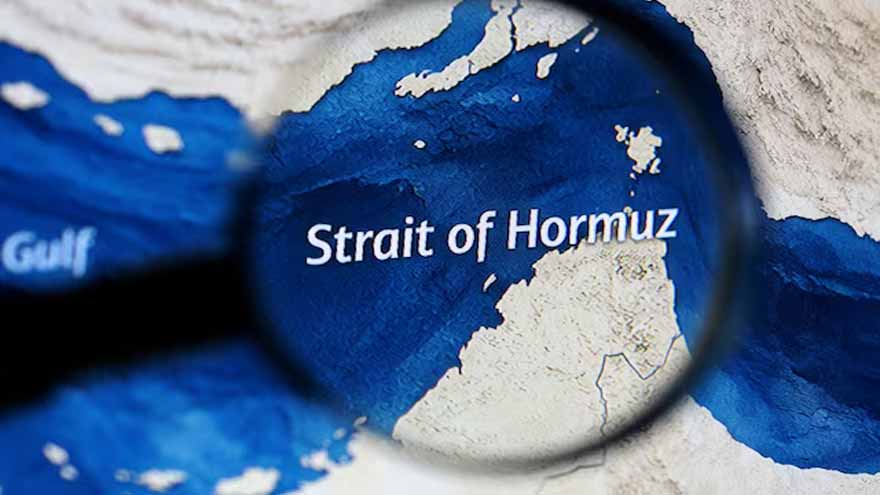
Sheikh’s statement came as Pakistan’s government deliberated measures to conserve fuel as the Middle East conflict intensified, with no signs of either side letting up. Islamabad has also sought Saudi Arabia’s help in securing oil supplies through the Red Sea route as the Strait of Hormuz remains closed for trade.