Summary Zafar Masud, CEO of Bank of Punjab, has been elected chairman of the Pakistan Banks Association as it announced a new 16-member committee.
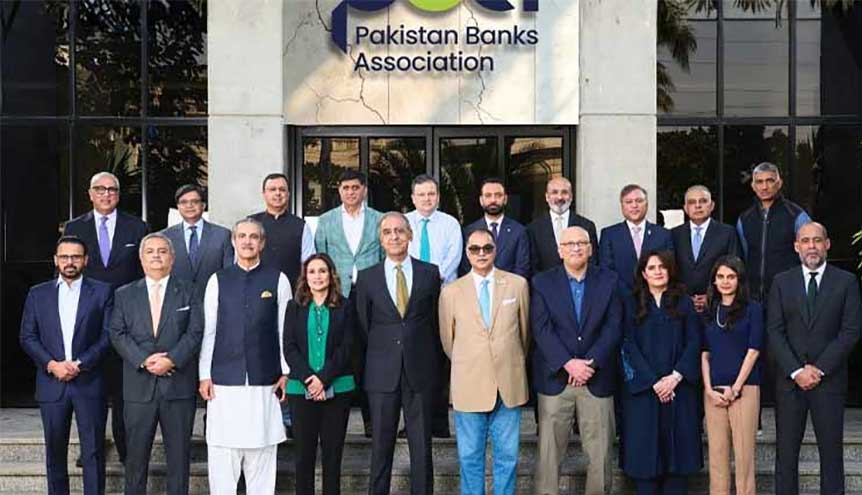
KARACHI (Dunya News) – The Pakistan Banks Association (PBA) has elected Zafar Masud, President and CEO of the Bank of Punjab, as its new chairman. The decision came after the PBA announced its newly formed 16-member executive committee, which now includes two women and eight newly inducted member banks, a move described as a big step toward broader representation and inclusion in the banking sector.
Speaking on the occasion, Zafar Masud said the newly reshaped executive committee marks a turning point and reflects an evolutionary shift in leadership. He added that a more diverse and expanded membership will help PBA push forward the national economic agenda, including reducing credit gaps in key sectors, promoting financial inclusion through digital solutions, and supporting Pakistan’s sustainable economic recovery, M a challenge that requires all hands on deck.
Under the new leadership structure, Nasser Salim, President and CEO of Habib Bank Limited, has been appointed senior vice chairman, while Yousaf Hussain, President and CEO of Faysal Bank Limited, has been named vice chairman. Salim stressed the importance of stability and a strong compliance framework amid global economic pressure, while Hussain underscored modernization, technology adoption and institutional agility to keep Pakistan’s banking industry fit as a fiddle and competitive in the region.
Commenting on the development, Munir Kamal, CEO and Secretary-General of the PBA, said the committee’s expansion, especially the historic inclusion of women, reflects the association’s commitment to diversity and modern leadership.
Under this new setup, the PBA aims to work closely with the State Bank of Pakistan, Ministry of Finance and the federal government to strengthen cooperation in infrastructure development, enhance private sector lending for agriculture and SMEs, and continue pushing the country’s digital transformation — a task easier said than done, but crucial for Pakistan’s future.