Summary The Iranian president also defended the Islamabad MoU signed between Iran and the United States, rejecting suggestions that Tehran had surrendered its interests or made significant concessions
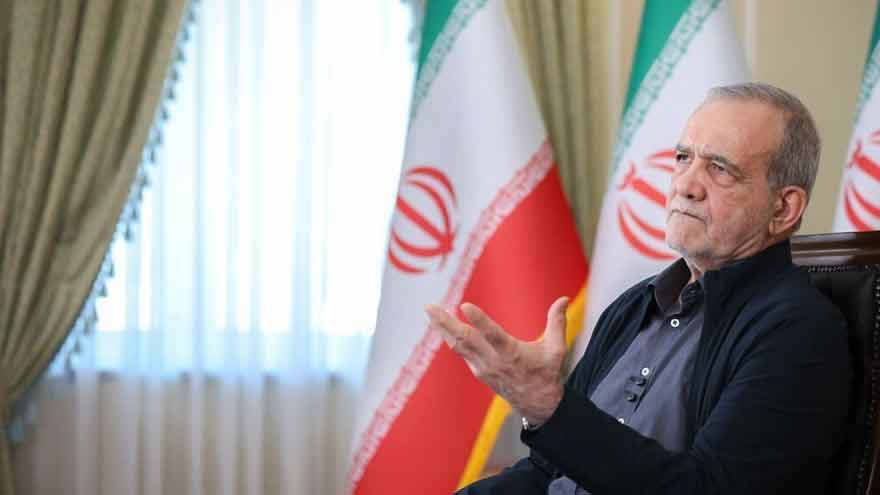
TEHRAN (Web Desk) - Iranian President Masoud Pezeshkian has said that the current moment represents the “best time” for Tehran to reach an agreement with the United States, arguing that Iran has emerged from the recent conflict with greater unity and strength and is viewed domestically as having prevailed.
Speaking to the media, Pezeshkian said Iran could use the current situation to pursue its demands through diplomacy, provided Washington recognised and guaranteed what he described as the rights of Iran and its people.
“If there is sometimes talk of reaching an agreement, I believe that now is the best time for an agreement,” Pezeshkian said, according to remarks carried by Iran’s state news agency IRNA.
He cited what he described as cohesion, strength and unity inside Iran and said the country was considered “victorious and powerful” in the conflict.
Pezeshkian said Tehran was seeking an understanding that would protect Iran’s fundamental beliefs and values while preventing its adversaries from seeing an opportunity to launch another attack.
“Almost every day we discuss how we should manage this process so that we can get out of the situation of neither war nor peace,” he said, adding that Iran wanted to reach an understanding through which its core principles would be preserved.
Pezeshkian Defends Islamabad MoU
The Iranian president also defended the Islamabad Memorandum of Understanding signed between Iran and the United States, rejecting suggestions that Tehran had surrendered its interests or made significant concessions.
“You will not find any clause in it that we have surrendered anything there,” Pezeshkian said, according to remarks carried by IRNA.
He challenged critics to compare the text of the agreement with interpretations published by foreign news organisations, arguing that the document should be judged on the basis of what it actually contains.
BREAKING: Iranian President Masoud Pezeshkian says the war must end at some point, and that his country is determined to adopt the memorandum of understanding as a basis, provided the US abandons the atmosphere of distrust it has created.
— Al Jazeera Breaking News (@AJENews) August 8, 2026
More on https://t.co/5H0QqpggO4 pic.twitter.com/dkcNZYUBvF
“Are they saying we surrendered? Did we fail?” he said, insisting that Tehran stood firmly by the commitments and provisions it had put in writing.
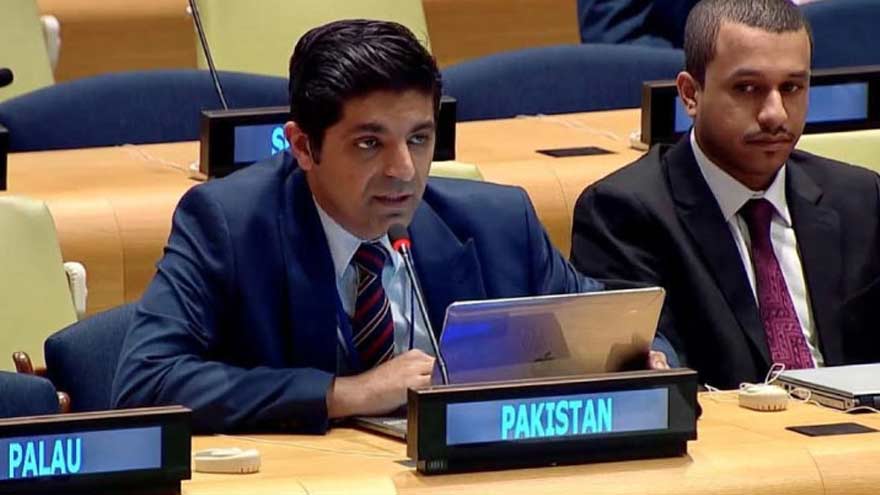
The Islamabad MoU, reached with Pakistan playing a mediating role, has become a central element of efforts to halt the Iran-US conflict.
Iran Says US, Israel Failed to Create Internal Division
Pezeshkian also argued that the calculations of Iran's adversaries had been based on the expectation that military pressure would trigger internal divisions and weaken the country from within.
He said the strategy had failed because Iranians had maintained social cohesion in the face of the conflict.
“The reason they are doing these things is that all their calculations were that if they attacked, Iran would be torn to pieces; but this did not happen,” Pezeshkian said.
He attributed the failure of those calculations to what he described as unity among the Iranian people.
“This was due to the cohesion that was created,” he said.
“The United States, Israel and their analysts themselves know that a country can no longer be forced to surrender and accept demands through war and missiles, but this can be done through disagreement, division and internal conflicts,” he said, according to IRNA.
Tehran Says Regional Ties Are Improving
Pezeshkian also said Iran's relations with neighbouring countries were improving despite tensions caused by the conflict.
He pointed specifically to cooperation with Pakistan, Afghanistan and Turkmenistan, while also crediting Russia and Iraq with supporting Iran during the crisis.
“Pakistan is now cooperating with all its might. Afghanistan is also cooperating very well. Turkmenistan is cooperating well; Russia and Iraq also helped us well,” he said.
Regarding Azerbaijan, Pezeshkian acknowledged the existence of political differences but said dialogue and interaction between the two sides had continued.
His comments came amid broader efforts by Tehran to strengthen relations with neighbouring and regional states as it navigates the aftermath of the conflict and attempts to prevent further escalation.
Pezeshkian Defends Iran's Response to Gulf Attacks
Asked about attacks involving Gulf countries, Pezeshkian described the circumstances as complicated but defended Iran's decision to respond when it believed its territory was being attacked from another country's territory.
“We could not allow Iran to be attacked from the territory of a country and not respond,” he said.
At the same time, he emphasised that relations with regional states were improving despite those tensions.