Summary 188 have died from hunger, the Health Ministry said
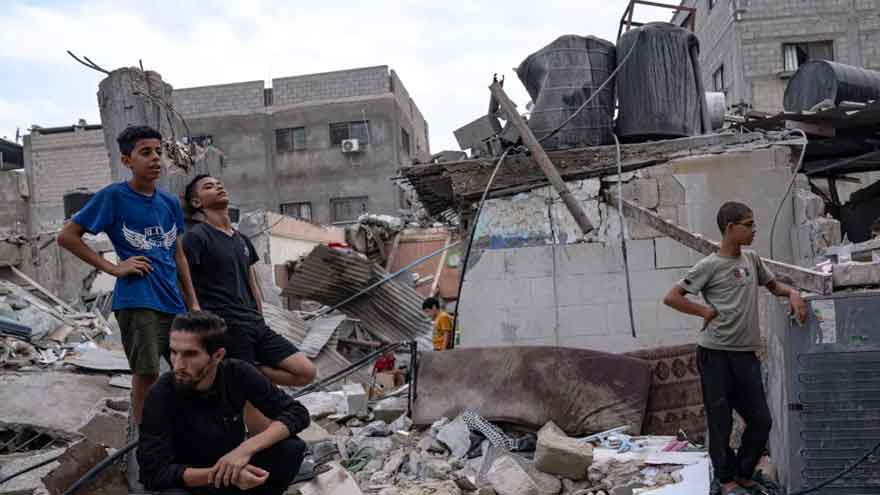
(Web Desk) - At least 61,020 Palestinians have been killed in Israel’s genocidal war on the Gaza Strip since October 2023, including 188 who have died from hunger, the Health Ministry said on Tuesday.
A ministry statement said that 87 bodies were brought to hospitals in the last 24 hours, while 644 people were injured, taking the number of injuries to 150,671 in the Israeli onslaught.
The ministry also said that eight more people died from starvation and malnutrition over the past day, pushing the death toll since October 2023 to 188, including 94 children.
It also noted that 52 Palestinians were killed and 352 injured while trying to get humanitarian aid in the past day, bringing the total number of Palestinians killed while seeking aid to 1,568, with over 11,230 others wounded since May 27.
On Friday, Unicef warned that children in Gaza are dying at an “unprecedented rate” amid famine and deteriorating conditions caused by Israel’s war.
According to estimates by the World Food Program (WFP), one in four Palestinians in Gaza faces famine-like conditions, and 100,000 women and children are suffering from acute malnutrition.
The Israeli army resumed its attacks on the Gaza Strip on March 18 and has since killed 9,519 people and injured 38,630 others, shattering a ceasefire and prisoner exchange agreement that took hold in January.
Last November, the International Criminal Court issued arrest warrants for Israeli Prime Minister Benjamin Netanyahu and his former Defense Minister Yoav Gallant for war crimes and crimes against humanity in Gaza.
Israel also faces a genocide case at the International Court of Justice for its war on the enclave.
The United Nations said with 96 percent of households lacking clean water, many malnourished children are not surviving long enough to receive hospital care.
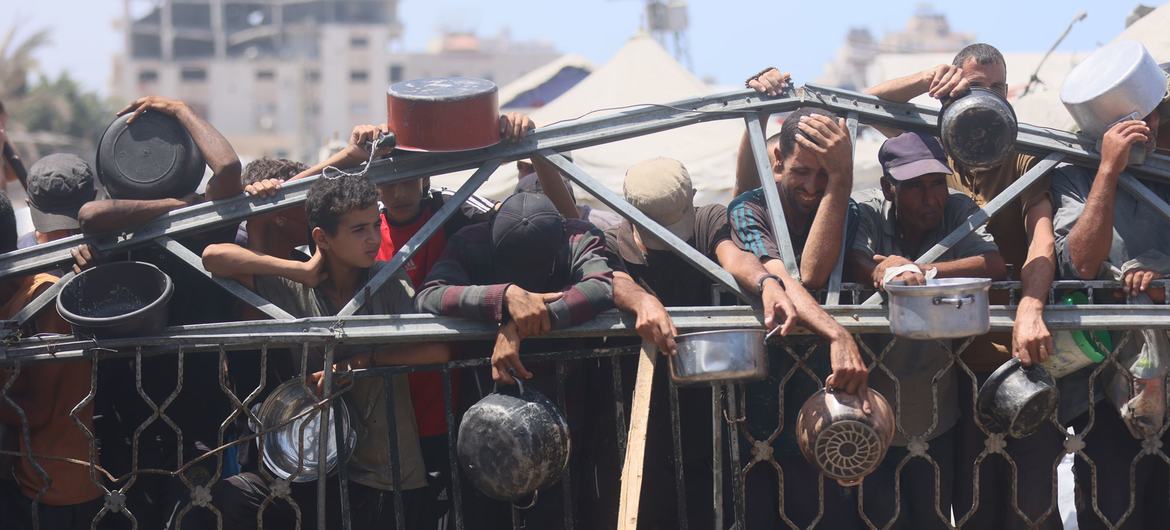
James Elder, Spokesperson for the UN Children’s Fund (Unicef), said at a news briefing in Geneva that it would be a mistake to assume the situation is improving.
“There’s a sense through the world’s press that things are improving,” he said. “But unless there is sustained humanitarian aid...there will be horrific results.”
He emphasised the scale of need: “When food comes in which supports 30,000 children, there are still 970,000 children not getting enough. It is a drop in the ocean.”
Aid still a trickle
The UN relief coordination office, OCHA, said that although unilateral pauses have allowed some aid into Gaza, the current trickle is vastly insufficient.
“There should be hundreds and hundreds of trucks entering Gaza every day, for months or years to come,” said Jens Laerke, OCHA spokesperson. “People are dying every day. This is a crisis, on the brink of famine.”
Thousands of tons of pre-funded aid remain stuck just outside the enclave, he added, as bureaucratic delays and lack of safe access continue to block distribution.
Urgent scale-up needed
In New York, UN Deputy Spokesperson Farhan Haq also noted the impediments to bringing in and distributing sufficient aid.
“Massive food shortages continue to impact people’s chances for survival,” he said. “As malnutrition levels rise, children’s immune systems are weakened, hindering their development and growth far into the future.”
Last Thursday alone, 71 kitchens delivered over 270,000 hot meals across Gaza, including 10,000 to health facilities. But that figure falls far short of what’s needed to feed more than two million people.
“We need an urgent scale-up of supplies, as well as an environment that allows humanitarians to reach people in need safely, rapidly and efficiently,” Mr. Haq added.
Health challenges continue
Some medicine has entered Gaza in recent days, but supplies remain limited. Health workers continue to operate under extreme pressure and shortages.
The World Health Organization (WHO) reported 46 cases of Guillain-Barré syndrome in July, including two deaths. The condition, which affects the nervous system, has been linked to compromised immunity, poor nutrition and hygiene-related infections.
The situation of pregnant women and nursing mothers is equally alarming. The UN reproductive health agency, UNFPA, said that 40 per cent of pregnant or breastfeeding women are suffering from severe malnutrition, with newborn deaths and stillbirths on the rise.
Meanwhile, three UN fuel tankers reached Gaza City on Monday. The fuel will power critical health, water and sanitation services, but OCHA stressed this only allows operations to run at “bare minimum” capacity.