



Demographics and grievances jaundice Israel's judicial divide
World
Demographics and grievances jaundice Israel's judicial divide
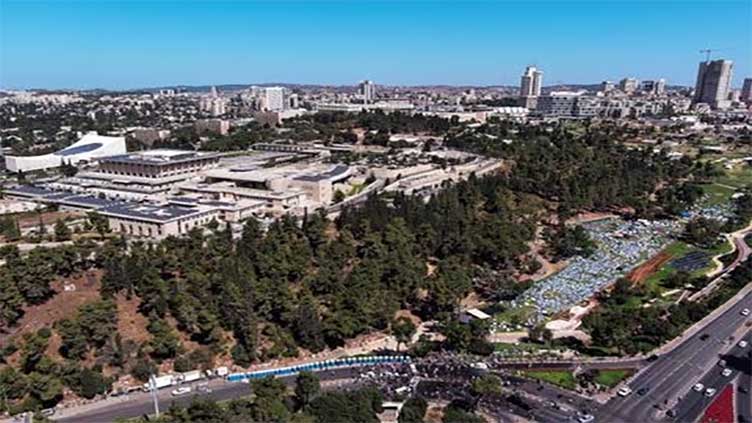
JERUSALEM (Reuters) - As Israel's judicial crisis reached crescendo, rival demonstrators passed each other on the escalators of a Jerusalem metro station - some arriving to picket parliament and others headed to Tel Aviv for a counter-rally backing the government.
Both sides carried national blue-and-white flags and placards promoting democracy. Polite smiles and sportsmanly high-fives were exchanged across the handrails.
But for many Israelis, the two camps - one rising, the other on its way down - are more polarised than ever. For them, the first reform ratified on Monday, which curbs some Supreme Court review powers, is a symptom rather than a cause of the rifts.
Those most vocally favouring such legislation are largely religious-nationalists who, by mobilising their growing numbers, helped Prime Minister Benjamin Netanyahu return to office in December.
The reforms serve their concrete causes, such as expanding West Bank settlements or securing military draft waivers for Jewish seminary students, as well as a more generalised push-back at perceived court overreach and liberal cultural drift.
That pits them against Israelis whom opposition leader Yair Lapid styles as the productive middle-class, and who have seen the once-dominant centre-left parties fade as their modest family sizes fall behind the conservative camp's birth rates.
Blindsided by the pace and scale of the reforms, some protesters have vowed to withhold taxes and stop reporting for military reserve duty.
"There will be no normal life in Israel," Shikma Bressler, a 43-year-old physics professor and protest organiser, told Reuters. "Netanyahu and his government of extremists are dragging us down the rabbit hole."
Critics accuse Netanyahu of trying to tear up the delicate socio-legal contract which Israel - calling itself both a Jewish state and a democracy - has in lieu of a constitution. Many pro-government Israelis view the seven months of nationwide demonstrations as an attempt to undermine their ballot victory.
"I am here today to make it clear to the people that I have elected, to the people that I have voted for to the people that I support, that I am 100% in favour of the judicial reforms," Aviya Cohen, a law student, said at the Tel Aviv demonstration.
She accused the protesting reservists of attempting a "military coup".
