


Russia hits Ukraine's grain for fourth day, practises seizing ships
World
Russia hits Ukraine's grain for fourth day, practises seizing ships
KYIV (Reuters) - Russia pounded Ukrainian food export facilities for a fourth day in a row on Friday and practised seizing ships in the Black Sea in an escalation of what Western leaders say is an attempt to wriggle out of sanctions by threatening a global food crisis.
The direct attacks on Ukraine's grain, a key part of the global food chain, followed a vow by Kyiv to defy Russia's naval blockade on its grain export ports following Moscow's withdrawal this week from a UN-brokered safe sea corridor agreement.
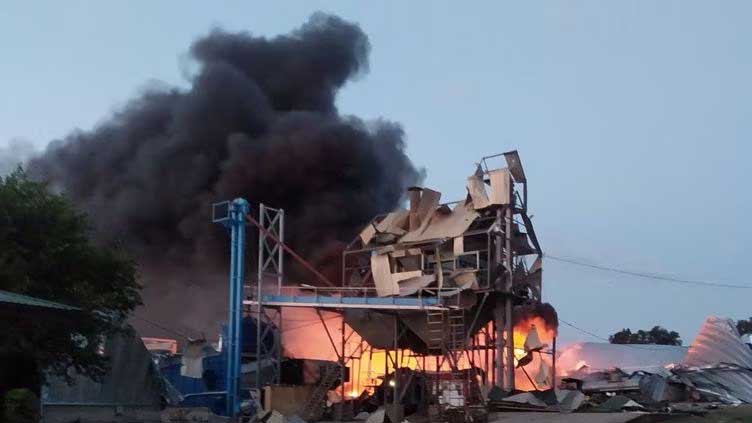
"Unfortunately, the grain terminals of an agricultural enterprise in Odesa region were hit. The enemy destroyed 100 tons of peas and 20 tons of barley," regional governor Oleh Kiper said on the Telegram messaging app.
Two people had been injured, he said. Photographs released by the emergencies ministry showed a fire burning among crumpled metal buildings that appeared to be storehouses, and a badly damaged fire-fighting vehicle.
Moscow has described the attacks as revenge for a Ukrainian strike on a Russian-built bridge to Crimea - the Ukrainian Black Sea peninsula illegally annexed by Moscow in 2014.
Russia said on it would deem all ships heading for Ukrainian waters to be potentially carrying weapons from Thursday, in what Washington called a signal it might attack civilian shipping. Kyiv later responded by issuing a similar warning about ships headed to Russia.
Russia's defence ministry on Friday said its Black Sea fleet had practised firing rockets at "floating targets" and apprehending ships. Moscow's ambassador to Washington denied any plan to attack ships.
The attacks on grain export infrastructure and perceived threat to shipping drove up prices of benchmark Chicago wheat futures on Friday towards their biggest weekly gain since the February 2022 invasion, as traders worried about supply.
The U.N. Security Council was due to meet later over the "humanitarian consequences" of Russia's withdrawal from the safe corridor deal, which aid groups say is vital to stem growing hunger in a string of poorer countries.
The president of Turkey, which brokered the deal alongside the U.N. said, he hoped planned talks with Russian President Vladimir Putin could lead to the restoration of the initiative.
The end of the deal could lead to rising global food prices, scarcity in some regions and potentially new waves of migration, Tayyip Erdogan told reporters on a flight back from a trip to Gulf countries and northern Cyprus.
The West should listen to some of Russia's demands, he said. "We are aware that President Putin also has certain expectations from Western countries, and it is crucial for these countries to take action in this regard."
Moscow says it will not participate in the year-old grain deal without better terms for its own food and fertiliser sales.
Western leaders have accused Russia of seeking to loosen sanctions imposed over its invasion of Ukraine, which already exempt exports of Russian food. Russian grain has moved freely through the Black Sea to market throughout the conflict and traders say Russia is pouring wheat onto the market.
