Summary Ceremonies are held across the city to remember those who lost their lives due to the atomic blast
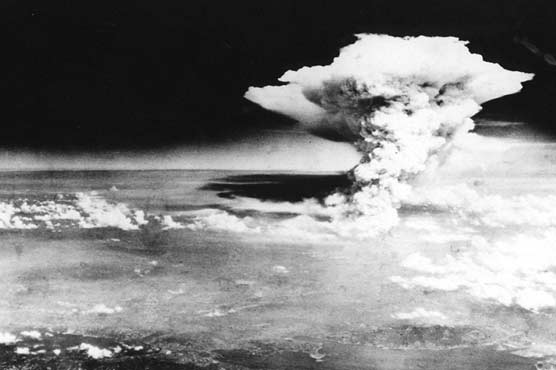
LAHORE (Web Desk) – Seventy-one years back, United States of America dropped a gun-type uranium atomic back on the Japanese city of Hiroshima during the concluding stages of the Second World War.
Summarising the Hiroshima atomic blast
Being the first ever use of an atomic bomb during a conflicted situation, the attack left over a hundred thousand people dead whereas scores were injured. The radiations caused as a result of the explosion caused mutation among a significant portion of the population, the effects of which passed from one generation to the other.
Three days after the attack on Hiroshima, United States dropped a plutonium-based implosive atomic bomb on August 9, 1945, on the city of Nagasaki. The casualties as a result of this attack were reported to be around 80 thousand whereas the radiation effects were also experienced.
History:
The Allied forces had been working on a plan to attack Japan and take over the country in the decisive phase of WW2. Operation Downfall was intended to begin on November 1945 with the occupation beginning from southern Japan. However the plan never got implemented since the Empire of Japan surrendered three months prior to its implementation.
Aerial bombings were being conducted on Japan since 1944 with the help of B-29 Superfortress bombers. Millions of Japanese lost their lives as a result of these series of bombings with the most prominent one being carried out between March 9 to 10, 1945, under the name of Operation Meetinghouse conducted on Tokyo that resulted in the death of thousands of Japanese civilians.
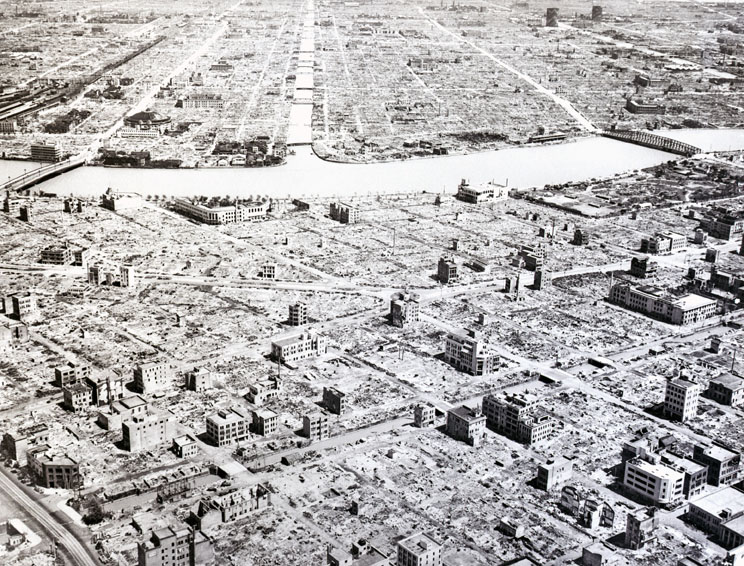
Tokyo in ruins following Operation Meetinghouse
Despite the offensive, the Japanese continued fighting back. US, along with the United Kingdom and China, demanded Japan to surrender unconditionally in the Potsdam Declaration in July 1945 but the Japanese placed the warnings at their backs and continued fighting.
Making the atomic bombs:
The Americans were working in collaboration with the Canadians and the British in order to come up with an atomic bomb. The first atomic bombs were manufactured in the Manhattan project with Oppenheimer leading the project’s laboratory in New Mexico that developed the initial two types of bombs used for the bombings in Japan.
US president Harry Truman delayed the summit in which the Potsdam Declaration was to be made for two weeks in order to ensure that the atomic bombs get fully tested. During the conference, the Allies warned Japan of severe consequences if the Empire decides not to surrender.
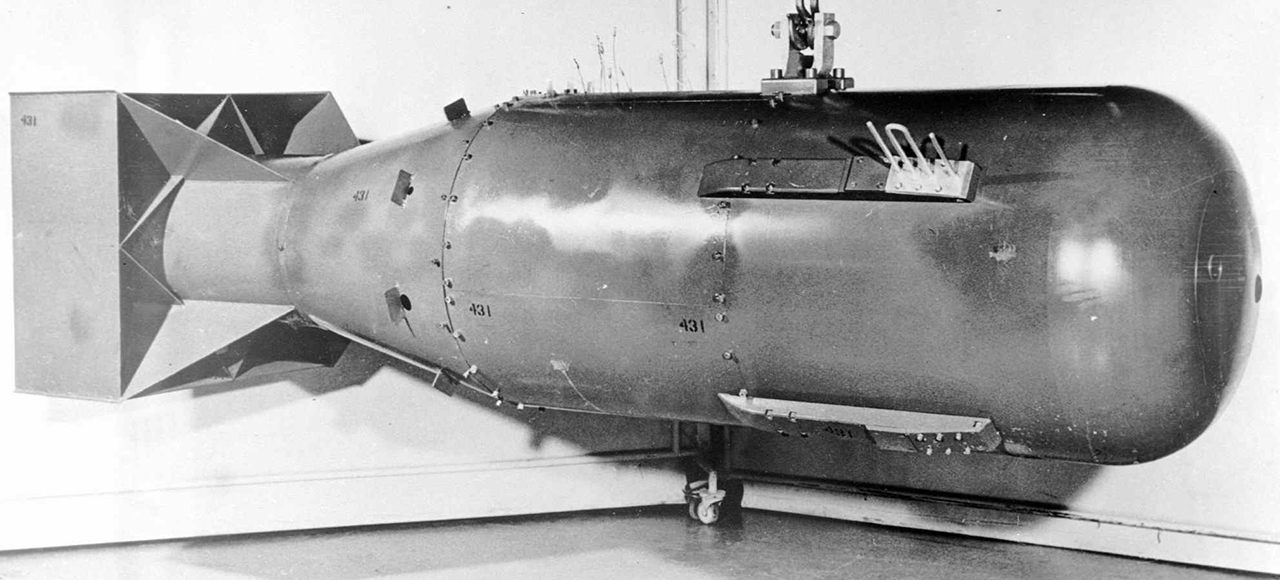
Little Boy (bomb dropped over Nagasaki)
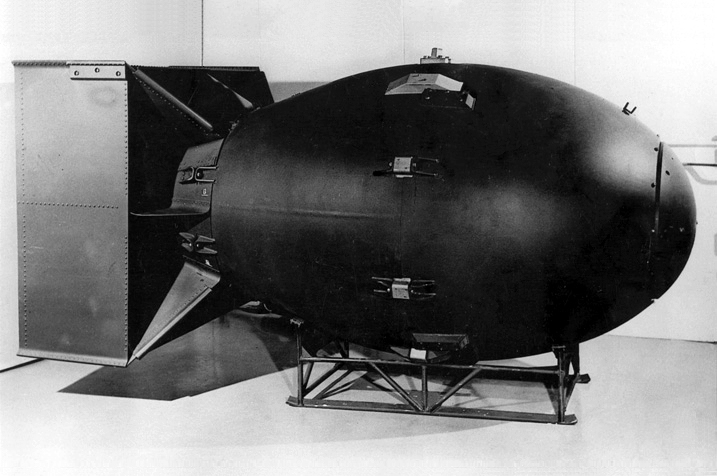
Fat Man (bomb dropped over Nagasaki)
Bombing of Hiroshima:
The atomic bomb, Little Boy, that was to be dropped on Hiroshima was loaded on ‘Enola Gay’ (named after the mother of the plane’s captain, Paul Tibbets) which was a Boeing B-29 bomber in the island of Tinian located in the Pacific Ocean on August 6 with the a total flight time of 6 hours.
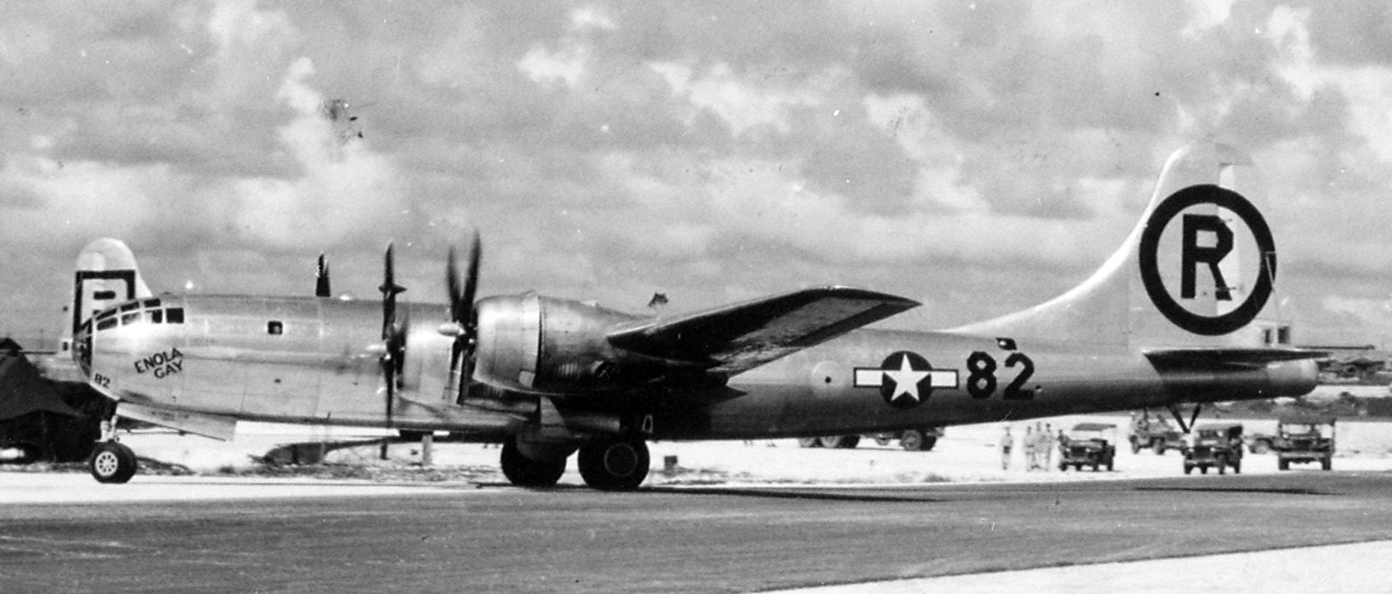
Enola Gay
Things went according to plan and the bomb was released at Hiroshima at 08:15 local time. It took almost 44.4 seconds to reach the ground. The explosion caused a firestorm and shockwaves so powerful that most of the structures present near the blast site were razed. The fireball that was made as a result of the impact was 370 metres high whereas ground temperatures reached 6000 degrees Celsius.
President Truman makes announcement about bombing of Hiroshima
.jpg)
Mushroom cloud formed over Nagasaki due to atomic blast
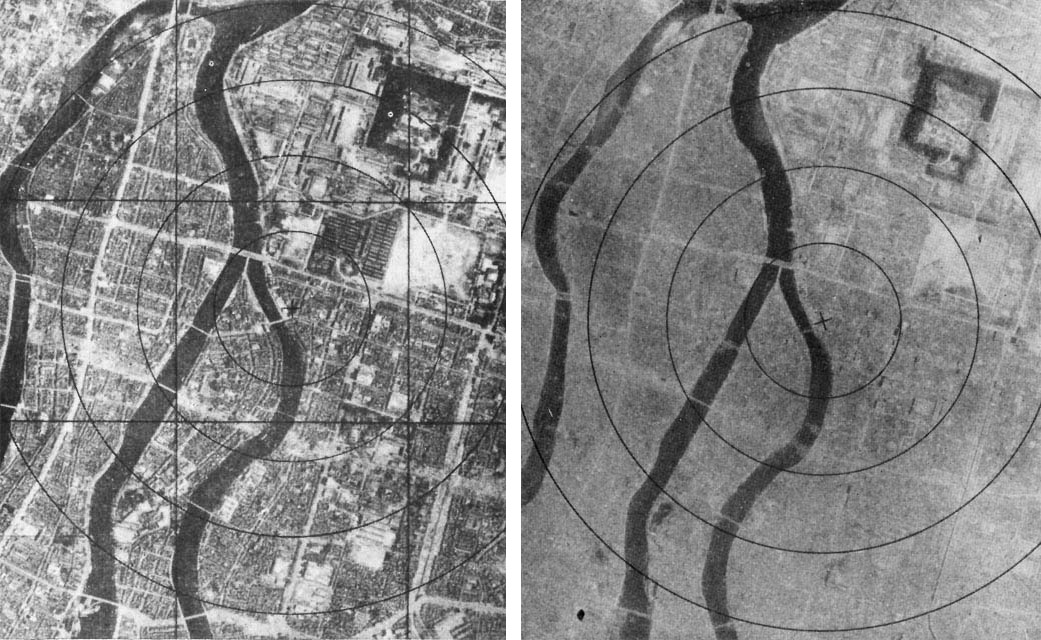
Hiroshima before and after the attack
Consequences:
Almost 80 thousand people lost their lives because of the explosion and the immense surface temperature. Radiation poisoning was another major cause of the deaths. The high-level of radiations caused various kinds of syndromes, including prodromal syndrome, Central Nervous System (CNS) death, gastrointestinal death and bone marrow death.
Animated video of Hiroshima atomic blast
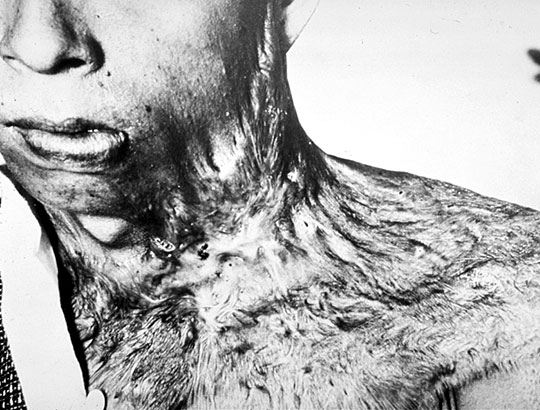
Skin burn caused due to the blast
The long-term effects experienced due to the radiations included cancer, perinatal mortality, In utero effects, cataract induction and various others.
WW2 concludes:
Three days later, US dropped another atomic bomb on Japan, this time on Nagasaki. The bomb (Fat Man) also had severe effects.
On August 15, 1945, Japan surrendered before the Allies thus concluding the Second World War.
President Truman reads about Japanese surrender
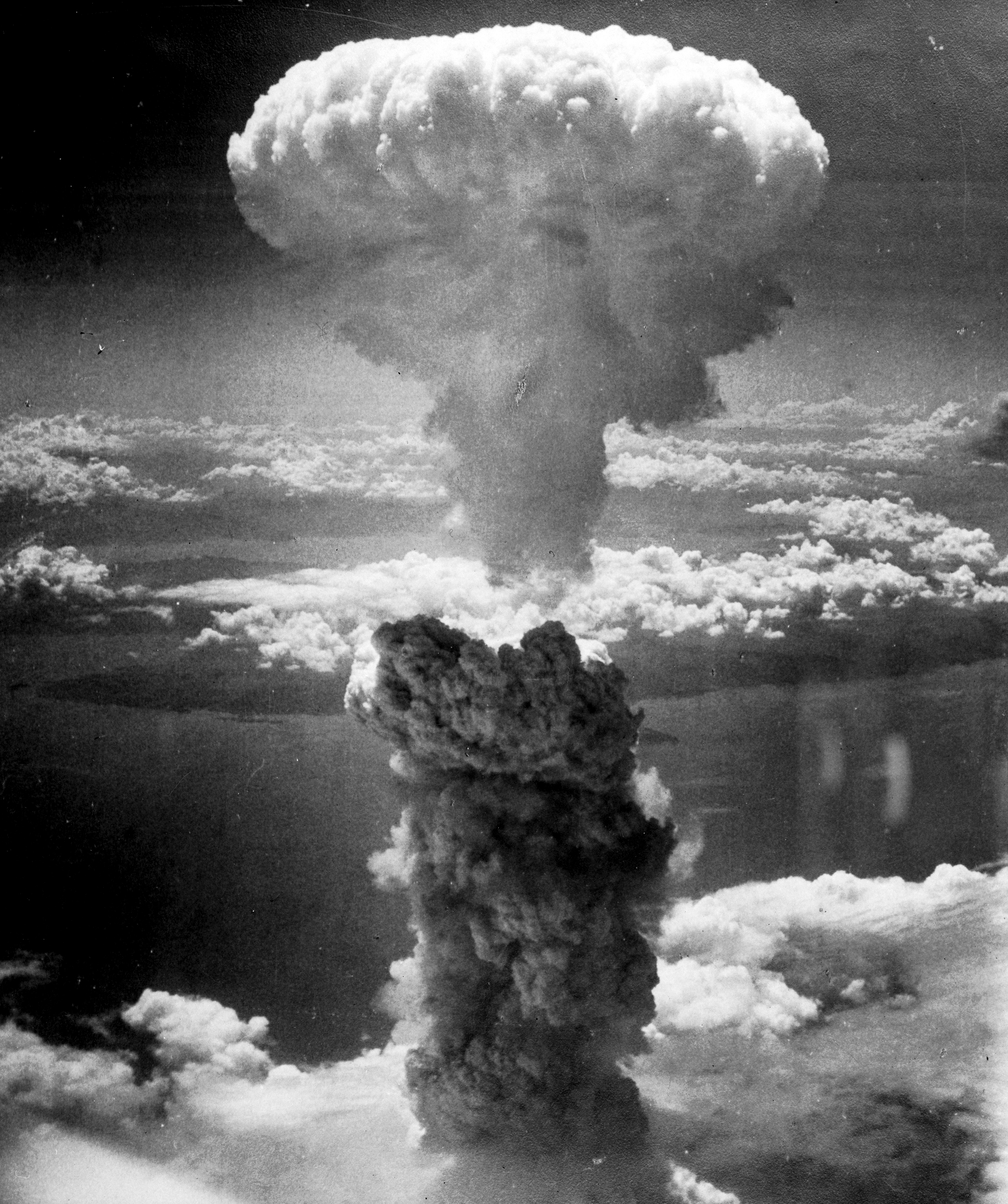
Mushroom cloud over Nagasaki after the atomic blast
Hiroshima Peace Memorial Park and other memorable structures:
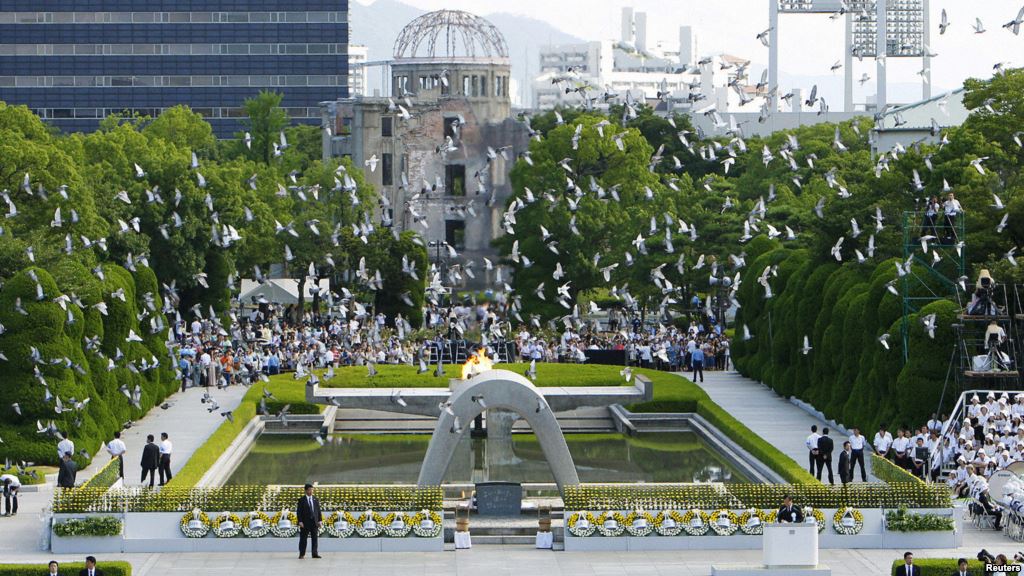
Hiroshima Memorial Park
In 1954, a peace memorial park was built in near the blast site in order to commemorate Hiroshima as the first ever city to be struck with a nuclear attack.
Other key structures developed around the city of Hiroshima include A-Bomb Dome, the Children s Peace Monument and the Rest House in the Hiroshima Peace Memorial Park.
Hiroshima Peace Memorial Museum was constructed in order to educate visitors about the atomic bomb. Furthermore, a Memorial Cenotaph was constructed near the centre of the park. The arc-shaped structure bears the names of all those who lost their lives due to the tragedy.
The Genbaku Dome is a renowned structure that dates back to 1945 and was able to sustain its impact.
Modern-day Hiroshima:
.jpg)
Obama attending 70th ceremony of the attack (2015)
The city of Hiroshima is one of the most important cities of Japan in modern times. Each year, on August 6, the devastation caused as a result of the atomic bomb is remembered as prayer ceremonies are organised for those who lost their lives. International leaders gather in the city and vow to continue efforts to ensure peace and stability in the world while keeping in view the aftermath of manmade weapons.