Summary The government believed the US diplomat was involved "in processes relating to" the Khobragade case.
NEW DELHI (Reuters) - India ordered the United States on Friday to withdraw one of its diplomats from New Delhi, as the Indian consul at the center of the dispute between the two countries flew home after being indicted in New York for visa fraud.
Devyani Khobragade, 39, who was India s deputy consul-general in New York, was arrested on December 12 and indicted on Thursday before being effectively expelled from the country. Her arrest set off a furor in India amid disclosures that she was handcuffed and strip-searched.
She was flying to India on Friday and expected to arrive later in the evening.
The month-long row has soured the broader U.S.-India bilateral relationship, leading to reprisals against American diplomats in New Delhi and the postponement of visits to India by senior U.S. officials and another by a U.S. business delegation.
The deal bringing Khobragade home to India had been expected to help mend the rift, but there was no sign, in the short term at least, that India was ready to forgive and forget.
"We called the U.S. mission to withdraw an officer of similar rank of Devyani as reciprocal action," an Indian official who has knowledge of the decision told reporters.
The official said the government believed the U.S. diplomat was involved "in processes relating to" the Khobragade case. The official did not give more details.
Tit-for-tat withdrawals of embassy staff are common when countries become locked in diplomatic disputes. The U.S. embassy in Delhi and India s foreign ministry did not immediately respond to requests for comment about the move.
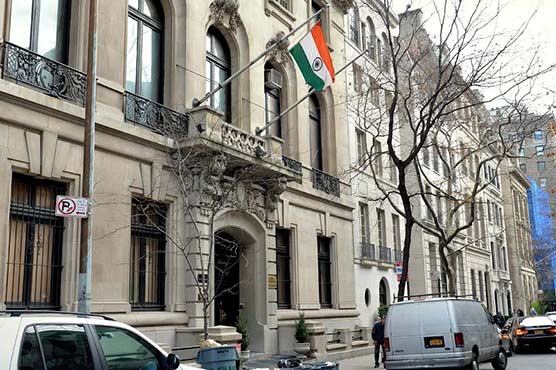
Incensed by the treatment of Khobragade, India removed some security barriers from near the U.S. embassy and reduced the number of embassy staff with diplomatic immunity. On Wednesday, it ordered the embassy to close a club frequented by American expatriates and other foreign residents.
During the crisis, both New Delhi and Washington repeatedly stressed the importance of their bilateral partnership, which includes $100 billion of annual trade. But the Khobragade case dragged on for almost a month before Thursday s breakthrough.
In New York, a federal grand jury indicted Khobragade for visa fraud and lying about how much she paid her housekeeper, but she was allowed to leave after she was transferred to India s U.N. mission and granted a higher level of diplomatic immunity.
Many Indians felt the case was an example of the United States taking its friendship with India for granted and support was strong for the government s tough stand. Middle-class Indians sympathized more with Khobragade than with her housekeeper, who was allegedly overworked and underpaid.