Summary Russia has defended its sales of anti-aircraft systems to regime of Syrian President Bashar Assad.
BEIRUT (AP) - Russia defended its sales of anti-aircraft systems to the regime of Syrian President Bashar Assad, just days after joining forces with the U.S. for a new push to end Syria s civil war through negotiations.
Russian Foreign Minister Sergey Lavrov avoided saying whether those sales included advanced S-300 batteries. Israel has asked Russia to cancel what it said was the imminent sale of the S-300 missiles, portrayed by U.S. Secretary of State John Kerry as destabilizing to Israel s security.
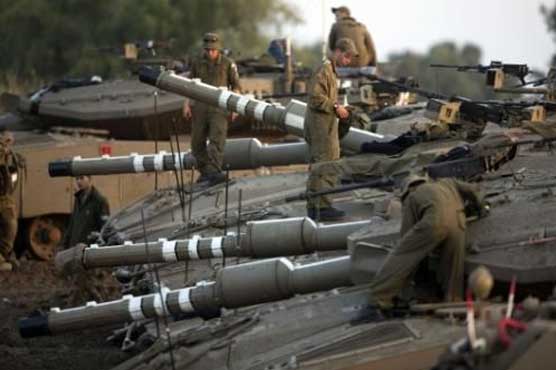
The S-300s would make it harder for the U.S. and other countries to even consider intervening militarily or enforcing a no-fly zone in Syria. The U.S. has urged Russia an Assad ally along with China, Iran and the Lebanese Hezbollah militia to cut off weapons supplies to Syria.
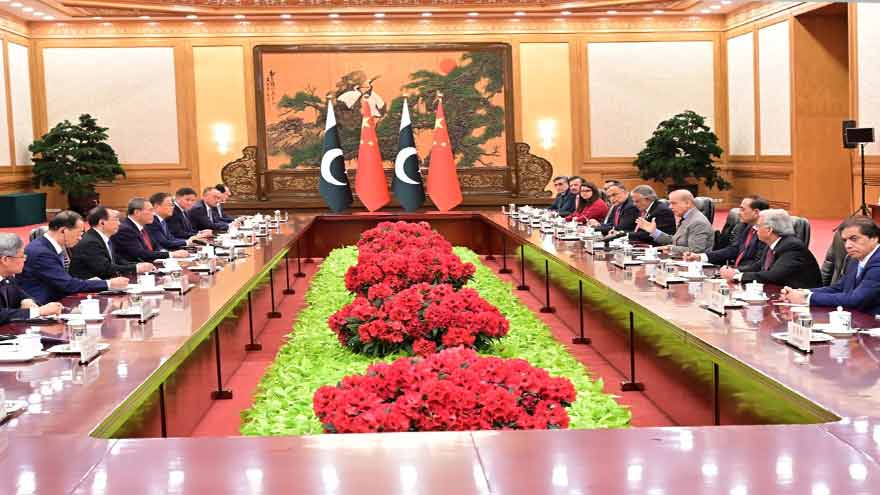
Despite such disagreements, Russia and the U.S. decided this week to convene an international conference to bring representatives of the Assad regime and the opposition to the negotiating table. Such talks would aim at setting up a transitional government. No date has been set.
The regime and the Syrian opposition have welcomed the idea, but with conditions. The opposition says talks can only begin once Assad and his aides have left. The regime says it will keep fighting the rebels, without saying at which stage it would be willing to halt its fire.
The civil war, which began as a popular uprising against Assad in March 2011, has killed tens of thousands of Syrians and displaced several million. The two sides are deadlocked, though the regime has scored recent military gains.
On Friday, the U.N. commissioner for human rights, Navi Pillay, raised alarm over the western rebel-held town of Qusair, close to Lebanon, which has been besieged by Syrian troops for several weeks.
Pillay said her team reported a major troop buildup in the area and noted that an increasing number of residents were being displaced.
The commissioner said she fears atrocities if Qusair is overrun. Last week, regime forces were blamed for killing dozens of civilians in Banias and Bayda, two communities in western Syria.