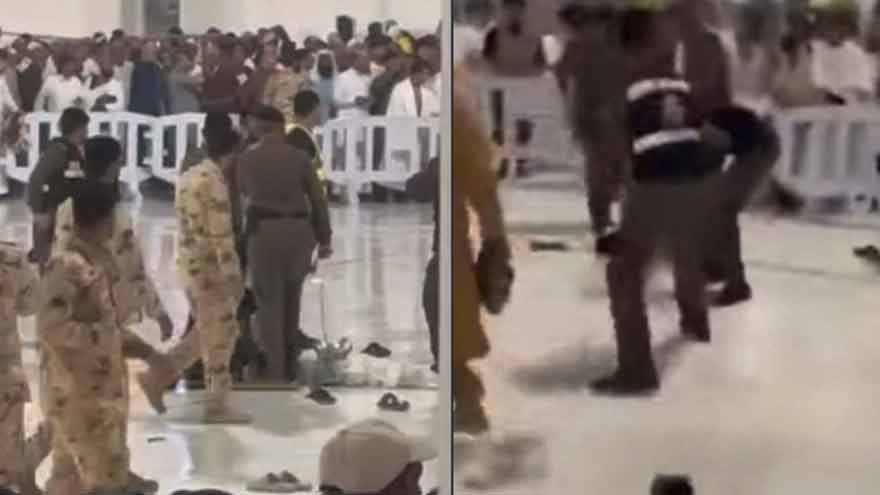
Pakistan vows to defend Saudi Arabia under the Makkah Joint Defence Agreement, while DG ISPR Ahmed Sharif Chaudhry reaffirms Islamabads commitment to regional stability and US-Iran peace efforts.
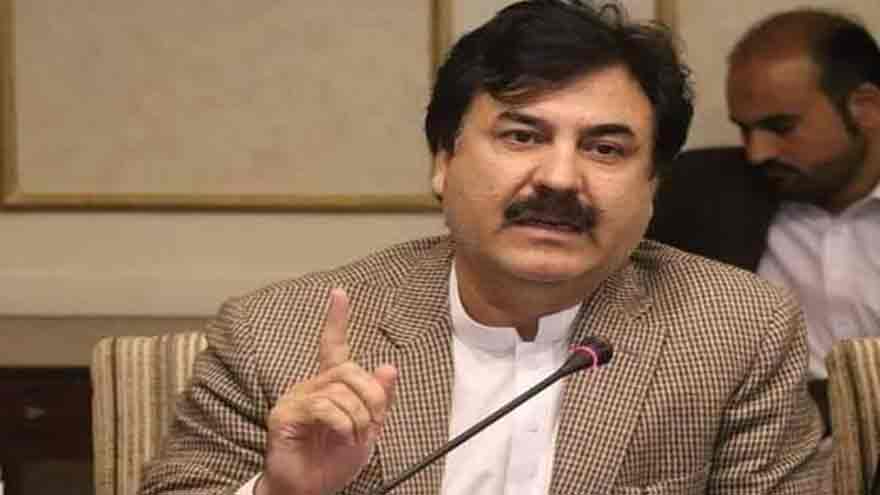
PTI spokesperson Shaukat Yousafzai says the march will continue until Imran Khan's meeting and party demands are fulfilled, welcoming mediation efforts.
PESHAWAR Dunya News Pakistan TehreekeInsaf PTI Khyber Pakhtunkhwa spokesperson Shaukat Yousafzai has said the party s march will continue until a...
Foreign Office Spokesperson Sajjad Haider Khan made the remarks while responding to questions during his weekly media briefing in Islamabad
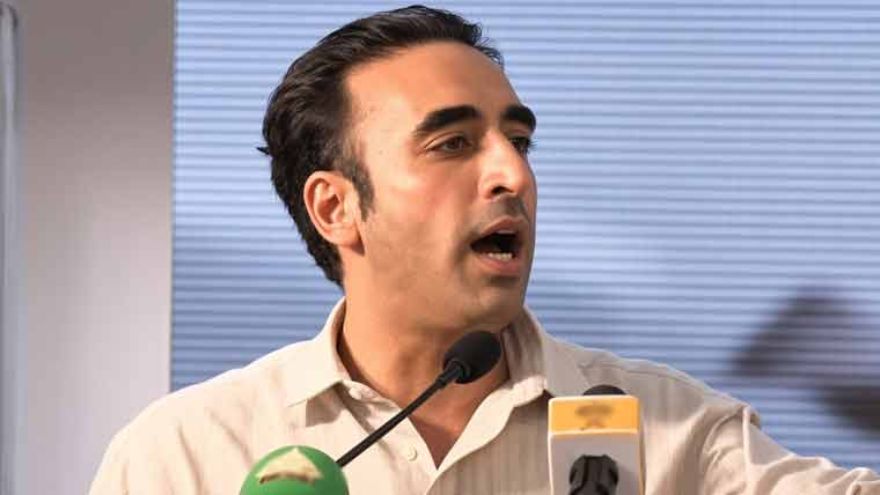
Bilawal Bhutto urges PTI to end political extremism, restore dialogue with rival parties and return to Parliament amid concerns over political tensions in Khyber Pakhtunkhwa.
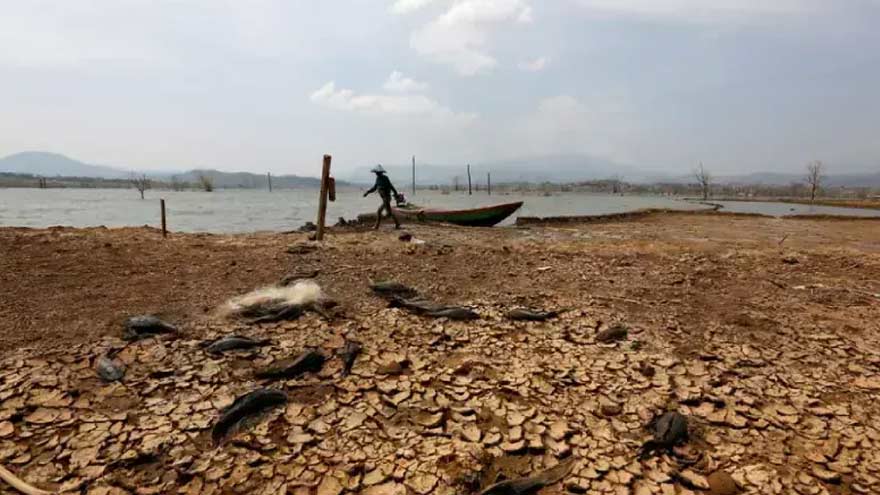
It typically takes place every two to seven years and lasts around nine to 12 months
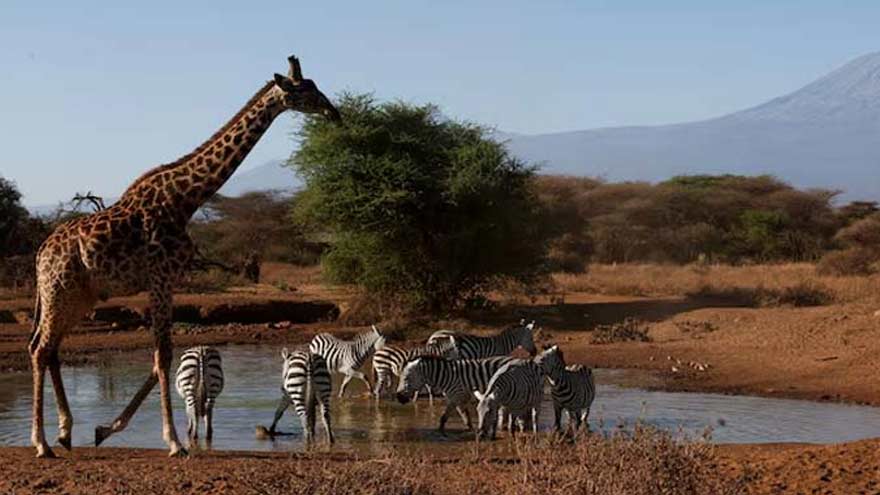
The 2026 Living Planet Report estimates that overall populations fell by an average of around 2.5% per year over the period
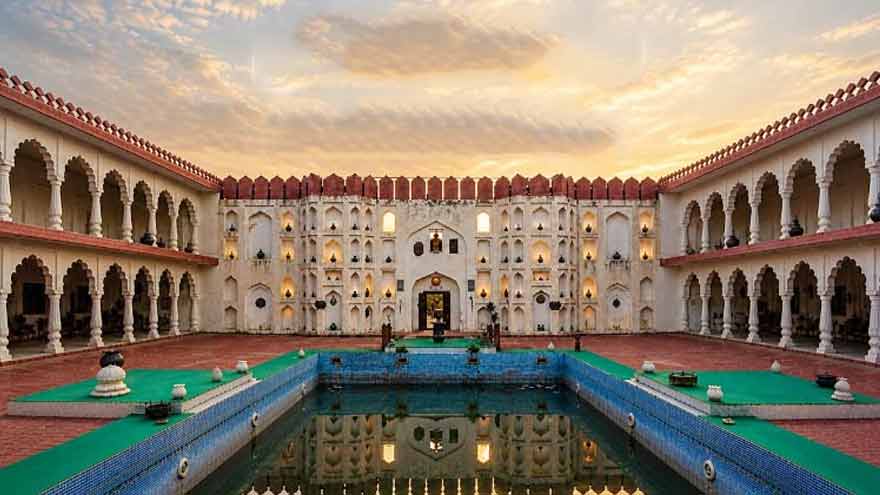
Islamabad resident Zahid Butt built Sobia Palace in memory of his wife, blending Mughal and Rajput architecture with traditional craftsmanship and a lasting story of love.
Aleema Khan, Noreen Niazi and Dr Uzma Khan have remained in custody for nearly three weeks under the MPO Ordinance
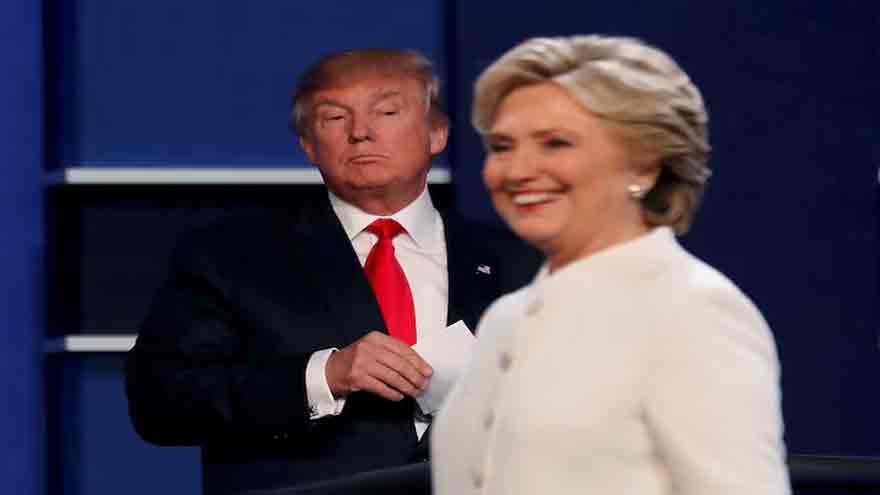
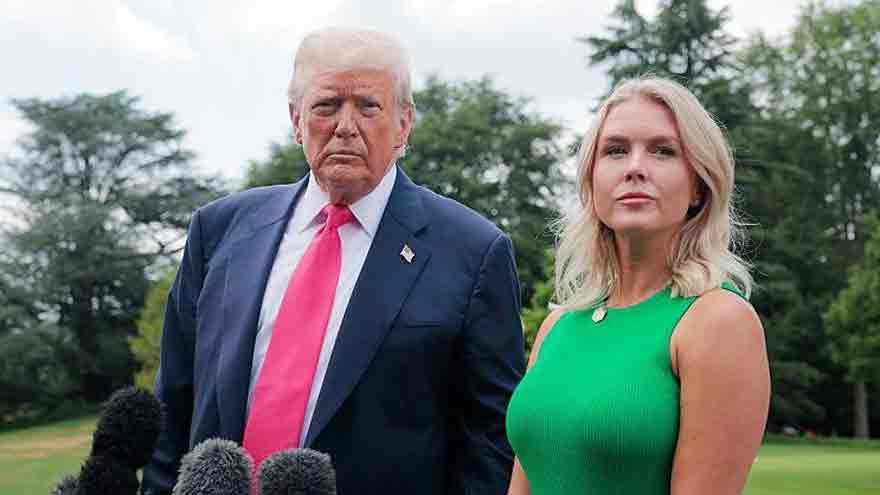
Donald Trump appeals to the US Supreme Court to revive his dismissed lawsuit against Hillary Clinton over alleged 2016 election interference and Russia claims.
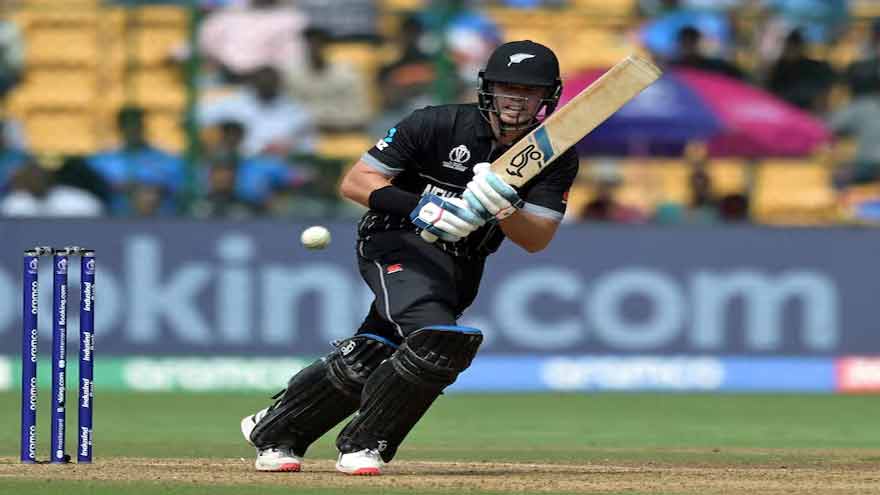
New Zealand rule Mark Chapman and Zak Foulkes out of the T20 series against India due to injuries, with Josh Clarkson and Blair Tickner named as replacements.
In the international market, gold prices rose by $59 to reach $4,184 per ounce
Quraishi revisited his earlier remarks opposing the notion that a married daughter should return to her parents home only after her death
SpaceX acquires nationwide low-band spectrum to expand Starlink Mobile satellite connectivity, challenging major US wireless carriers with improved coverage and connectivity.
The two were allegedly shot by their opponents during a confrontation over the canal water dispute. The suspects fled the scene after the incident
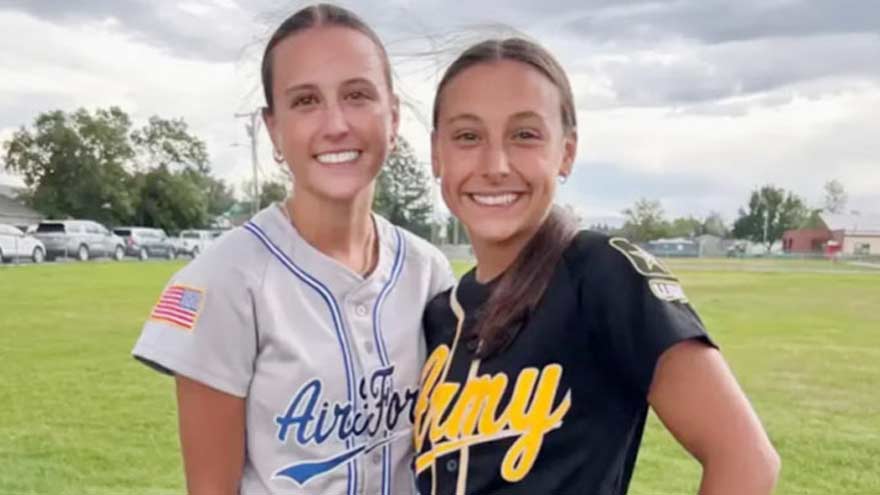
Samantha Rainsold, 19, was playing in a softball tournament in Montana when one of her teammates noticed an opposing player who looked remarkably like her