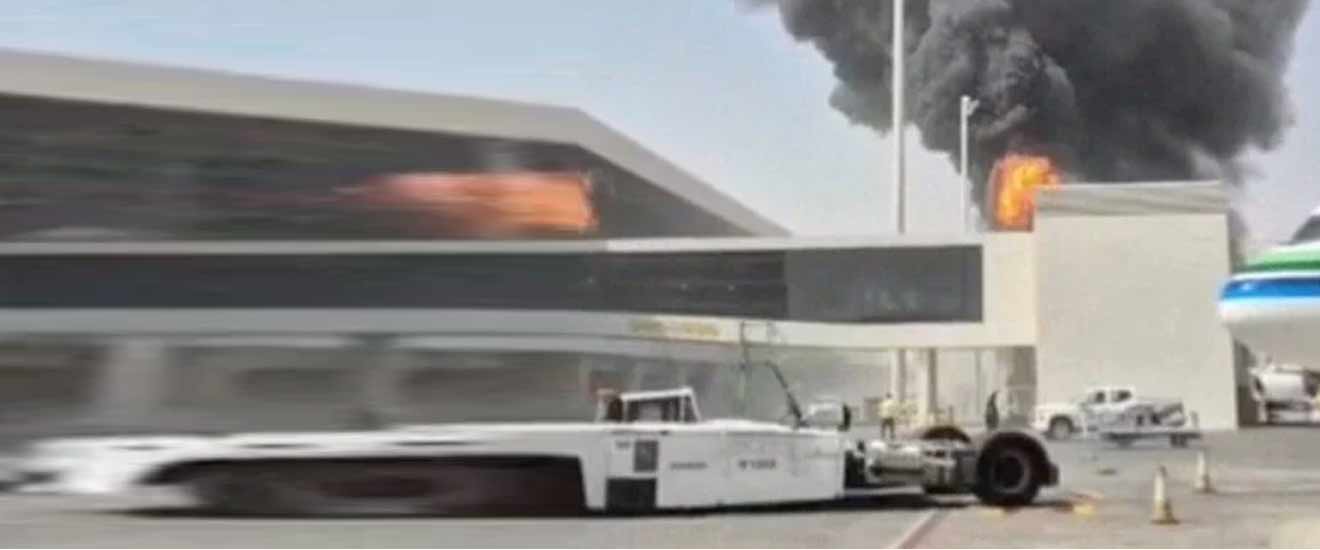
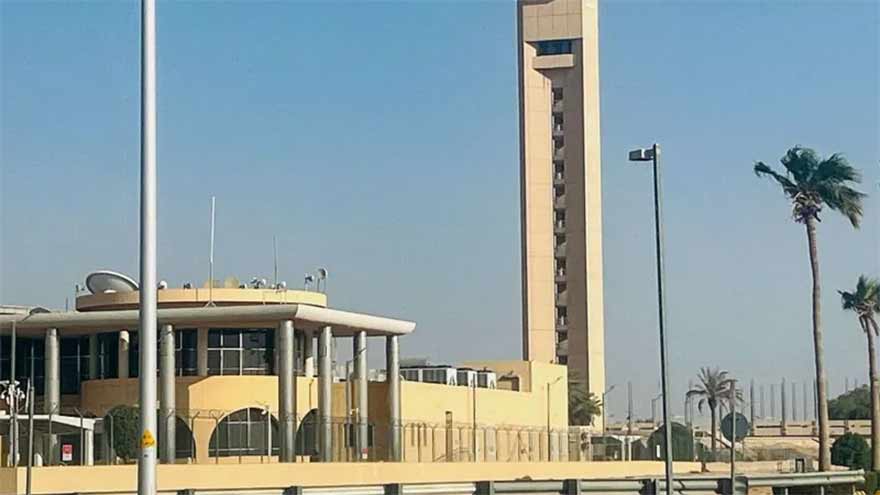
Operations at King Khalid International Airport in Riyadh were suspended after the attack, the Saudi Civil Aviation Authority said in a statement.
Federal cabinet meeting has been called on Sunday (today) to review the available constitutional options concerning the province
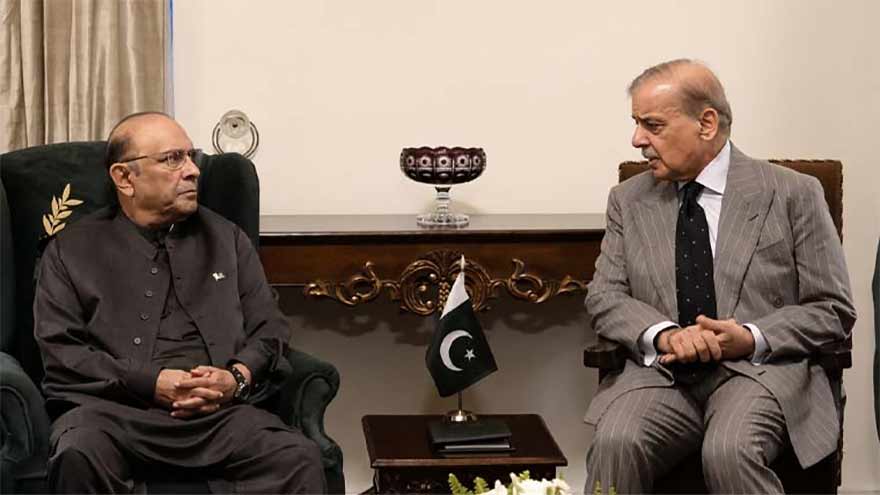
ISLAMABAD Dunya News President Asif Ali Zardari and Prime Minister Shehbaz Sharif have reached an understanding to impose governor s rule or emerge...
The convoy will pass through different areas of Charsadda before proceeding to Mardan
The aircraft are expected to join PIA in November and operate long-haul flights between Pakistan and the United Kingdom
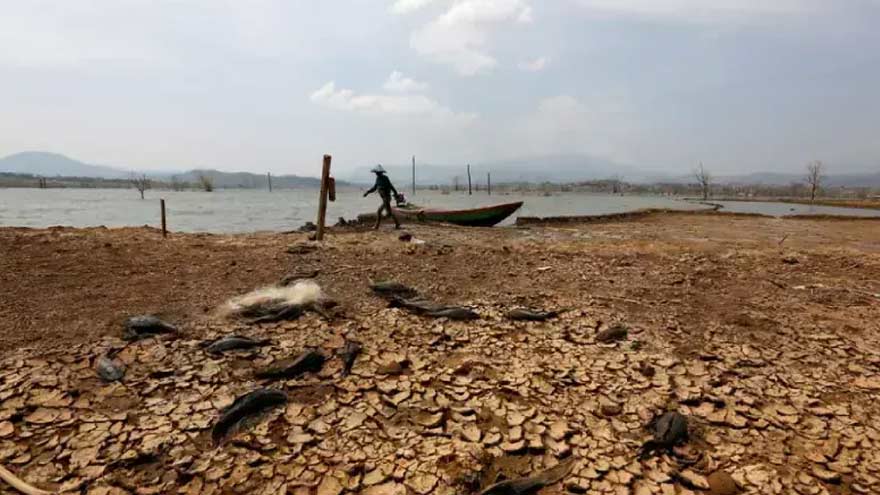
It typically takes place every two to seven years and lasts around nine to 12 months
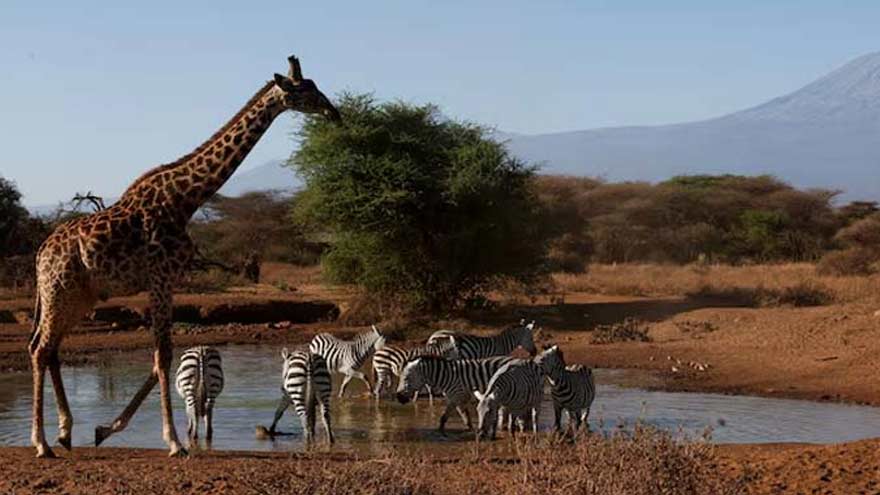
The 2026 Living Planet Report estimates that overall populations fell by an average of around 2.5% per year over the period
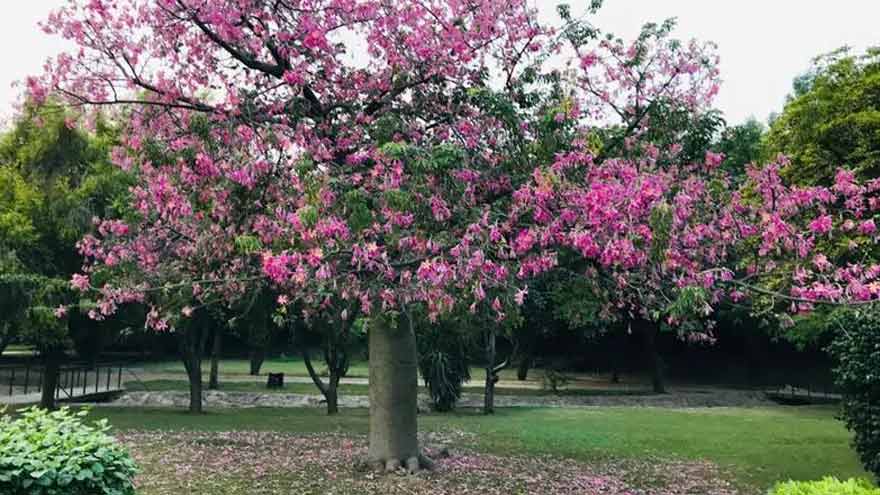
Lahores Bagh-e-Jinnah now features a Bodhi tree avenue that highlights the trees sacred role in Buddhism and its historical links to Bodh Gaya, Sri Lanka and Taxila.
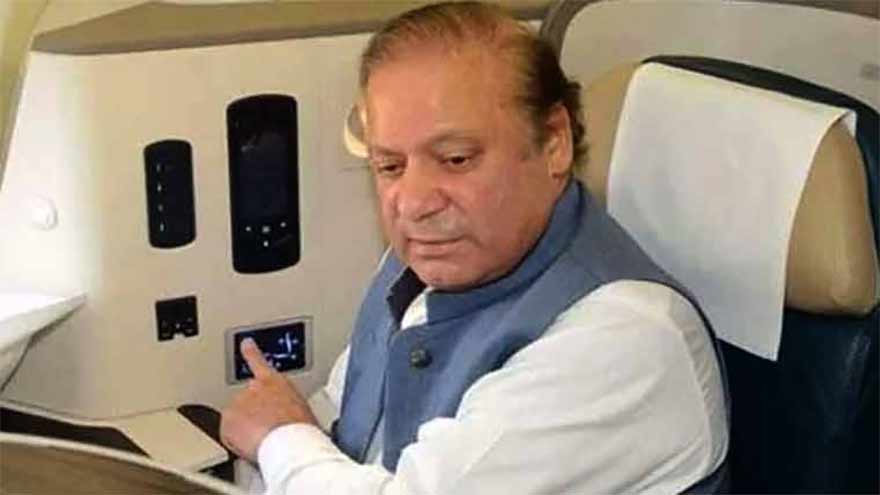
The former PM is expected to stay at his residence, Avenfield House, and undergo a medical examination
Donald Trump appeals to the US Supreme Court to revive his dismissed lawsuit against Hillary Clinton over alleged 2016 election interference and Russia claims.
Chelsea manager Xabi Alonso says Cole Palmer remains committed to England but needs full fitness after a recurring groin injury forced him to withdraw from international duty.
Finance Minister Muhammad Aurangzeb urges measures to boost Pakistans poultry exports, highlighting the sectors production capacity, limited exports and need to curb sales tax evasion.
Salman Khan has launched his official YouTube channel, attracting over 32,000 subscribers in 11 hours. The channel features 10 Shorts, with future content yet to be revealed.
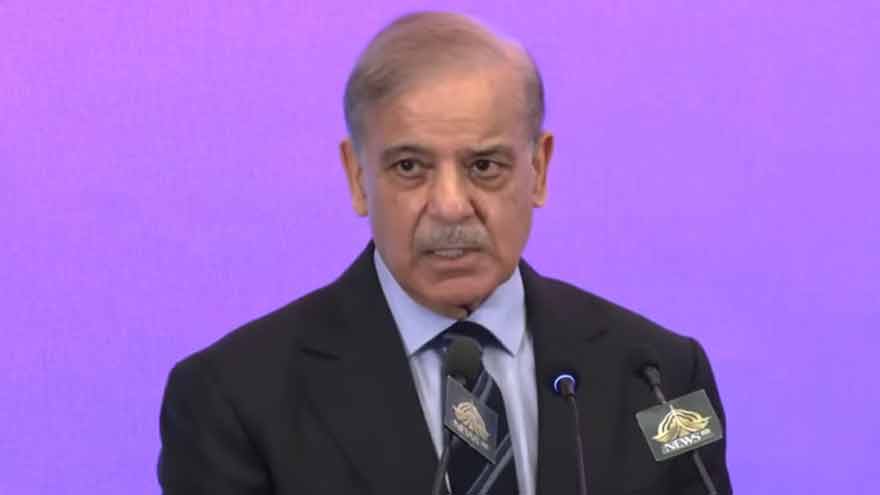
PM Shehbaz Sharif inaugurates the National Technology Park, highlighting its role in advancing IT, AI, youth skills and economic growth, with a focus on empowering women.
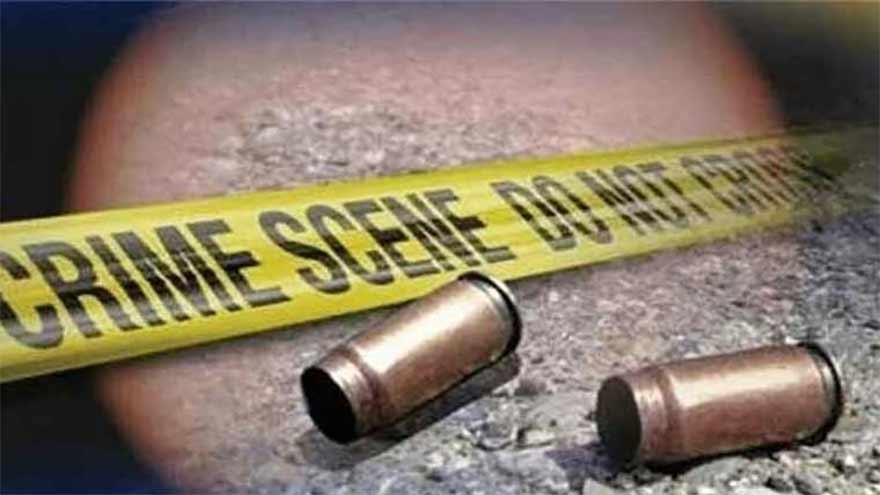
The two were allegedly shot by their opponents during a confrontation over the canal water dispute. The suspects fled the scene after the incident
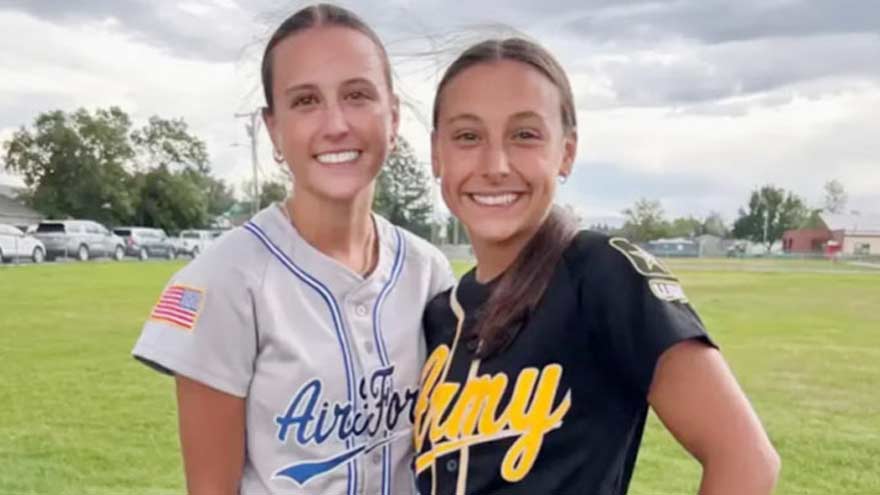
Samantha Rainsold, 19, was playing in a softball tournament in Montana when one of her teammates noticed an opposing player who looked remarkably like her