Summary WHO has urged authorities to prioritise access to essential health services
ISLAMABAD (Web Desk) - The World Health Organization (WHO) on Monday warned that flood-hit Punjab has been witnessing an increase in vector-borne diseases even though provincial authorities have not yet reported any major outbreak.
Punjab has been facing a flood-emergency, fueled by above-normal rains and India’s release of excess water, which has affected more than 2.4 million people and killed 41 people in the last 10 days, according to the provincial disaster management authority (PDMA).
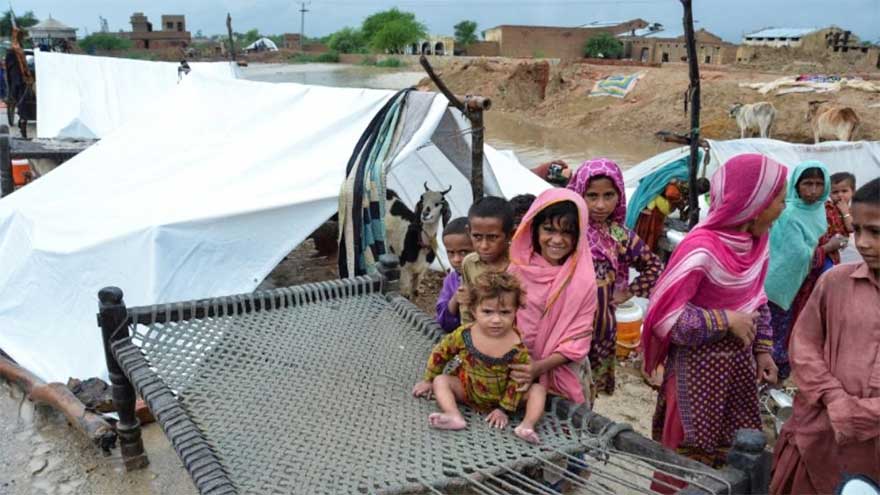
Authorities have relocated more than 900,000 people to relief camps, where the WHO says unsafe drinking water and mosquitoes pose the main epidemic risks, making displaced people vulnerable to diarrhea, typhoid, malaria, dengue and skin infections.
“Although no major outbreak has been reported so far, an upsurge has been detected for vector-borne diseases such as malaria and dengue, water-borne diseases like acute watery diarrhea, and skin diseases like scabies and eye infections,” Dr. Jose Ignacio Martin Galan, head of communications at the WHO Pakistan Country Office, told the media.
To reduce these risks, WHO has urged authorities to prioritize access to essential health services, medicines, diagnostic kits and psychosocial support, along with shelters, food, safe drinking water and sanitation facilities.
“Equally important are water, sanitation and hygiene interventions to reduce outbreak risks and the protection of vulnerable groups in relief camps,” Dr. Galan said.