Summary Pakistan’s fuel reserves have exceeded four weeks with stable supplies ensured, as improved logistics and regional cooperation support availability
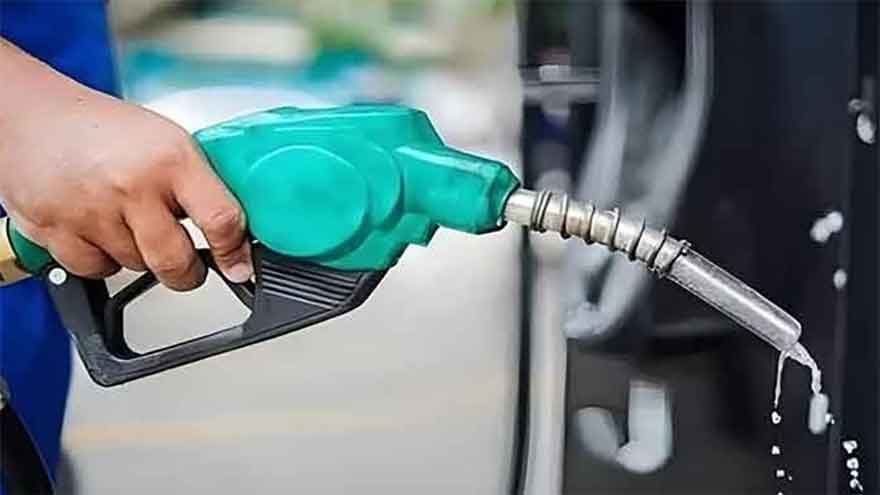
LAHORE (Dunya News) - Pakistan’s fuel reserves have risen to more than four weeks, with supplies for March and April fully secured, according to Khurram Schehzad, Adviser to the Finance Minister, who described the situation as stable and gradually improving.
Speaking on Geo News programme “Geo Pakistan”, Schehzad said fuel stocks had steadily increased from 24 days to 28 days and have now crossed the four-week mark. He added that continuous crude oil inflows and refining activities were further strengthening reserves.
His remarks followed a recent announcement by Deputy Prime Minister and Foreign Minister Ishaq Dar that Iran has agreed to facilitate additional Pakistani vessels through the Strait of Hormuz. Under this arrangement, 20 more Pakistani ships will be allowed safe passage, with two vessels crossing daily.
The Strait of Hormuz has remained under pressure due to ongoing regional tensions, with reports indicating multiple attacks on commercial vessels and thousands of ships stranded in surrounding waters. However, Pakistan-bound shipments have continued following Iranian assurances of safe passage.
Schehzad noted that improved logistics and priority facilitation for Pakistani shipments were helping maintain and expand fuel supplies. He reassured the public that shortages were unlikely, stating that reserves were not only intact but increasing.
To manage price pressures, the government initially raised petrol and diesel prices but later froze them, allocating around Rs69 billion to absorb further increases. Officials emphasised that the financial burden is being managed through expenditure cuts and austerity measures rather than direct subsidies.
These measures include reductions in development spending, a 20 per cent cut in non-essential government expenditures, lower fuel consumption by public departments, and partial salary contributions from officials. Work-from-home policies have also contributed to easing demand.
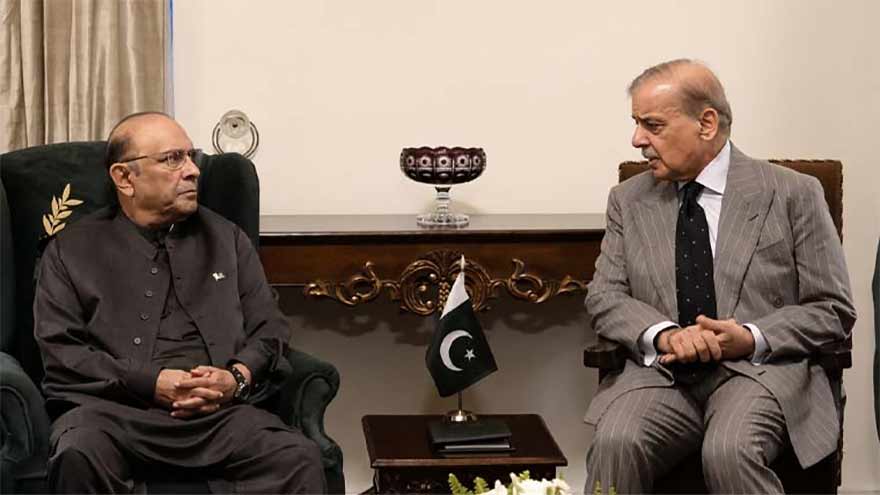
Separately, Prime Minister Shehbaz Sharif chaired a high-level meeting in Islamabad to review the impact of the Gulf crisis on petroleum supplies and assess relief measures for the public.
During the meeting, the prime minister reaffirmed the government’s commitment to supporting low- and middle-income groups, stating that vulnerable segments would not be left alone during the crisis. He highlighted steps such as cutting government spending, reducing development allocations, and withdrawing 60 per cent of official vehicles.
The meeting was also informed that coordination with provincial governments is being strengthened to facilitate targeted relief, particularly for motorcycle and rickshaw owners through digital systems.
Officials reported that sufficient fuel and medicine stocks are available, while implementation of austerity measures is ongoing. The government also reiterated its commitment to diplomatic efforts aimed at promoting peace and stability in the region.