Summary About 30 minutes into trade, the Dow Jones Industrial Average was at 18,191.21, down 17.98 points
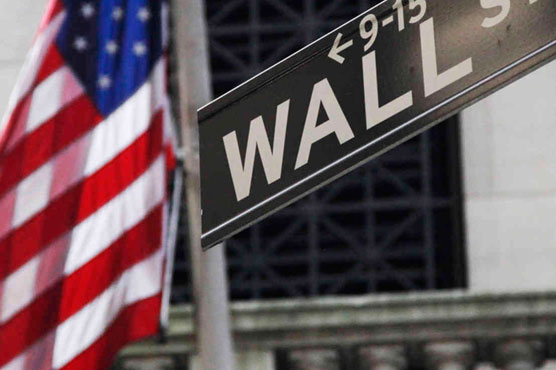
NEW YORK (AFP) - Wall Street stocks dipped from record highs in early trade Wednesday following mixed earnings reports.
About 30 minutes into trade, the Dow Jones Industrial Average was at 18,191.21, down 17.98 points (0.10 percent).
The broad-based S&P 500 dipped 2.66 (0.13 percent) to 2,112.82, while the tech-rich Nasdaq Composite Index lost 2.23 (0.04 percent) at 4,965.89..
Home-improvement retailer Lowe s slipped 0.6 percent after reporting a 47 percent jump in fourth-quarter earnings following a 7.3 percent rise in comparable sales.
Technology giant Hewlett-Packard sank 8.9 percent as first-quarter earnings dropped 4.1 percent. The company warned that the impact of the strong dollar on earnings this year would be "significantly greater than we expected in November."
Traders are eyeing a second day of congressional testimony by Federal Reserve Chair Janet Yellen. Yellen s remarks Tuesday were seen as dovish on monetary policy, helping to push the Dow and the S&P 500 to record closes.
Retail giant Target, which sells clothing and a broad slate of goods, added 0.1 percent after reporting a $2.6 billion loss in the fourth quarter due to a $5.1 billion charge to wind down its Canadian operations. Comparable sales increased 3.8 percent.
TJX, which owns TJ Maxx and other discount retail chains, added 1.6 percent as it reported an 11.3 percent rise in fourth-quarter earnings to $648 million. The company also said it would raise wages at its US stores to at least $9 an hour following a similar announcement last week by Wal-Mart Stores.
Chesapeake Energy tumbled 10.3 percent as fourth-quarter earnings translated into 11 cents per share, below the 24 cents projected by analysts. The company announced a 26 percent cut in its 2015 capital budget compared to the 2014 level.
Bond prices were unchanged from Tuesday. The yield on the 10-year US Treasury held steady at 1.98 percent, while the 30-year was flat at 2.59 percent. Bond prices and yields move inversely.